
Botanical characteristics of seeds and harmfulness of water pepper (Persicaria hydropiper)
1 min read
Family: POLYGONACEAE
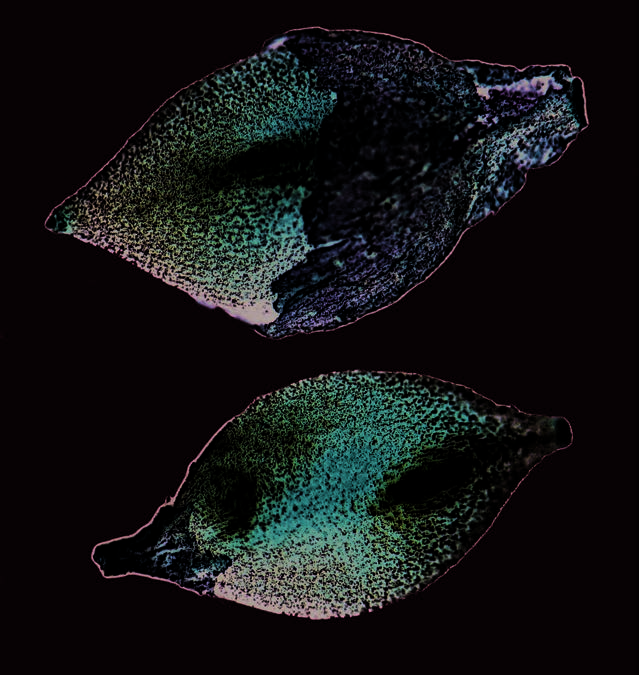
Polygonaceae contaminate crop produce with single-seeded nutlets or nutlets within perianths. Nutlets in perianths are ovate-elongated, slightly compressed. Perianth segments fully enclose the nutlets and are easily rubbed off. Color is brownish-green or brown. Length 2.5–3.5 mm, width 2–3 mm, thickness 1–2 mm. Nutlets are ovate-oval, weakly trihedral, slightly compressed, pointed at the top, and rounded-widened at the base; flat nutlets are also encountered. The fruit hilum is usually covered by perianth remnants. The surface is fine-grained, matte or glossy. Color is dark brown or brown. Length 2.25–3 mm, width 1.75–2.25 mm, thickness 0.75–1.75 mm. Infests winter and spring cereals, primarily in low-lying areas. Distribution: European part of the Russian Federation (almost universally), Caucasus, Western and Eastern Siberia, Central Asia, Far East. Toxic properties: Fruits of water-pepper have a pungent, peppery taste; when mixed into flour, they impart a bitter flavor.
Read next
Seeds and varieties For agronomists
Morphological characteristics of seeds and geographical distribution of white sweetclover
Seeds and varieties For agronomists
Morphological characteristics of the fruits and seeds of common lambsquarters
Seeds and varieties For agronomists