
Characteristics and toxic properties of white bryony Bryonia alba
2 min read
Family: RUBIACEAE
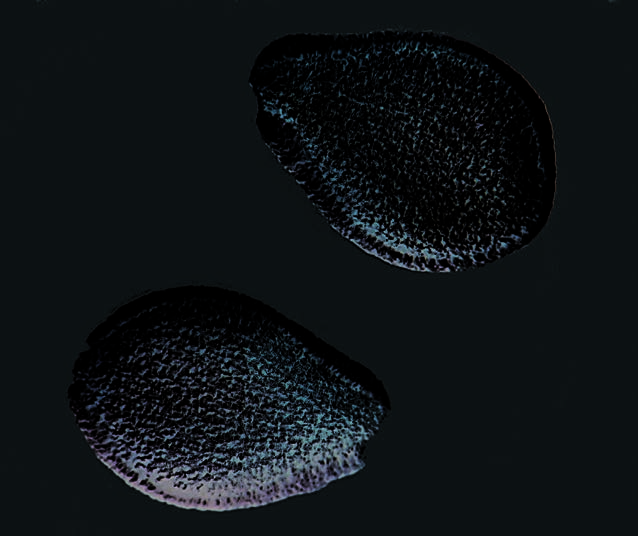
CUCURBITACEAE FAMILY Cucurbitaceae can contaminate crop produce with fruits, berries, and seeds. The fruit is a spherical, few-seeded berry with a thin outer skin, black, 78 mm in diameter. Seeds are obovate, flattened, greyish-brown or black, equipped with a narrow circular rim; the surface is rough. Length 5.65.9 mm, width 34 mm, thickness 2 mm. Distribution. Caucasus, Central Asia, southern and western parts of the European territory of the Russian Federation (introduced and feral). It is quite widely cultivated in gardens in the temperate zone. Toxic properties: All parts of the plant (especially the roots) and the fruits are poisonous. It contains triterpenoids, bryonolic acid, cucurbitacins, as well as saponins and alkaloids. Cucurbitacins, which have a bitter and unpleasant taste, have an irritating effect on mucous membranes and possess a laxative effect. In experiments, some cucurbitacins suppress anti-tumor activity. They act as repellents for most insects. Poisoning occurs upon ingestion of berries (usually by children) and is characterized by nausea, vomiting, abdominal pain, bloody diarrhea, and the presence of blood in urine. In severe cases — seizures, symptoms of damage to the central nervous system. In livestock animals, poisoning is possible when grazing in gardens and parks. Other species. W. dioica — a very similar but dioecious plant with red fruits; it is distributed and cultivated in more southern regions; the effect is similar.
On the seacoast of Crimea and the Caucasus (and in some areas of Turkmenistan), the cucurbitaceous weed squirting cucumber grows cucumber; the fruits "explode" upon touch, scattering seeds); the chemical composition and mechanism of toxic action are similar.
Read next
Seeds and varieties For agronomists
Lobelia inflata: morphological characteristics and toxic properties of the plant
Seeds and varieties For agronomists
Botanical characteristics of seed and safety measures when handling belladonna
Seeds and varieties For agronomists