
Biological characteristics and toxic properties of Digitalis ciliata seed
2 min read
Digitalis ciliata is a wild plant that infests grasslands in the Caucasus. In practical agronomy, it is important to recognize the fruits and seed of this crop in a timely manner to prevent them from entering feed for livestock animals. Systematically, the plant is classified into the Solanaceae and Scrophulariaceae Juss. families.
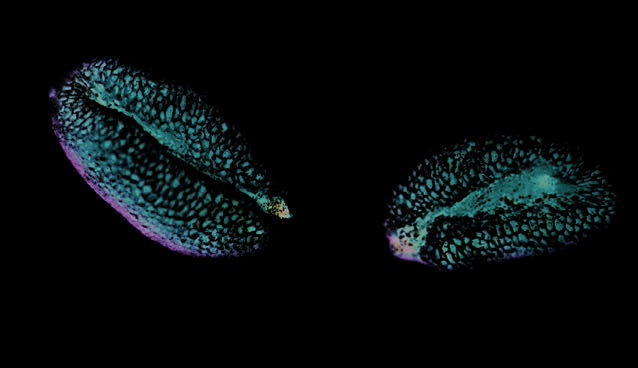
Morphological characteristics and nature of Digitalis toxicity
The fruits of the plant are ovoid glabrous capsules. In length, they are almost equal to the calyx or slightly exceed it. The cylindrical seed have a light brown or yellow color; they are convex on the back and equipped with a deep furrow on the ventral side. The surface of the seed is finely reticulate, and the hilum is black in color.
- Capsule length — 57 mm
- Seed length — 11,2 mm
- Seed width — about 0,6 mm
All parts of the plant are extremely poisonous. Digitalis contains a large complex of cardiac glycosides of a cardenolide nature, as well as flavonoids (including luteolin) and steroid saponins (including digitonin). Active ingredients, in particular digitoxin, increase the systolic contraction of the heart and simultaneously slow down its rhythm. This occurs due to the lengthening of the diastole, an increase in the tone of the vagus nerve, and a decrease in the excitability of the myocardial conduction system.
The toxic mechanism is associated with the inhibition of the myocardial sodium-potassium pump. Heart cells lose intracellular potassium, which provokes the development of extrasystole. Steroid saponins additionally cause local irritation, have a hemolytic effect, and accelerate the absorption of poisonous glycosides in the gastrointestinal tract.
The cardiac glycosides of Digitalis have a cumulative effect and accumulate in the bodies of livestock animals and humans. In toxic doses, they lead to nausea, vomiting, severe bradycardia, extrasystole, ventricular flutter, and cardiac arrest.
Other common species of this genus possess similar toxic properties:
- large yellow foxglove (Digitalis grandiflora Mill.);
- foxglove (Digitalis purpurea L.);
- rusty foxglove (Digitalis ferruginea L.);
- woolly foxglove (Digitalis lanata Ehrh.).
Read next
Seeds and varieties For agronomists
Field cow-wheat as a dangerous weed of agricultural crops
Seeds and varieties For agronomists
Botanical description of seeds and toxic properties of Convallaria majalis
Seeds and varieties For agronomists