Soil structure is the foundation of agronomy, determining the water-air regime, nutrient availability, and overall plant productivity. The development of the root system and the efficiency of fertilizer application depend directly on the physical properties of the soil, its particle-size distribution, and its degree of compaction. Understanding these processes allows agronomists and land owners to choose optimal tillage methods, preventing soil degradation and ensuring stable yields in various agro-climatic conditions.
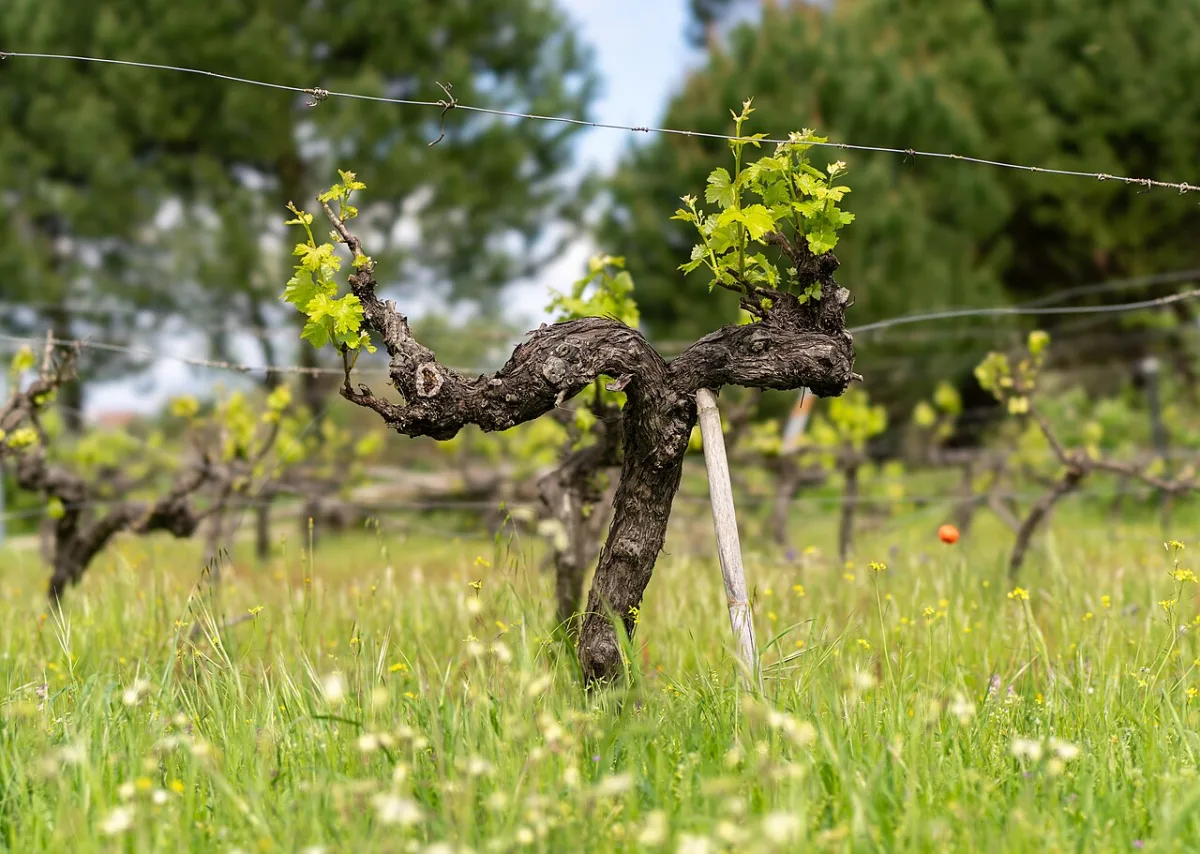
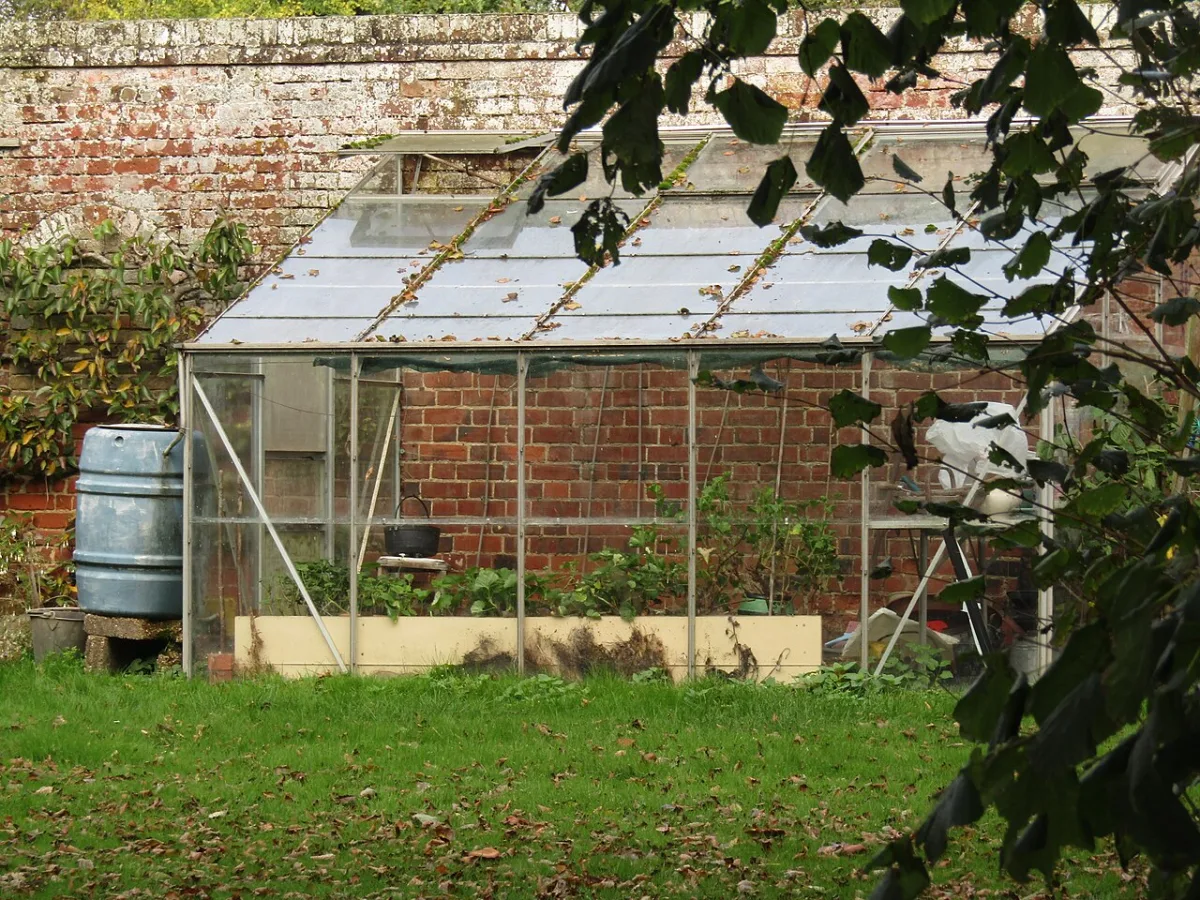
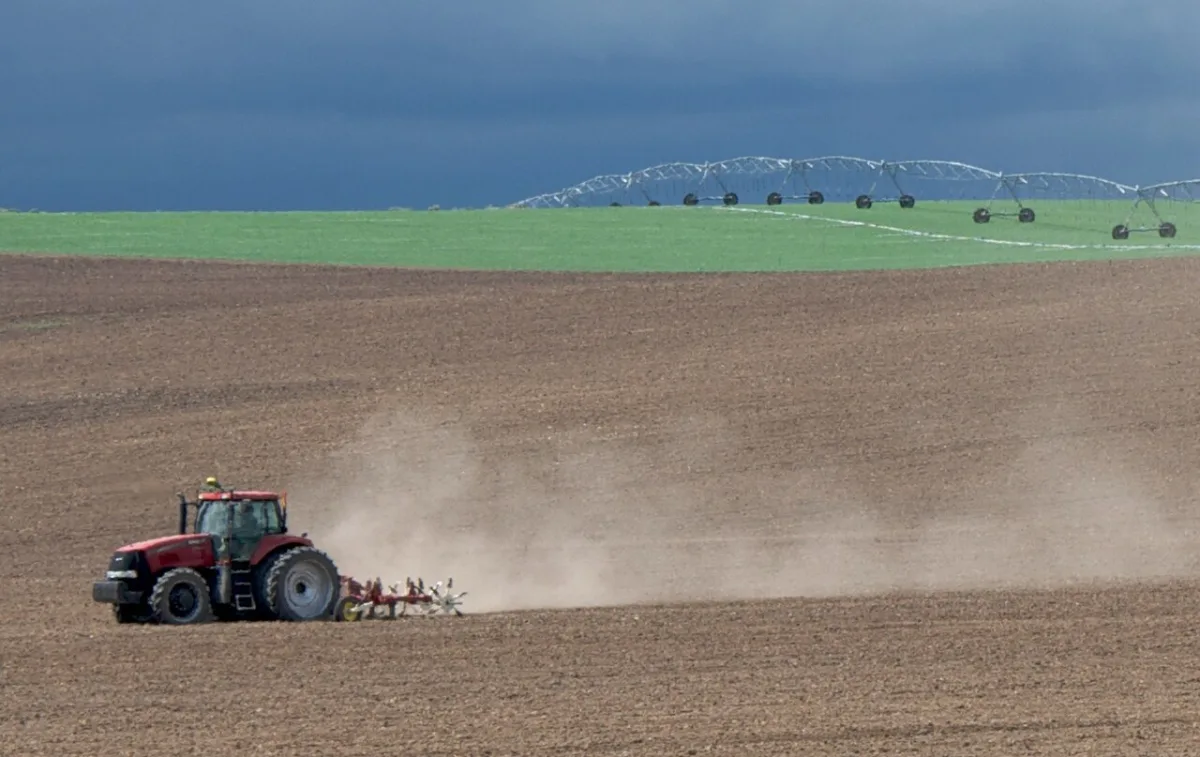
In this selection, we have gathered expert materials covering key aspects of working with the soil environment. Readers will find articles on methods for improving soil structure using amendments and humic acids, modern approaches to tillage, including deep loosening and minimum tillage technologies, as well as recommendations for optimizing crop nutrition. Furthermore, the selection provides information on soil classification and the specifics of site preparation for orchards, vineyards, and greenhouses, which will help to form a comprehensive understanding of the practices necessary to maintain high soil fertility.