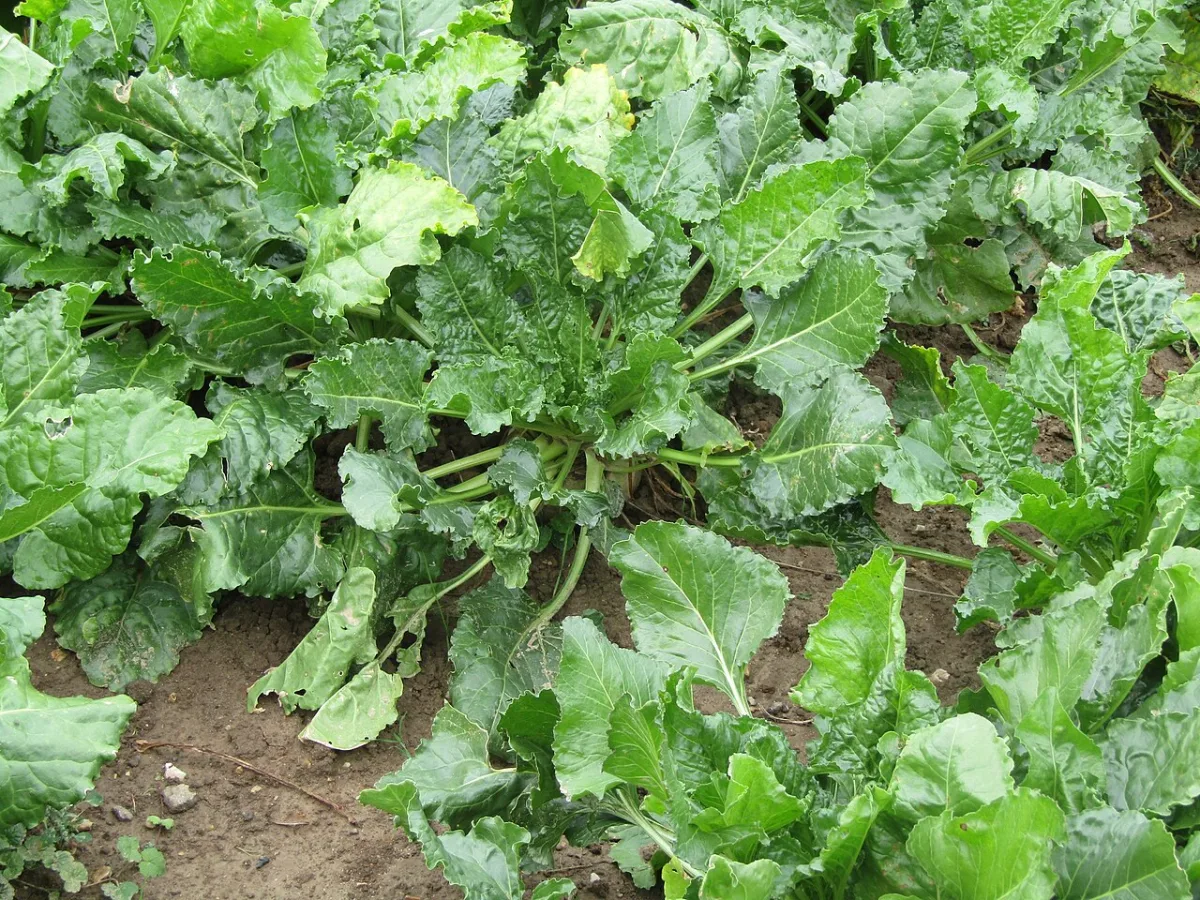
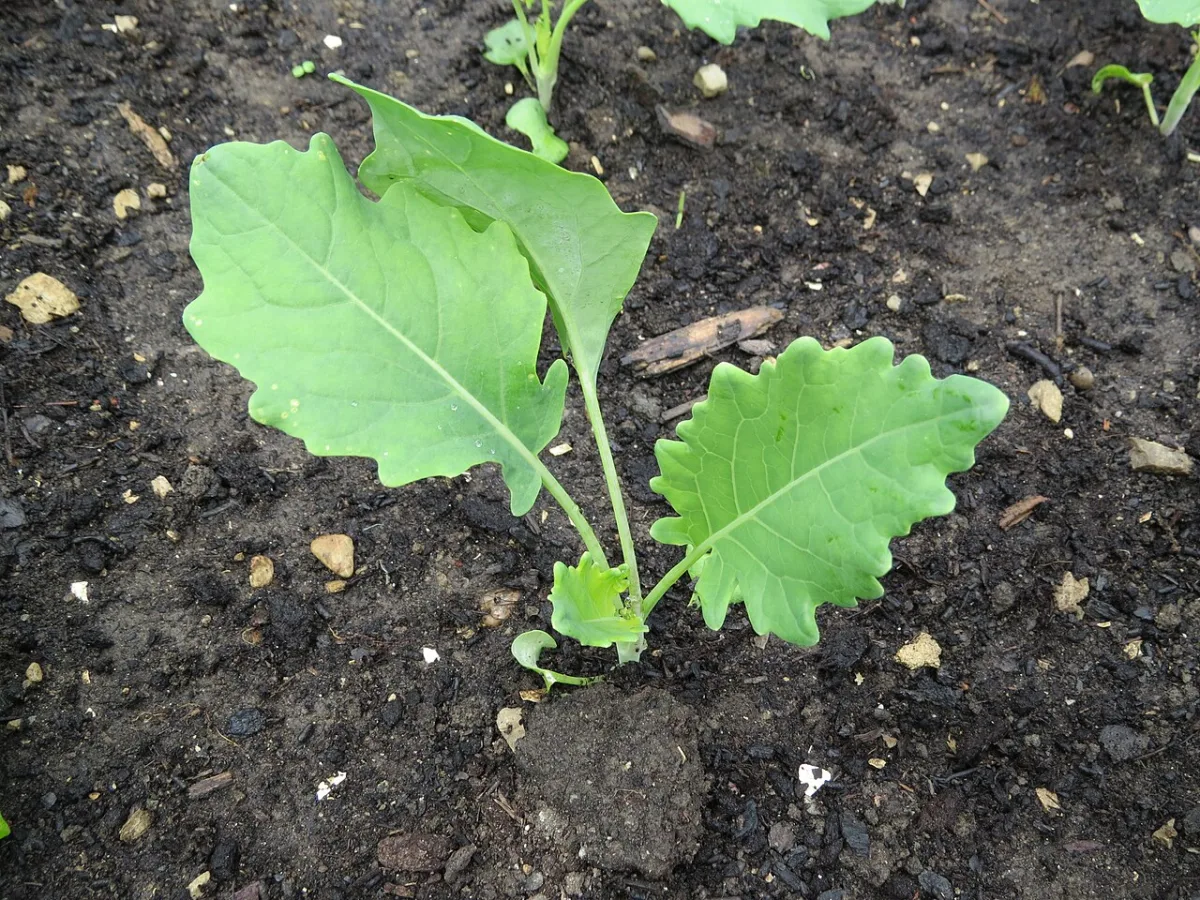
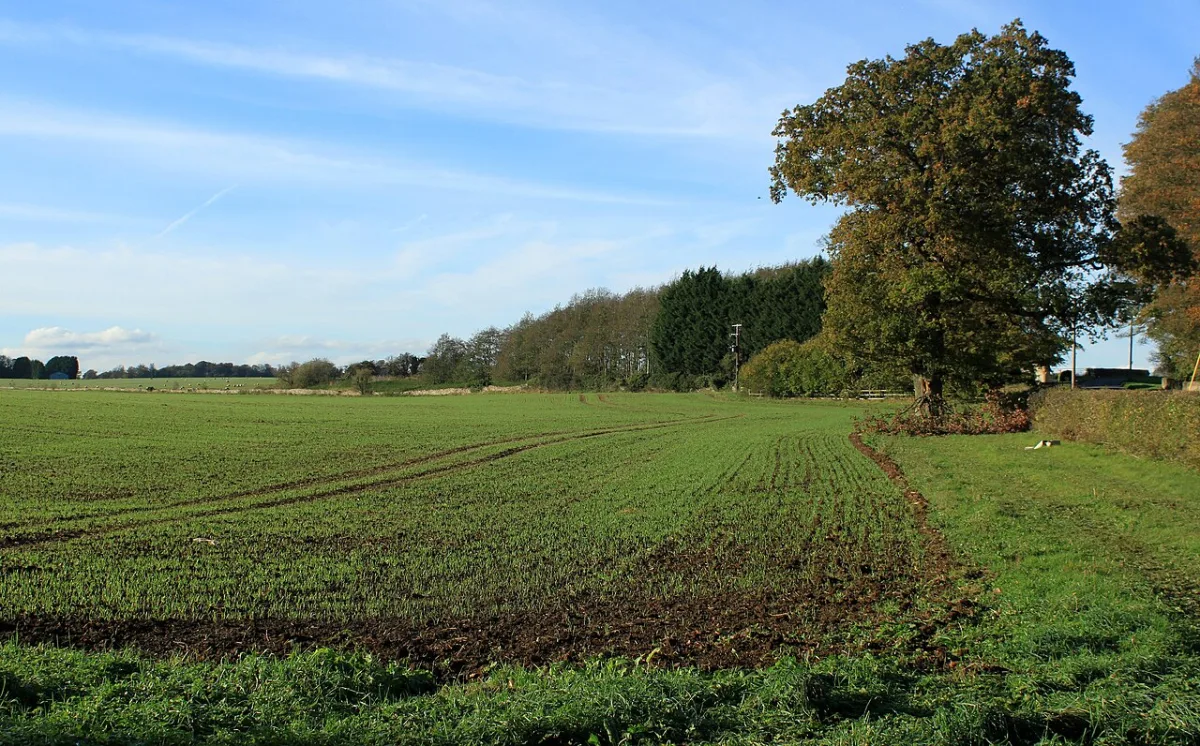
Row crops form the basis of intensive agriculture, requiring special attention to agricultural techniques at all stages of the cycle. The success of their cultivation is inextricably linked to effective soil fertility management, competent application of organic and mineral fertilizers, and timely weed control. For an agronomist, understanding the morphological features of crops, such as sugar beet, and knowing the specifics of the region's soil and climatic zones are fundamental factors that determine the yield and economic stability of an agrocenosis.
This collection brings together materials on key aspects of working with row crops. The articles examine modern systems of primary and minimum tillage, including strategies for field preparation for spring and winter precursors. The reader will find recommendations for optimizing mineral nutrition, methodologies for field agrochemical research, and principles for controlling dangerous weeds. The publications will help to systematize knowledge about technological sowing techniques and the evolution of farming systems, providing practical tools for transitioning to more efficient crop production methods.