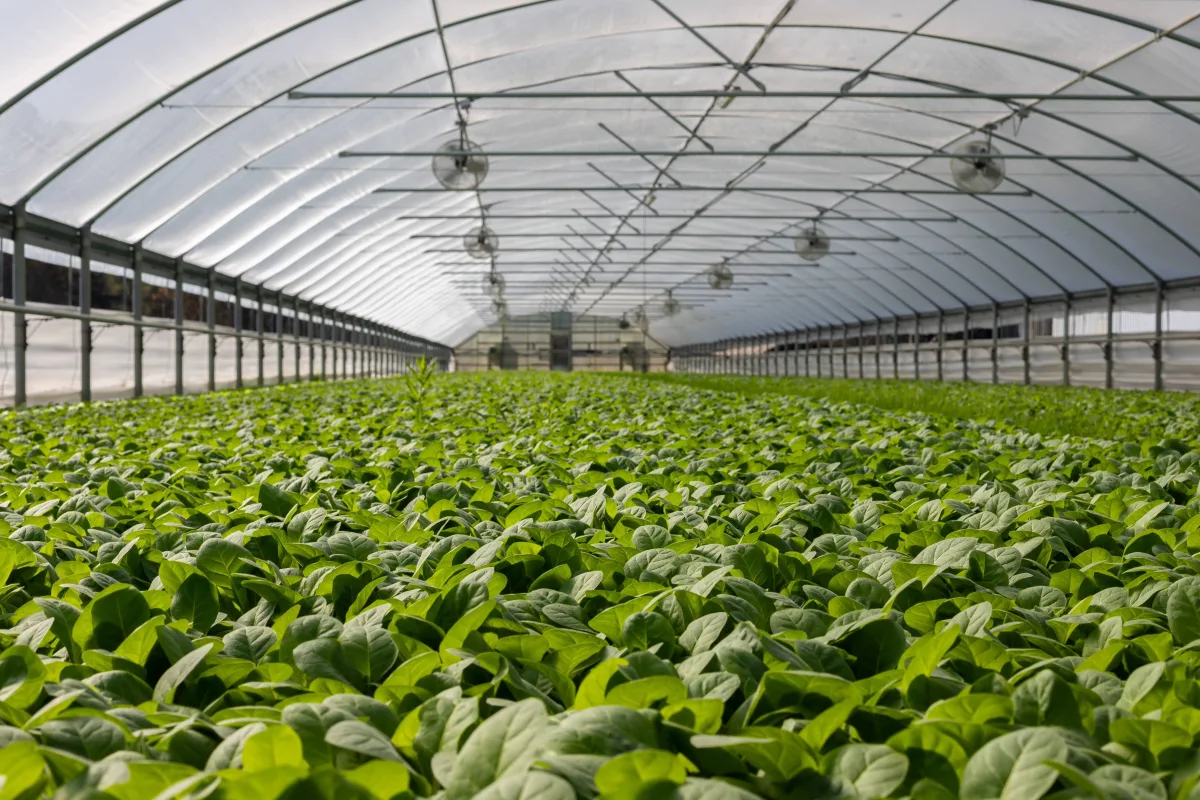
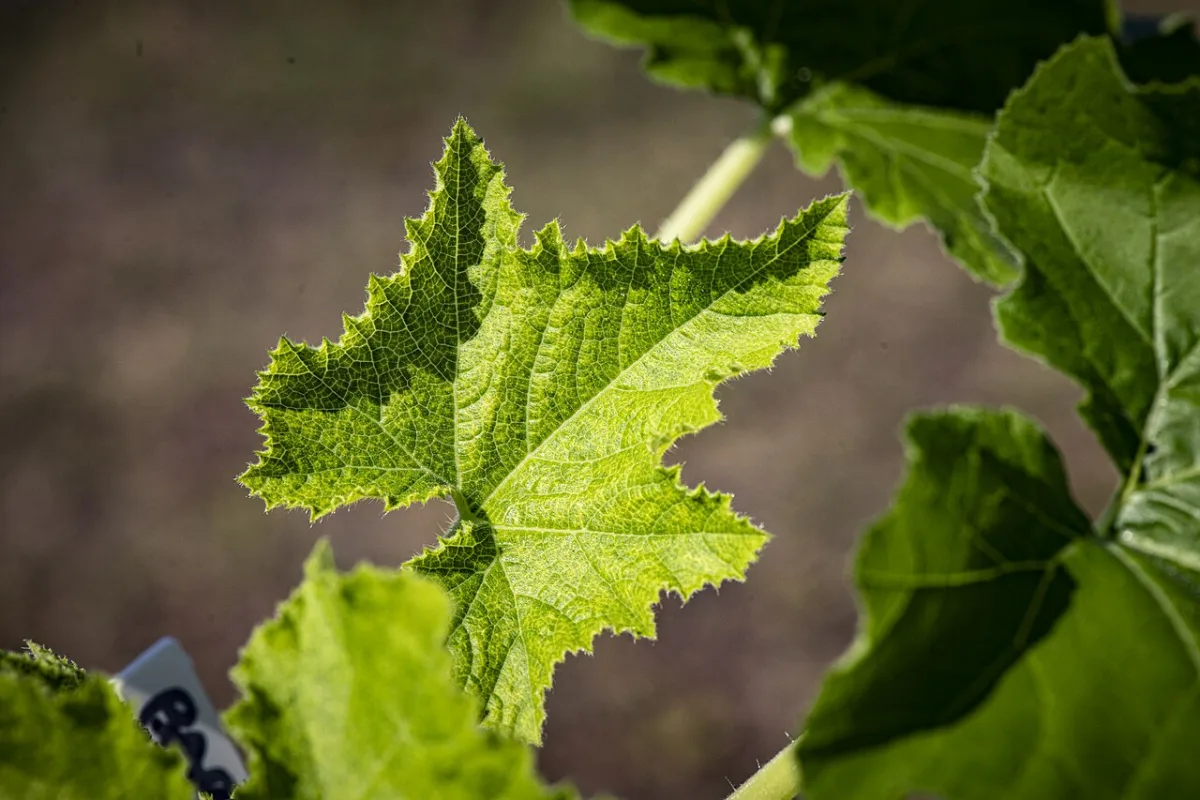
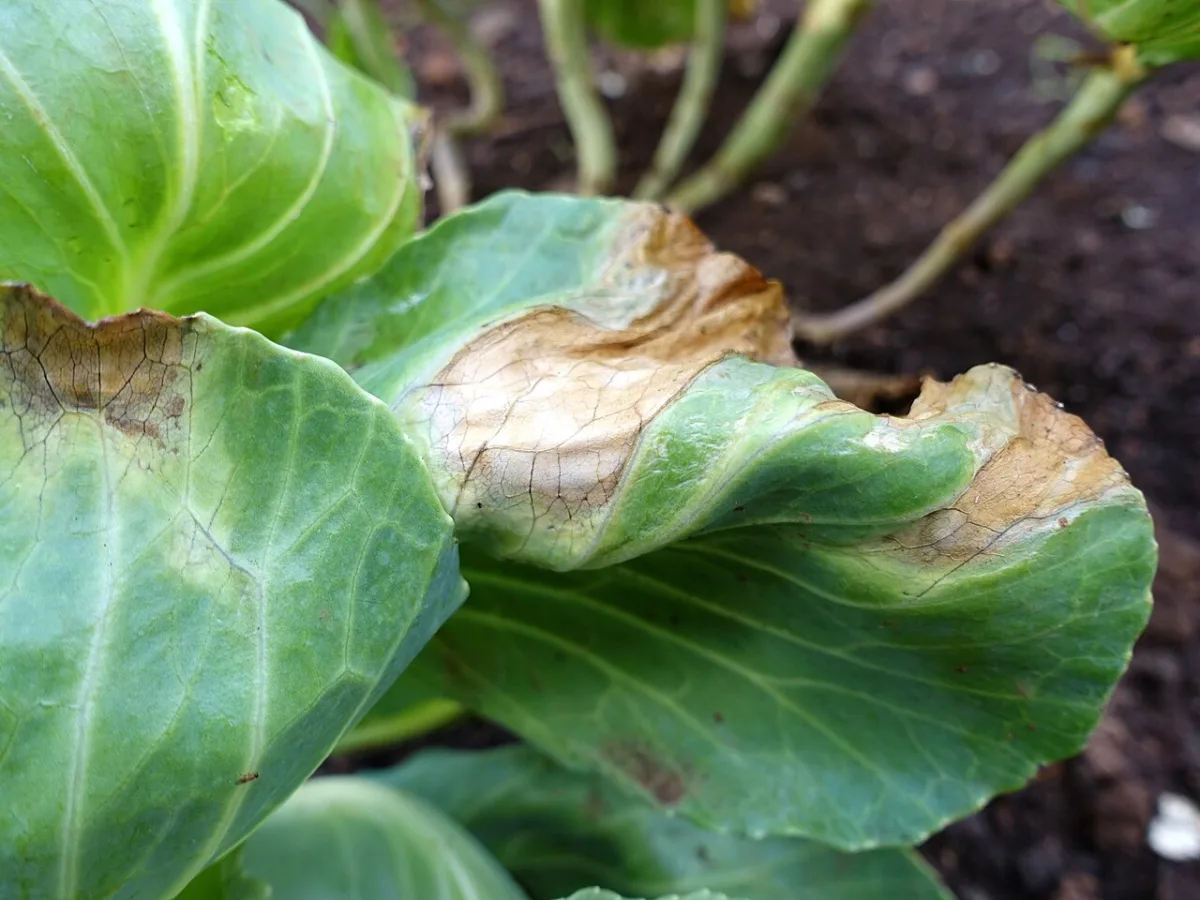
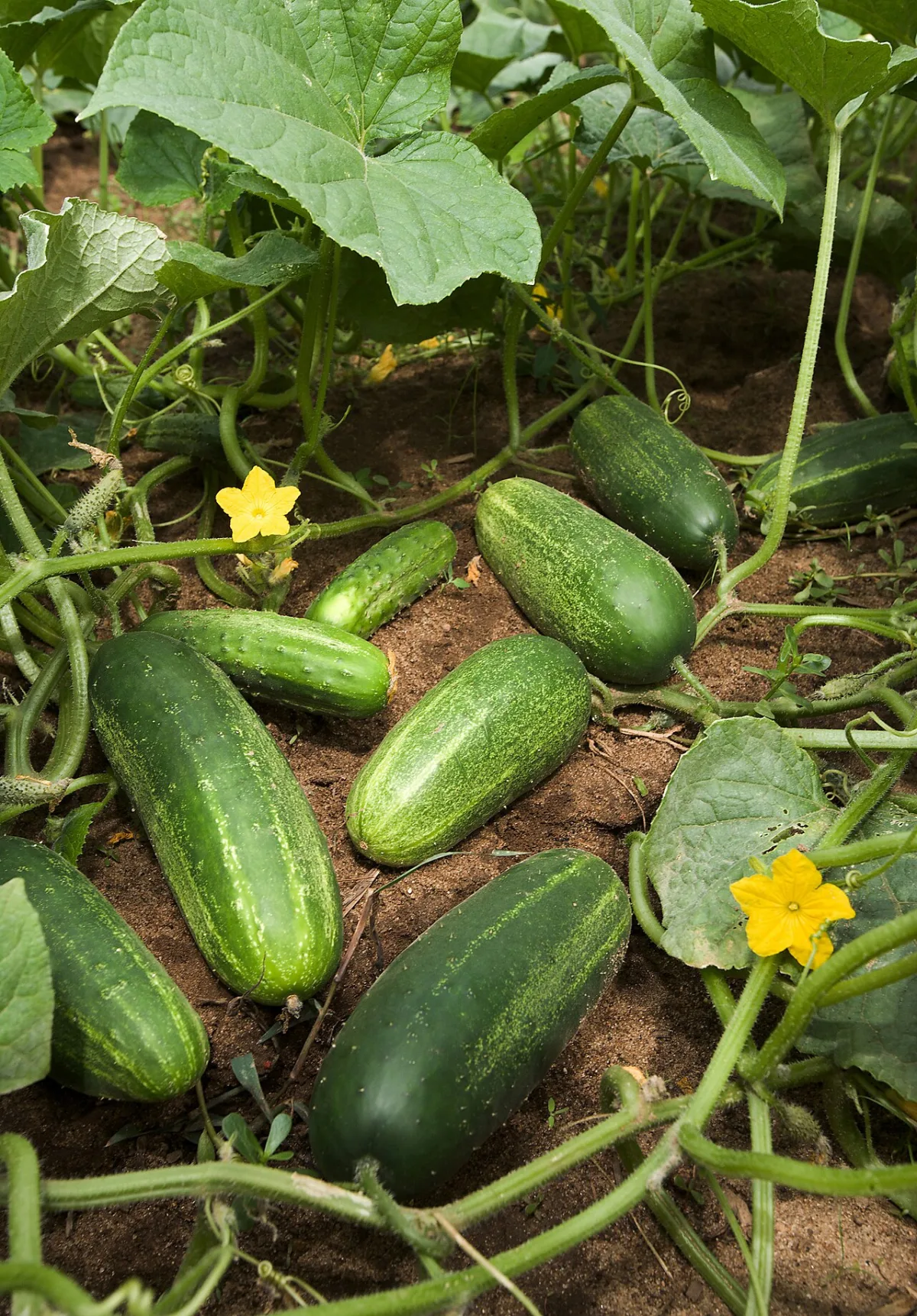
Relative air humidity is a key microclimate parameter that determines both the development intensity of pathogenic microorganisms and the physiological state of crops. For both agronomists and amateur gardeners, monitoring this indicator is a tool for yield management, allowing for the suppression of fungal and bacterial infections—such as fusarium wilt, grey mold, and didymella blight—without the excessive use of plant protection products. A stable humidity level is also critical during the storage of crop products, including vegetables and grain masses, where deviations from optimal standards trigger spoilage of stocks and a reduction in their sowing qualities.
The presented selection contains practical material on optimizing growing and storage conditions in greenhouses and warehouses. The articles cover diagnostic methods for diseases associated with microclimate disturbances, technological aspects of ensuring ventilation during the storage of onions and seeds, as well as principles of environmental regulation to prevent necrosis and plant burns. Readers will find here recommendations on identifying symptoms of damage, analyzing the causes of pathogen development, and methods for maintaining the optimal moisture balance required to preserve product quality and protect the harvest from damage at all stages of production.