Pest · 26 articles

Nematode

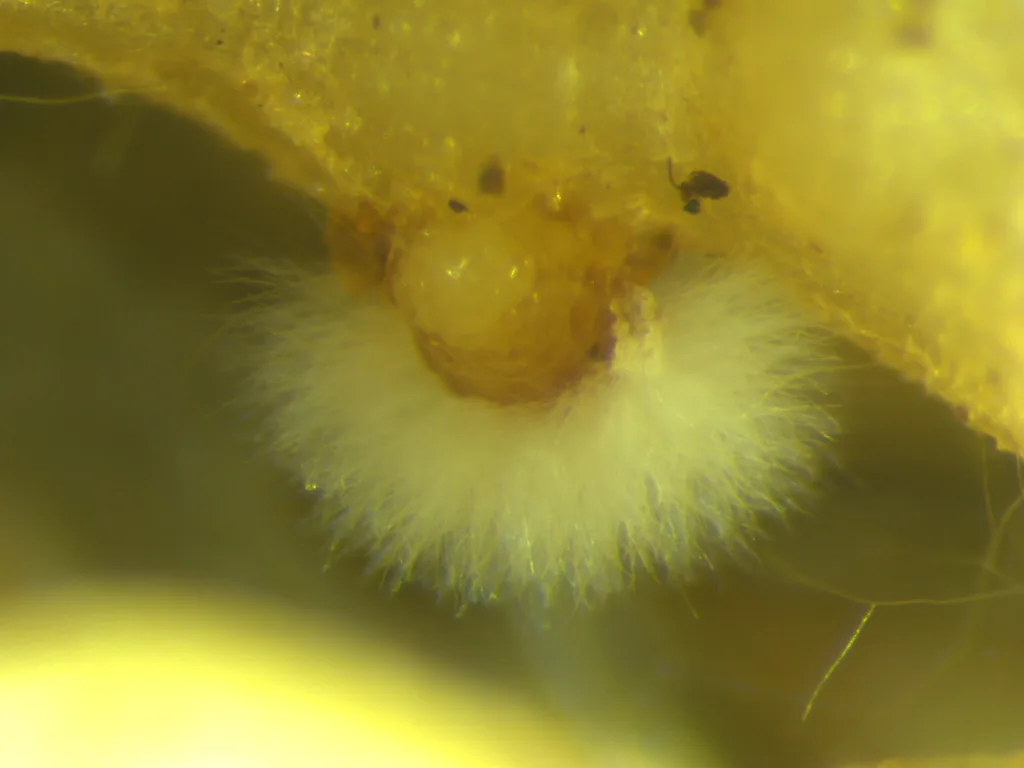
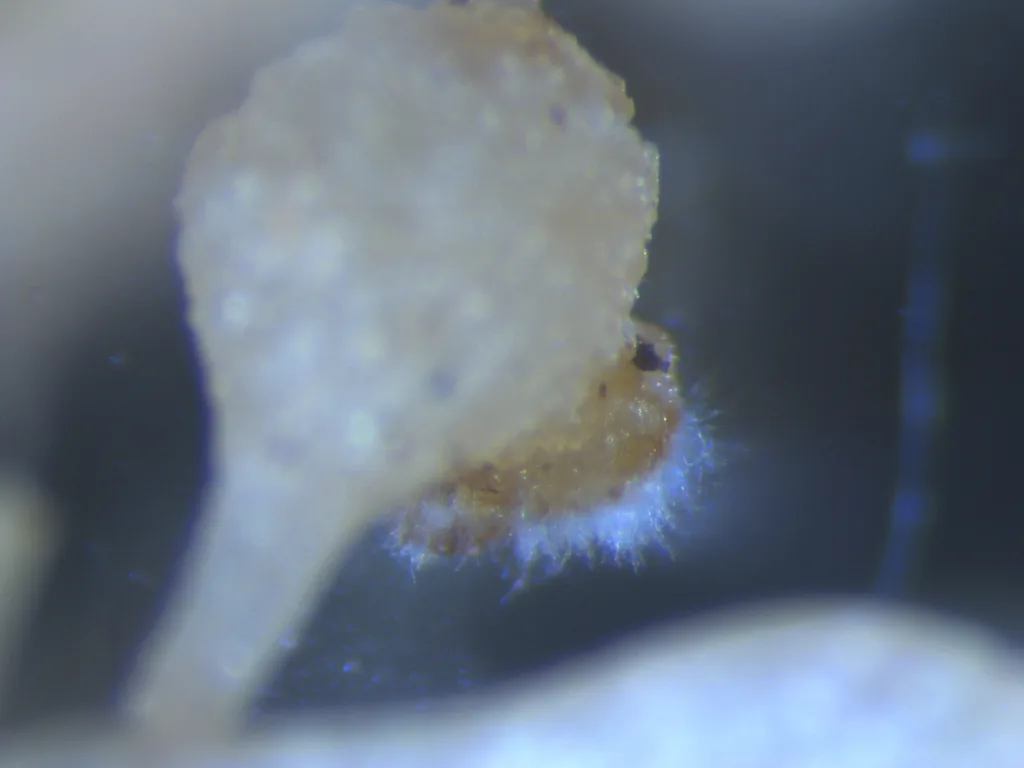
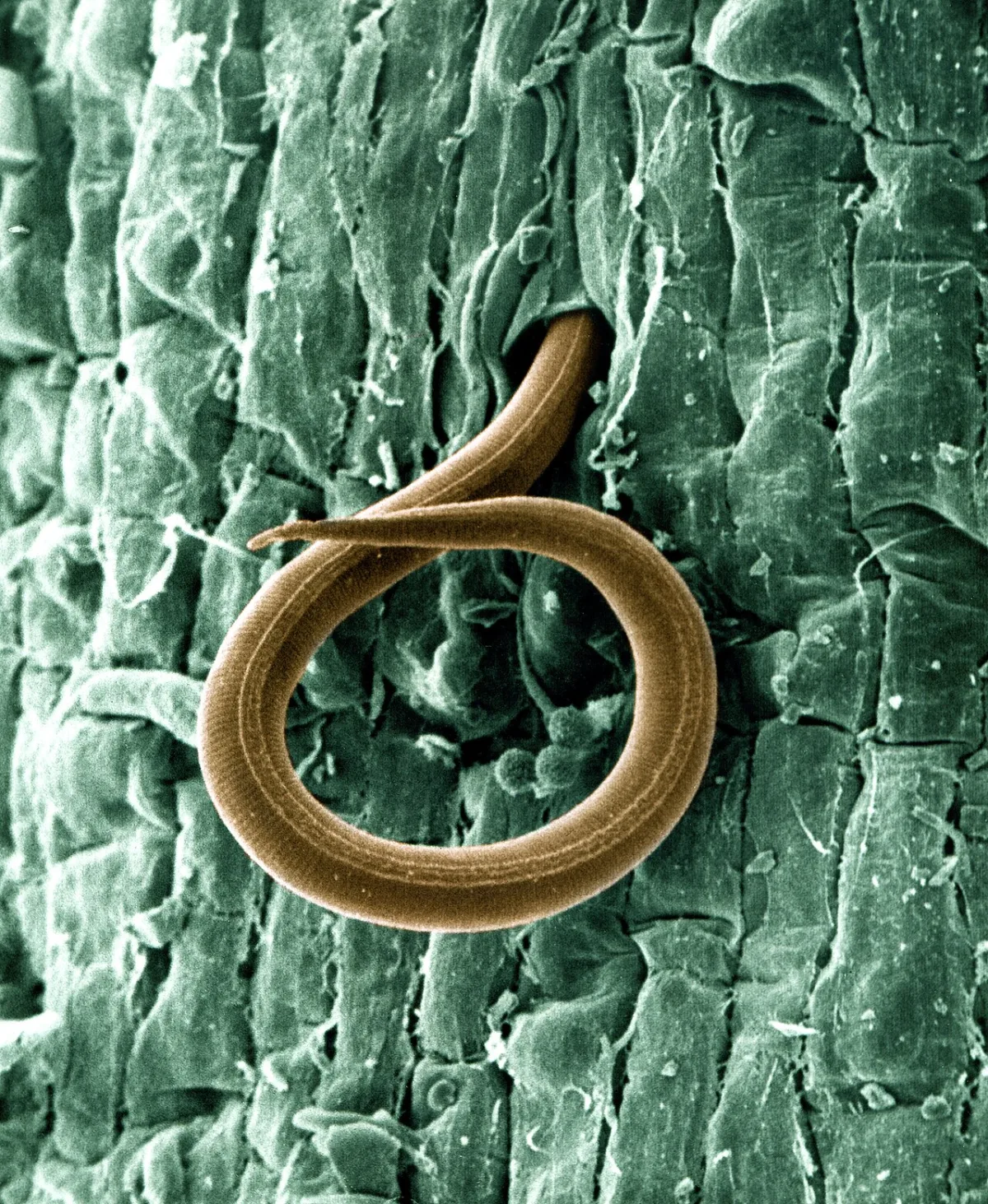
Nematodes represent one of the most hidden threats in crop production. These microscopic worms often masquerade as physiological disorders or nutrient deficiencies, which complicates timely diagnosis and leads to significant harvest losses in greenhouse environments. Understanding the biology of these pests and the ability to accurately assess the degree of crop infestation are critical skills for an agronomist, allowing for the timely implementation of biological and chemical plant protection methods, including soil fumigation and the application of specialized biological products.

This selection contains materials covering key aspects of working with nematodes: from laboratory assessment methods for potato cultivar resistance and the degree of infestation in greenhouse crops, to phytosanitary soil preparation technologies. You will find expert recommendations on protecting strawberries from aphelenchoides, methods for preventing the spread of viral infections transmitted by nematodes, and practical advice on the application of avermectins. The articles will help specialists systematize approaches to monitoring pathogens and choosing effective control strategies in the conditions of intensive vegetable production.

Plant protection For agronomists

Control of phytoparasitic nematodes in greenhouse vegetable production

Phytoparasitic nematodes pose a serious threat to harvest in protected soil, masking themselves as physiological plant diseases. The article examines the biological characteristics of these pests and the main approaches to the plant protection of greenhouse crops

Plant protection For agronomists

Optimized methodology for assessing potato resistance to the golden nematode

Specialists have developed an accelerated laboratory method for assessing potato breeding material for resistance to the golden nematode. The new methodology reduces the analysis time to eight weeks and allows for a decrease in the consumption of infectious material compared to standard testing.

Plant protection For agronomists

Biological plant protection of vegetable crops against diseases and nematodes

Agronomists use biological pest and disease control methods in greenhouses, including the application of trichothecin against powdery mildew of cucumbers and avermectin complex against root-knot nematodes on tomatoes. The article contains regulations for the application of preparations and a comparative analysis of their application methods

Plant protection For agronomists

Methods of viral infection spread and plant health improvement techniques

The article describes the main transmission pathways of viral infections via insects, nematodes, and fungi, as well as modern biotechnological methods for obtaining virus-free nursery plants. You will learn about the possibilities of crop sanitation using thermotherapy and meristem culture