
Optimized methodology for assessing potato resistance to the golden nematode
14 min read
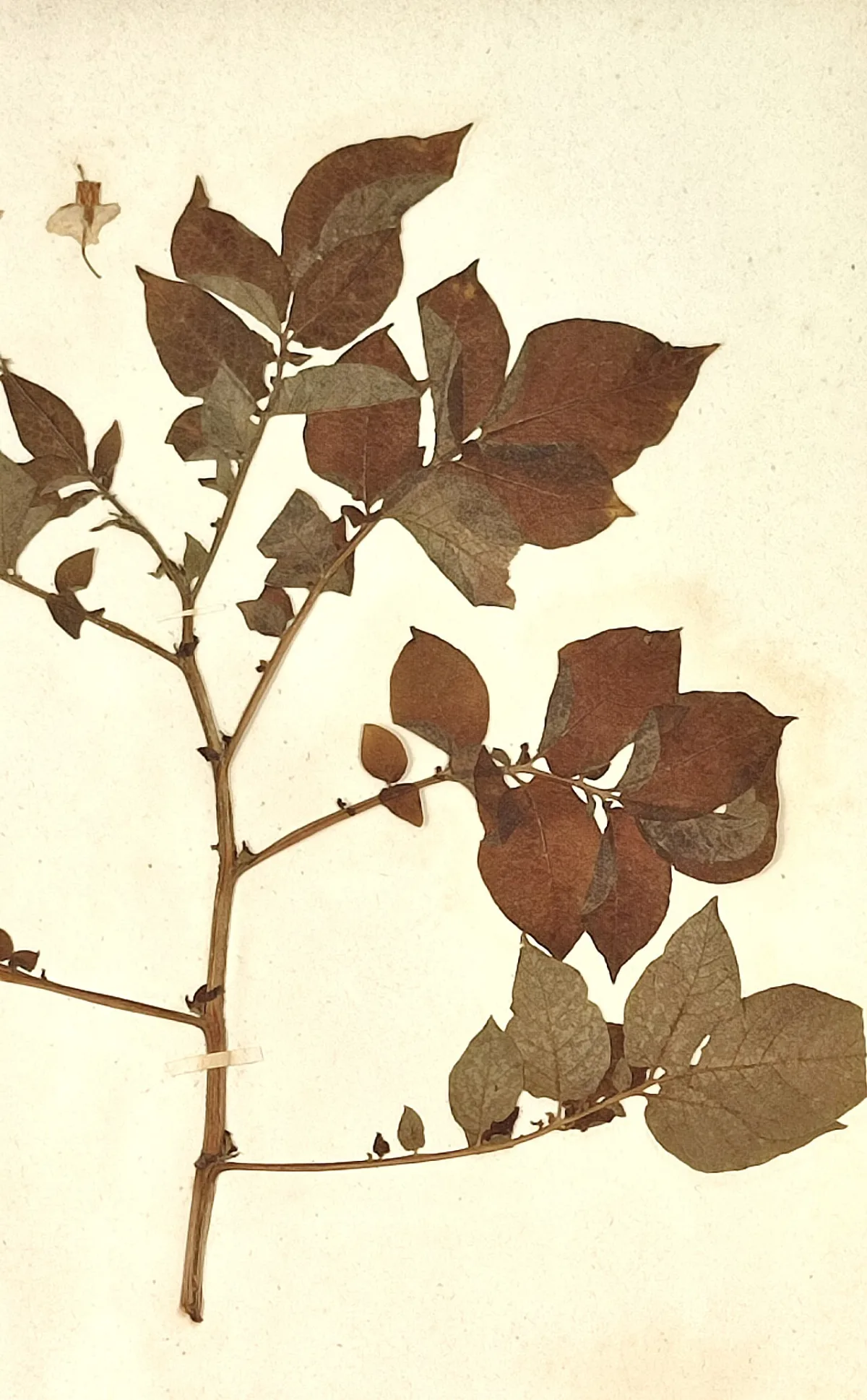
How to accelerate potato resistance assessment to nematodes
Potato cyst nematode remains one of the most harmful diseases of potato. In case of heavy infestation of plantings with golden (Globodera rostochiensis) or pale (Globodera pallida) potato cyst nematodes, the crop yield decreases by 70–90%. Both pathogens are subject to quarantine control. The most ecological and reliable protection method remains the cultivation of resistant cultivars, of which there are currently 35 of domestic breeding in the state register.
The assessment of breeding material for resistance to the golden potato cyst nematode is a mandatory stage of work. The current standard method of biological testing is reliable but very labor-intensive, time-consuming, and highly dependent on environmental conditions.
To simplify the work and improve the accuracy of the results, an optimized express assessment method was developed. Unlike the standard field test, which requires high inoculation pressure and 10 weeks of waiting, the new method allows for analysis in the laboratory in just 8 weeks. This significantly speeds up the selection of promising hybrids for further propagation.
- Potato yield losses — up to 70–90%
- Number of domestic cultivars in the register — 35
- Optimal test temperature — 22 °C
- Photoperiod during testing — 16 hours
- Laboratory assessment duration — 8 weeks
The results of the assessment under vegetative field conditions directly depend on weather whims and the physiological state of the plants. A controlled laboratory climate eliminates these errors.
Parameters of standard and optimized methods
Comparative assessment of the methods was carried out in experiments with three replicates. In 2022, 7 cultivars with a known degree of resistance were analyzed, and in 2023 — 15 cultivars (4 of which had a known reaction and 11 under study). The cultivar Voltmann was used as a susceptible standard. The new method showed high convergence of results with the EPPO PM 3/68 (1) standard, but allowed for a reduction in the consumption of infectious material and shorter analysis times.
| Experiment indicator | Standard method | Optimized method |
|---|---|---|
| Soil volume in the vessel | 100 cm³ | 100 cm³ |
| Inoculation pressure (eggs and larvae) | 7 thousand | 3 thousand |
| Number of cysts per vessel | 25–35 | 15–20 |
| Test conditions | Vegetative-field | Laboratory (22 °C, photoperiod 16/8 h, irrigation) |
| Time for results recording after planting | After 10 weeks (after emergence) | After 8 weeks |
Resistance is assessed visually by the number of golden-yellow cysts on the root system. All samples are divided into three groups:
- Group 1 (resistant) — 0 cysts on the roots;
- Group 2 (slightly susceptible) — from 1 to 5 cysts;
- Group 3 (susceptible) — more than 5 cysts.
For an accurate comparison of the results with the EPPO PM 3/68 (1) standard, the total population of the parasite in the soil is determined at the end of the growing season using the flotation method. Based on the number of extracted cysts, the relative susceptibility of the tested sample is calculated in comparison with the Voltmann cultivar.
The extraction of cysts from the soil is carried out according to the following scheme:
- Pour 100 cm³ of sieved soil from the vegetation vessel into a liter beaker and add water.
- Mix thoroughly and let the suspension settle for 3–5 minutes.
- Carefully pour the upper layer of water with floating cysts through a funnel with a diameter of 10–15 cm equipped with a filter (mesh size — 200 µm).
- Place the moist filter under a binocular and count the total number of cysts.
Pf (reference) RS is the relative susceptibility, %; Pf (test) is the final inoculation pressure of the cultivar under study; Pf (reference) is the final inoculation pressure of the reference susceptible cultivar.
Based on the results, a scoring assessment of the cultivar's resistance is given in accordance with the EPPO PM 3/68 (1) standard. Table 1 – Parameters for assessing resistance to Globodera according to the EPPO PM 3/68 (1) standard
Group Relative Score Degree of resistance susceptibility, %
<1 9 very high Resistant 1.1–3 8 high/very high
5.1–10 6 medium/high Slightly susceptible 10.1–15 5 medium
25.1–50 3 low Susceptible 50.1–100 2 low/very low
>100 1 very low
Research results. According to literature data, the resistance test to Globodera is considered valid if the root system of the susceptible reference plant is heavily infested with potato cyst nematode.
The assessment of the root system of plants during the period of golden-yellow cyst formation by the nematode showed that on potato cultivars Lasunak, Briz, and Yuliya (susceptible to PCN), golden-yellow cysts were formed (more than 5 units/plant in all cultivars), while cultivars Nara, Vodar, Skarb, and Uladar (resistant to PCN) were free from infection. Table 2 – Comparative assessment of standard and optimized methods (RUE "Institute of Plant Protection")
Method standardoptimizedoptimizedstandard
Cultivar, standard average number of cysts on root system*, cysts/plant resistance
Year hybrid PCN resistance Voltmann 2022 13.3 35.7 susceptible susceptible (reference) 2023 8.8 29.5
2022 24.0 109.7 Lasunak susceptible susceptible
2023 36.1 54.8 Briz 2022 20.0 72.7 susceptible susceptible Yuliya 2022 6.0 8.3 susceptible susceptible 154023-96 2023 17.9 21.6 susceptible susceptible 10255-8 2023 15.7 20.2 susceptible susceptible 174149-32 2023 11.1 39.1 susceptible susceptible 3765-19 2023 6.2 48.1 susceptible susceptible 3668-1 2023 1.7 1.5 slightly susceptible slightly susceptible 10049-85 2023 1.6 3.2 slightly susceptible slightly susceptible 164080-3 2023 1.1 1.1 slightly susceptible slightly susceptible 174138-19 2023 0.0 1.3 resistant slightly susceptible 189-18-1 2023 0.0 1.4 resistant slightly susceptible Nara 2022 0.0 0.5 resistant resistant Vodar 2022 0.0 0.0 resistant resistant
2022 0.0 0.7 Skarb resistant resistant
2023 0.0 0.0 Uladar 2023 0.0 0.0 resistant resistant 174109-8 2023 0.0 0.0 resistant resistant 10049-80 2023 0.0 0.0 resistant resistant Note – “*” – count performed during the yellow (golden) developmental phase of PCN
An inspection of potato roots showed that golden-yellow PCN cysts had formed on the evaluated hybrids; based on their count, the studied cultivars were characterized as susceptible, slightly susceptible, or resistant. For instance, when evaluated using the optimized method, the root systems of susceptible hybrids formed between 20.2 and 109.7 cysts/plant, and between 6.2 and 36.1 using the standard method, while on slightly susceptible ones, the figures were 1.1 to 3.2 and 1.1 to 1.7 units/plant, respectively. At the same time, the root systems of resistant hybrids were free of PCN cysts when evaluated using the standard method. However, when performing the assessment for Globodera resistance using the optimized method, golden-yellow cysts were formed on two cultivars (189-18-1 and 174138-19), which had been classified as resistant under the standard method, in quantities of 1.3 and 1.4 units/plant.
To determine the final infestation load, 12 weeks after planting the potatoes in isolated pots, a soil analysis was conducted; the results established that the final population on the control cultivar Voltman was 131.5 cysts/plant, which allowed for the assessment of the studied potato breeding hybrids for resistance to PCN according to the EPPO standard PM 3/68 (1). Table 3 – Assessment of Globodera resistance of potato hybrids according to the EPPO standard PM 3/68 (1) (RUE “Institute of Plant Protection”, 2023)
Final infestation Relative Score Cultivar, load, cysts/ susceptibility, resistance hybrid plant %
Comparison of methods for assessing potato resistance
For the correct selection of potato cultivars, it is important to accurately assess their real resistance to the golden potato cyst nematode (PCN). During the trials, the infestation indicators of the experimental samples were analyzed: the number of cysts and larvae per plant, as well as the final score of susceptibility to pathotype Ro 1.
| Cultivar / Hybrid | Number of cysts, units | Number of larvae, units | Score | Resistance group |
|---|---|---|---|---|
| 131.5 | — | — | — | susceptible (control) |
| Lasunak | 71.7 | 54.5 | 2 | susceptible |
| Skarb | 2.2 | 1.6 | 8 | resistant |
| Uladar | 3.0 | 2.3 | 8 | resistant |
| 3765-19 | 173.6 | 132.0 | 1 | susceptible |
| 174149-32 | 123.0 | 93.5 | 2 | susceptible |
| 154023-96 | 85.7 | 65.1 | 2 | susceptible |
| 10255-8 | 90.1 | 68.5 | 2 | susceptible |
| 164080-3 | 30.9 | 23.5 | 4 | slightly susceptible |
| 3668-1 | 22.3 | 17.0 | 4 | slightly susceptible |
| 174138-19 | 5.2 | 3.9 | 7 | resistant |
| 189-18-1 | 4.3 | 3.3 | 7 | resistant |
| 174109-8 | 3.7 | 2.8 | 8 | resistant |
| 10049-85 | 3.2 | 2.4 | 8 | resistant |
| 10049-80 | 3.1 | 2.4 | 8 | resistant |
The assessment of the known cultivars Lasunak, Uladar, and Skarb fully confirmed their Globodera resistance according to the international EPPO standard PM 3/68. The results also coincided for four susceptible hybrids (3765-19, 174149-32, 154023-96, 10255-8) — both methods classified them identically.
However, discrepancies emerged when determining the intermediate resistance groups:
- According to the international EPPO standard PM 3/68, 2 slightly susceptible hybrids and 5 resistant ones were identified.
- According to the standard method, these same samples were distributed as 3 slightly susceptible and 4 resistant.
A comparative analysis showed high consistency of results when comparing different methods:
- Consistency between the standard and optimized methods — 86.7%
- Consistency of the optimized method with the EPPO standard — 80.0%
The results coincided for 13 out of 15 samples in the first case and for 12 out of 15 samples in the second. A detailed comparison of the assessments based on the three scales is provided in the table below.
| Cultivar, hybrid | Standard method | Optimized method | EPPO standard PM 3/68 |
|---|---|---|---|
| Voltman | susceptible | susceptible | susceptible |
| Lasunak | susceptible | susceptible | susceptible |
| Skarb | resistant | resistant | resistant |
| Uladar | resistant | resistant | resistant |
| 3765-19 | susceptible | susceptible | susceptible |
| 10255-8 | susceptible | susceptible | susceptible |
| 174149-32 | susceptible | susceptible | susceptible |
| 154023-96 | susceptible | susceptible | susceptible |
| 164080-3 | slightly susceptible | slightly susceptible | slightly susceptible |
| 3668-1 | slightly susceptible | slightly susceptible | slightly susceptible |
| 10049-85 | slightly susceptible | slightly susceptible | resistant |
| 174138-19 | resistant | slightly susceptible | resistant |
| 189-18-1 | resistant | slightly susceptible | resistant |
| 174109-8 | resistant | resistant | resistant |
| 10049-80 | resistant | resistant | resistant |
Reason for assessment discrepancies: The scales used reflect the hypersensitivity reaction of potato tissues to nematode invasion. This reaction is controlled by dominant genes but is phenotypically slow to manifest. The speed of hypersensitivity manifestation is influenced by the specific conditions of the growing season in the field, as well as the uneven penetration of the plant-parasitic nematode into the roots.
Furthermore, the scale used in the optimized method is very rigid, and potato cultivars from the 2nd group (slightly susceptible) are included in the registry as susceptible, even though many hybrids may form only isolated cysts during a bioassay. For example, in the hybrids 174138-19 and 189-18-1, the root system formed on average only 1.3 and 1.4 cysts/plant, respectively, meaning the hypersensitivity reaction has not yet been fully consolidated at the phenotypic level, and subsequently, they may behave as resistant.
Thus, the obtained data on the immunological assessment of potato cultivars make it possible to use the improved optimized method to test initial breeding material for Globodera resistance.
Conclusion. In 2022–2023, it was determined that golden-yellow Globodera cysts formed on the root systems of susceptible cultivars in the following quantities:
| Group of cultivars | Number of cysts/plant |
| Susceptible | from 6.2 to 109.7 |
| Slightly susceptible | from 1.1 to 3.2 |
| Resistant | free from infection |
It has been established that in a comparative assessment of breeding hybrids using standard and optimized methods, the results regarding the degree of resistance to PCN coincided in 86.7% of cases, and according to the optimized method and EPPO standard PM 3/68 (1) – in 80.0% of cases.
Thus, based on the conducted research, the method for assessing the resistance of breeding material to PCN has been improved, which includes the following stages and conditions:
- the use of an invasion load of at least 3,000 eggs and larvae per 100 cm3 of soil;
- conducting a preliminary test of cultivars for resistance to Globodera in the second year during the winter period under controlled climatic conditions.
This allows for a 2.5-fold reduction in the density of the invasion load, a reduction in testing time by 1 year, and a reallocation of labor costs throughout the calendar year compared to the standard method.
Ananyeva, I. N. Species identification, pathotypic composition of Globodera rostochiensis (Woll.) Behrens and potato resistance to potato cyst nematode: abstract of diss. ... Cand. Biol. Sci.: 06.01.11 / I. N. Ananyeva; RUE "Institute of Plant Protection of the NAS of Belarus". – Priluki, Minsk district, 2005. – 20 p.
Zhukova, M. I. Variability of potato resistance to Globodera / M. I. Zhukova, N. V. Pavlyuchuk, O. N. Zubkevich // Potato Growing: coll. of scientific works / RUE "Scientific and Practical Center of the NAS of Belarus for Potato, Fruit and Vegetable Growing"; editorial board: S. A. Turko (editor-in-chief) [et al.]. – Minsk, 2010. – Vol. 18. – P. 68–77.
Zhukova, M. I. Modern problems and prospects for overcoming them when assessing the resistance of potato cultivars to Globodera / M. I. Zhukova, O. N. Zubkevich, N. Yu. Proskurenko // Plant protection: coll. of scientific works / Scientific and Practical Center of the NAS of Belarus for Agriculture, Institute of Plant Protection; editorial board: L. I. Trepashko (editor-in-chief) [et al.]. – Nesvizh, 2008. – Iss. 32. – P. 159–171.
Limantseva, L. A. Golden potato nematode Globodera rostochiensis in the North-Western region of the Russian Federation: population composition, sources and donors of resistance: abstract of diss. ... Cand. Biol. Sci.: 06.01.07 / L. A. Limantseva; GNU VIR. – SPb, 2010. – 21 p.
Testing of potato cultivars to assess their resistance to Globodera rostochiensis and Globodera pallida [Electronic resource] // State Institution "Main State Inspection for Seed Growing, Quarantine and Plant Protection". – Access mode: https://ggiskzr.by/doc/ mezhdunarodnoe-sotrudnichestvo/EPPO_PM_3-68(1)_ru.pdf – Date of access: 11.02.2024.
12. EPPO A1 List of pests recommended for regulation as quarantine pests [Electronic resource]. – Mode of access: https://www.eppo.int/ACTIVITIES/plant_quarantine/A1_list/ – Date of access: 11.02.2021.
M. V. Konopatskaya, I. G. Volchkevich RUE «Institute of Plant Protection», Priluki, Minsk region
COMPARISON OF VARIOUS METHODS FOR
EVALUATING POTATO BREEDING MATERIAL FOR
RESISTANCE TO GLOBODERA ROSTOCHIENSIS
Annotation. The article presents the results of a comparative assessment of the resistance of potato breeding material to Globodera rostochiensis Behrens using standard and optimized methods and EPPO standard PM 3/68 (1). It was shown that in a comparative assessment of breeding hybrids using standard and optimized methods, there was a coincidence of results on the degree of resistance to G. rostochiensis in 86.7 % of cases, and according to the optimized method and EPPO standard PM 3/68 (1) – in 80.0 % cases.
Read next
Plant protection For agronomists
The effect of scab on potato tuber storage quality
Plant protection For agronomists
Efficiency of insecticidal treatment of potato seed tubers against pests
Plant protection For agronomists