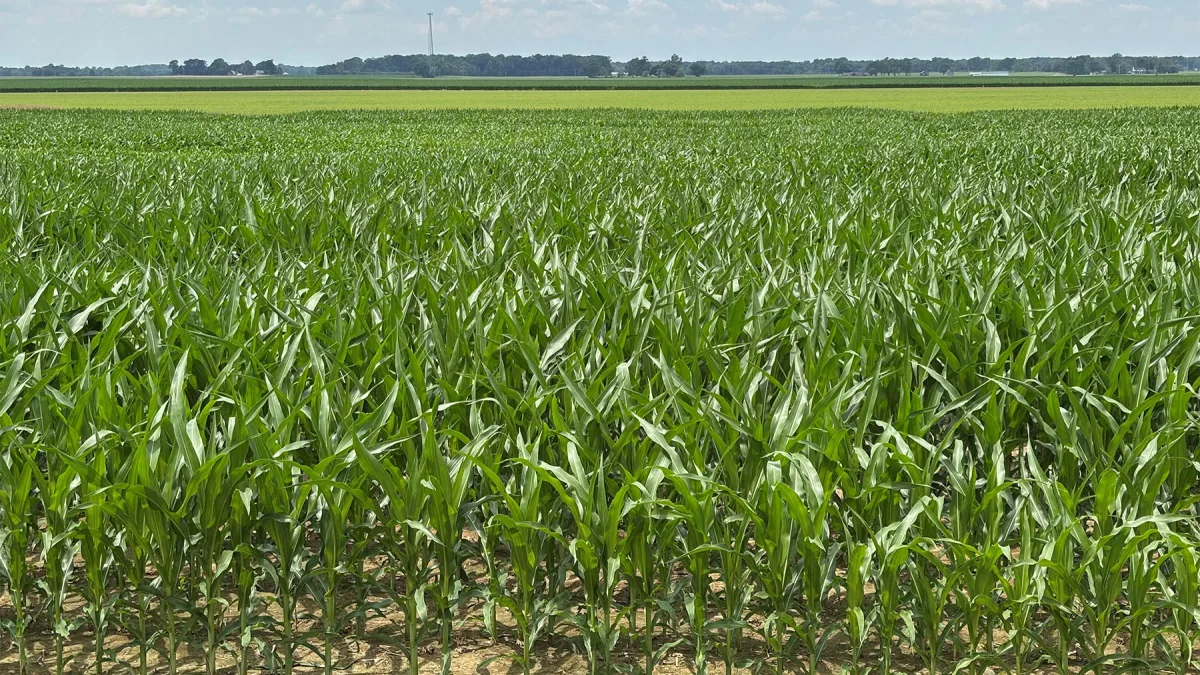
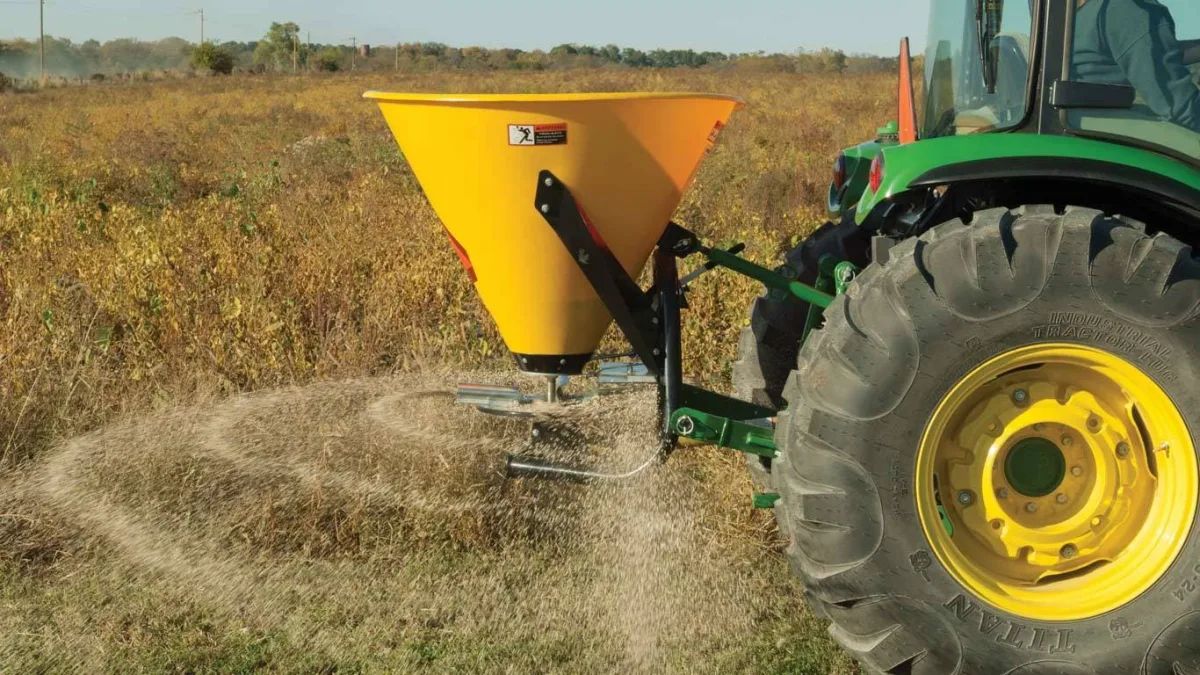
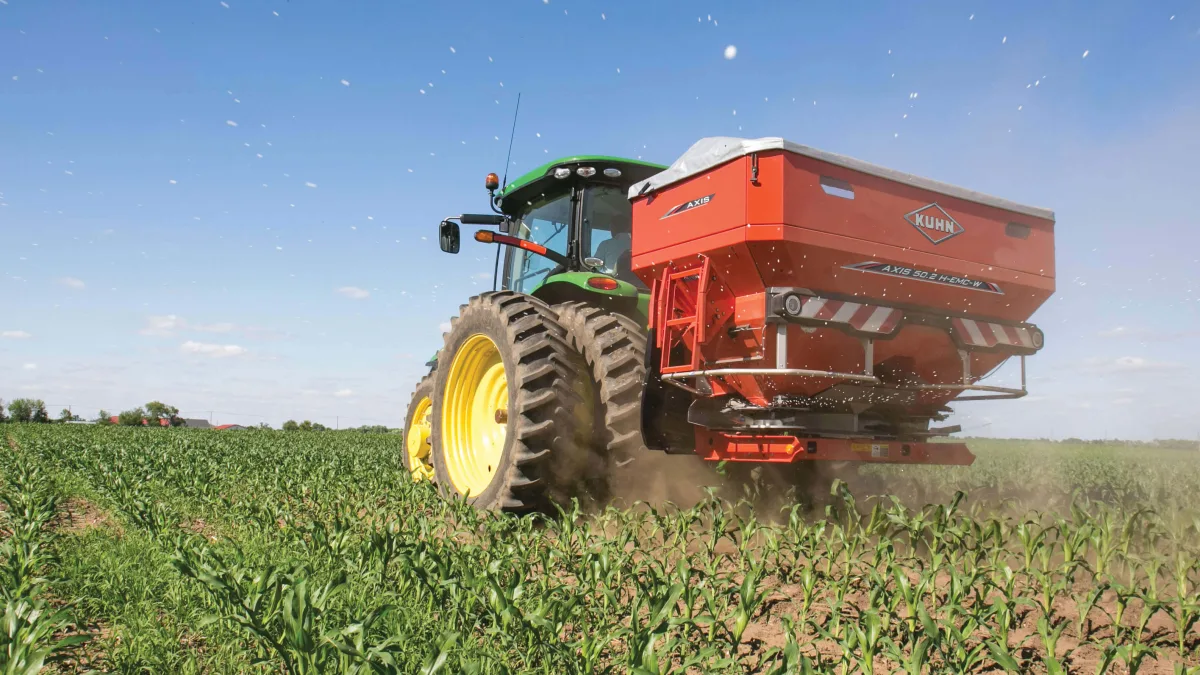
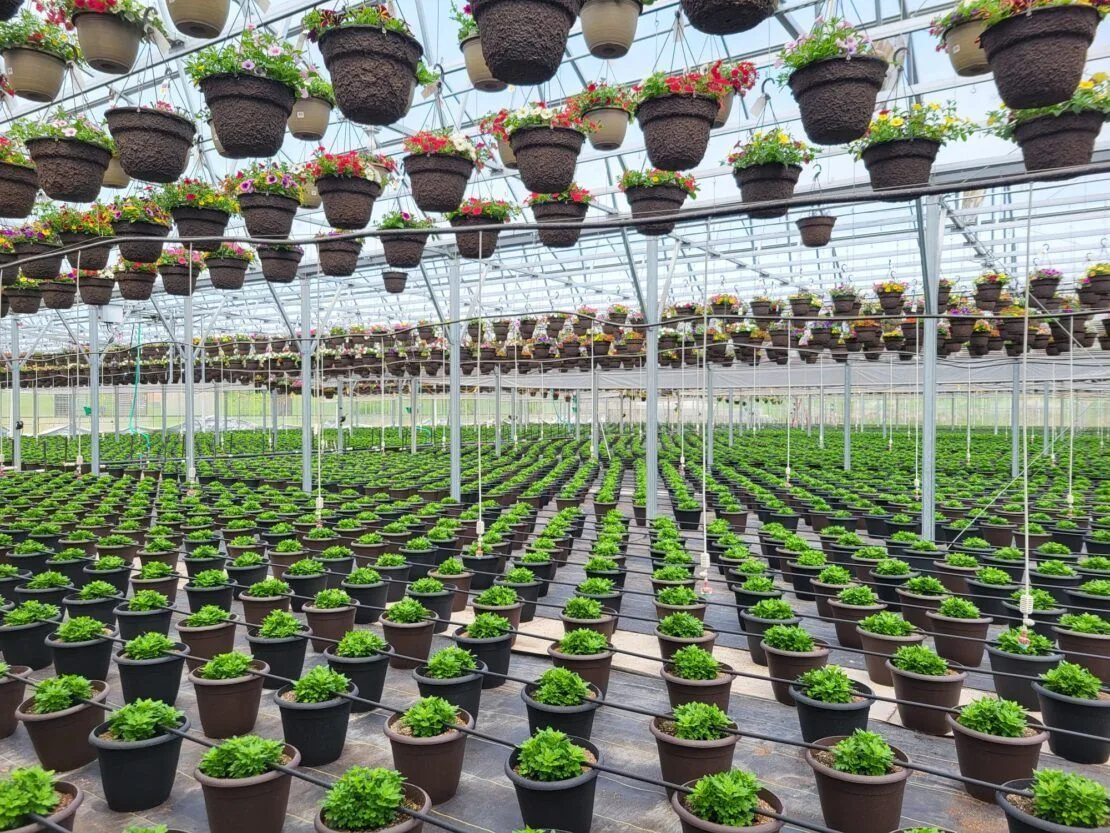
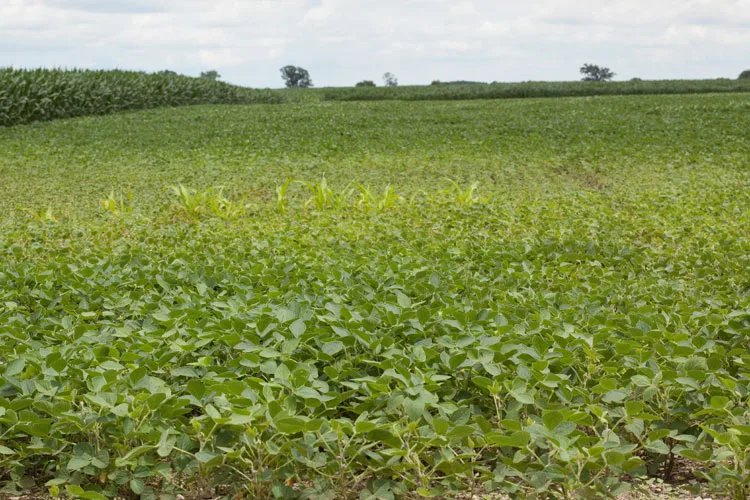
Fertilizer application is the foundation of modern crop production, determining the level of soil fertility and the productivity of agrocenoses. For an agronomist, a deep understanding of agrochemistry is essential for realizing crop potential, managing mineral nutrition, and selecting science-based methods for the application of substances. At the same time, for owners of home gardens, knowledge of soil composition and plant requirements allows them to competently adjust growing conditions, ensuring the healthy growth of flower and vegetable crops. Regardless of the scale of production, the balance between effective plant nutrition and environmental safety remains a key objective of competent agriculture.
This collection combines the theoretical foundations of agrochemical science, the historical experience of domestic school development, and practical recommendations on the use of fertilizers. You will find materials on physiological and biochemical research methods, principles for calculating application rates, and the specifics of nutrition in various soil and climatic zones of Russia. Special attention is paid to modern technologies, such as fertigation, as well as issues of land reclamation and increasing the productivity of hayfields and pastures. Studying these works will allow for the construction of a rational fertilization system that combines high economic efficiency with environmental stewardship and the long-term preservation of soil potential.