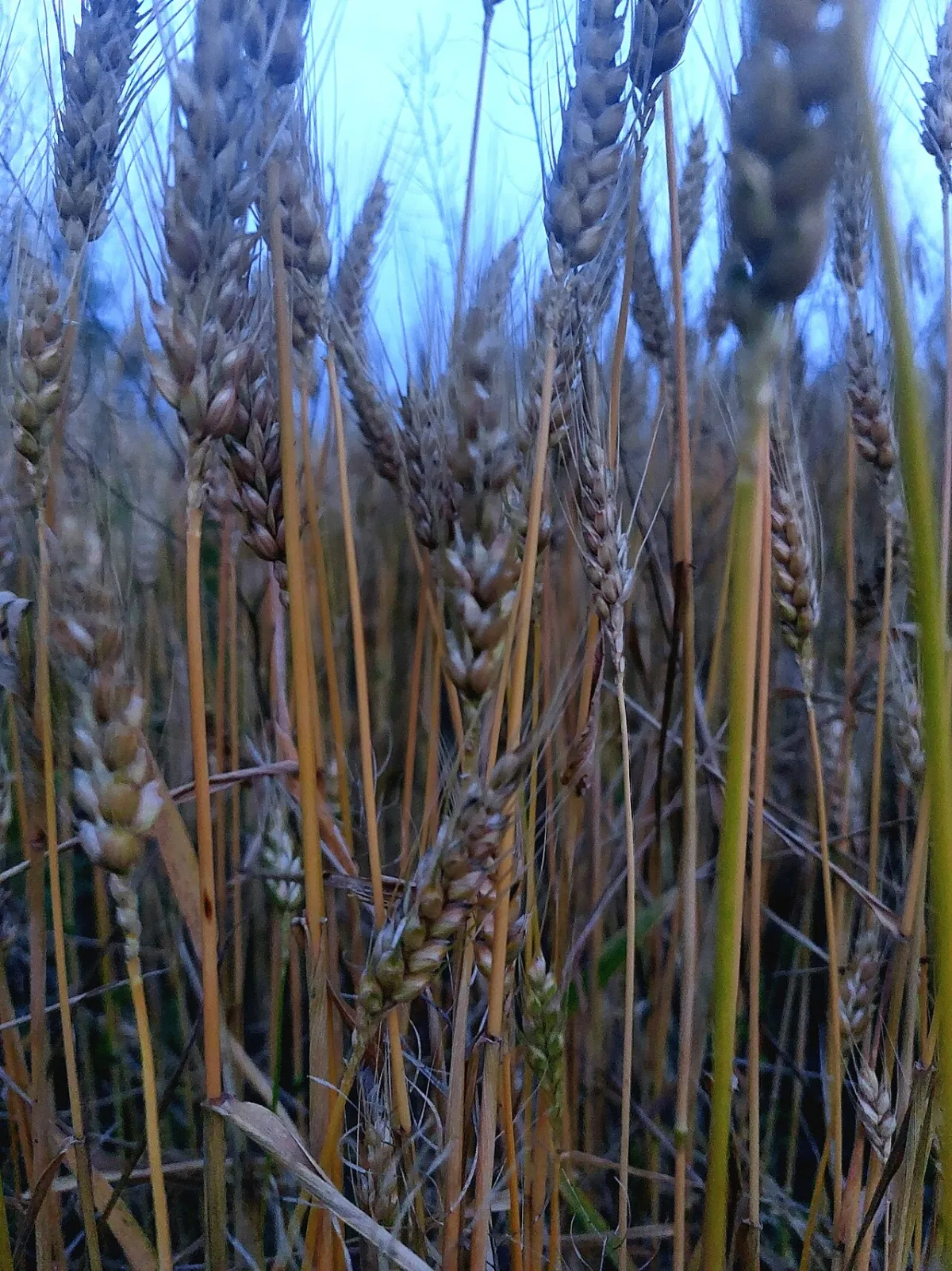
Disease development is a key aspect of phytopathology that determines the success of plant protection. Understanding the dynamics of infectious processes, pathogen etiology, and the influence of hydrothermal environmental conditions allows agronomists and gardeners to forecast epiphytotics, properly select treatment timing, and implement effective control strategies. Analyzing the factors that contribute to the spread of pathogens makes it possible to minimize harvest losses even before visible symptoms of crop damage appear.
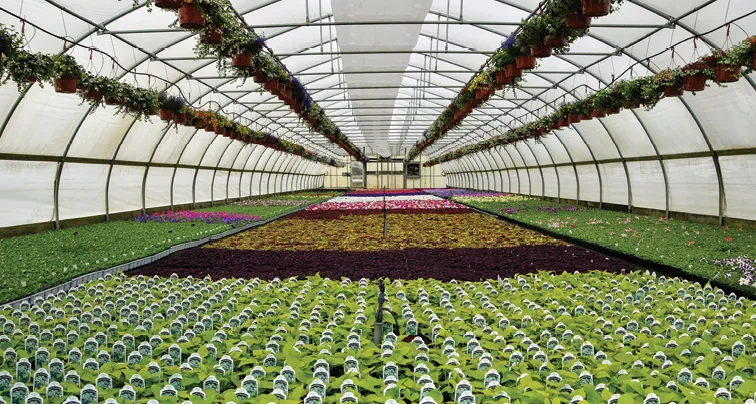
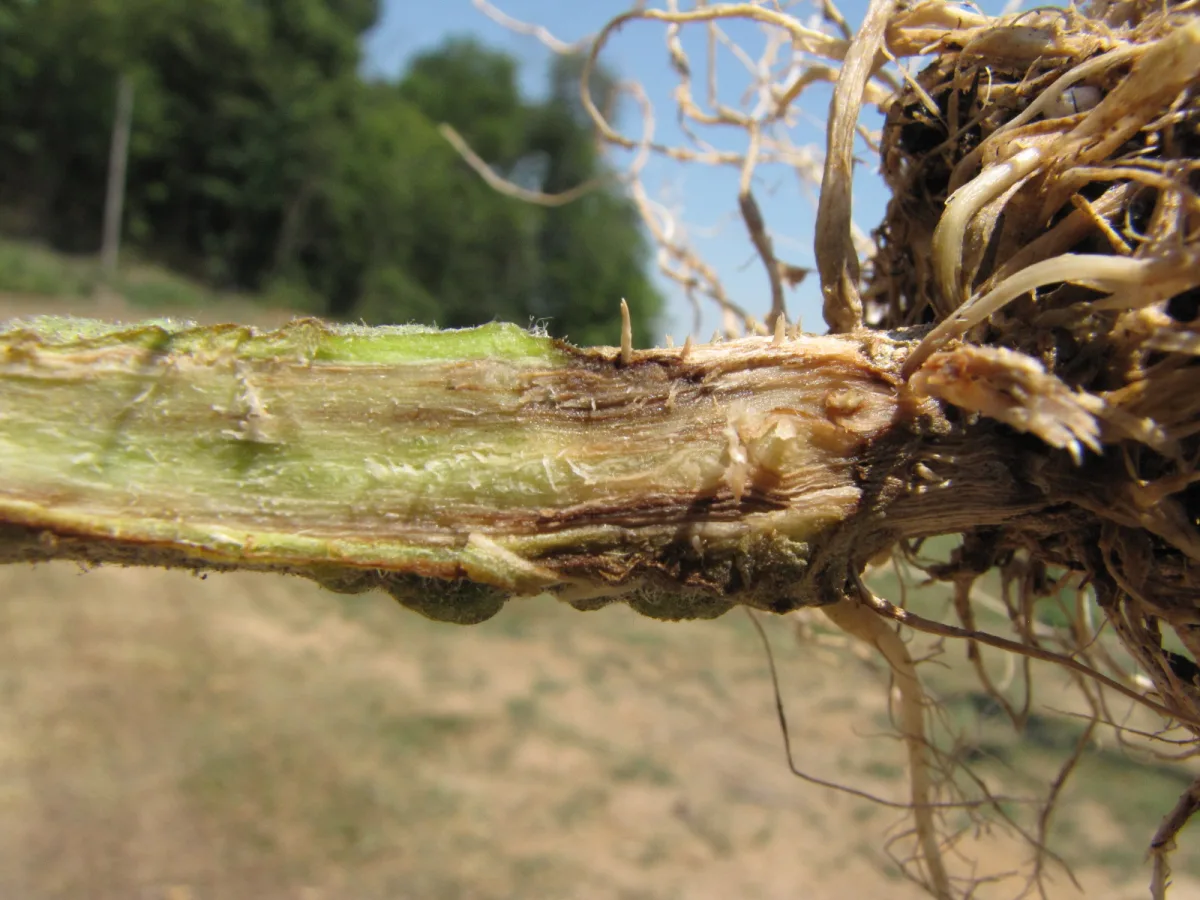
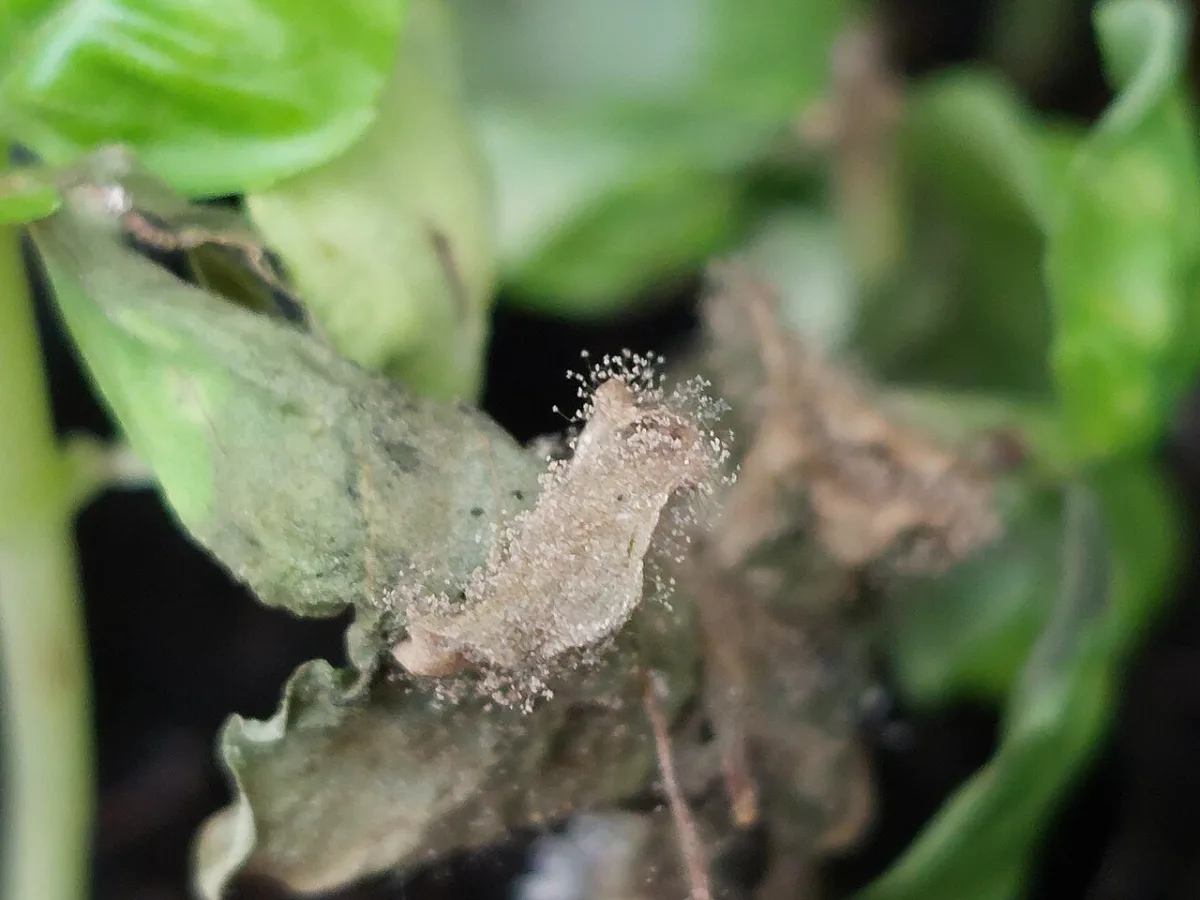
This collection contains materials covering a wide range of agricultural and flower crops, from field wheat to greenhouse vegetables and mushrooms. The articles provide detailed coverage of the spread of rust, downy mildew, fusarium wilt, bacteriosis, and other diseases. Readers will find information on diagnostic methods, the impact of agrotechnical practices and microclimate on pathogen activity, and the effectiveness of various protection strategies, including the use of fungicides and biological reclamation. The presented research helps to build a systematic approach to monitoring the condition of crops and plantings in greenhouse conditions.