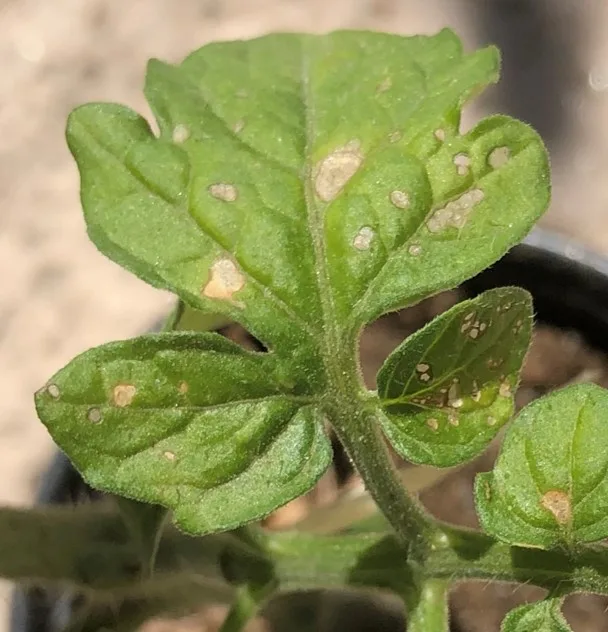
Chlorosis is a visual indicator of serious disturbances in plant physiology, signaling a deficiency of essential nutrients or the development of pathological processes. Understanding the causes of leaf discoloration is critical for an agronomist and a protected-soil specialist, as timely diagnosis allows distinguishing between functional disorders related to the lack of macro- and microelements and symptoms of viral or bacterial infections. Determining the exact nature of the problem is the basis for making decisions on adjusting nutrient schemes and choosing a crop protection strategy.
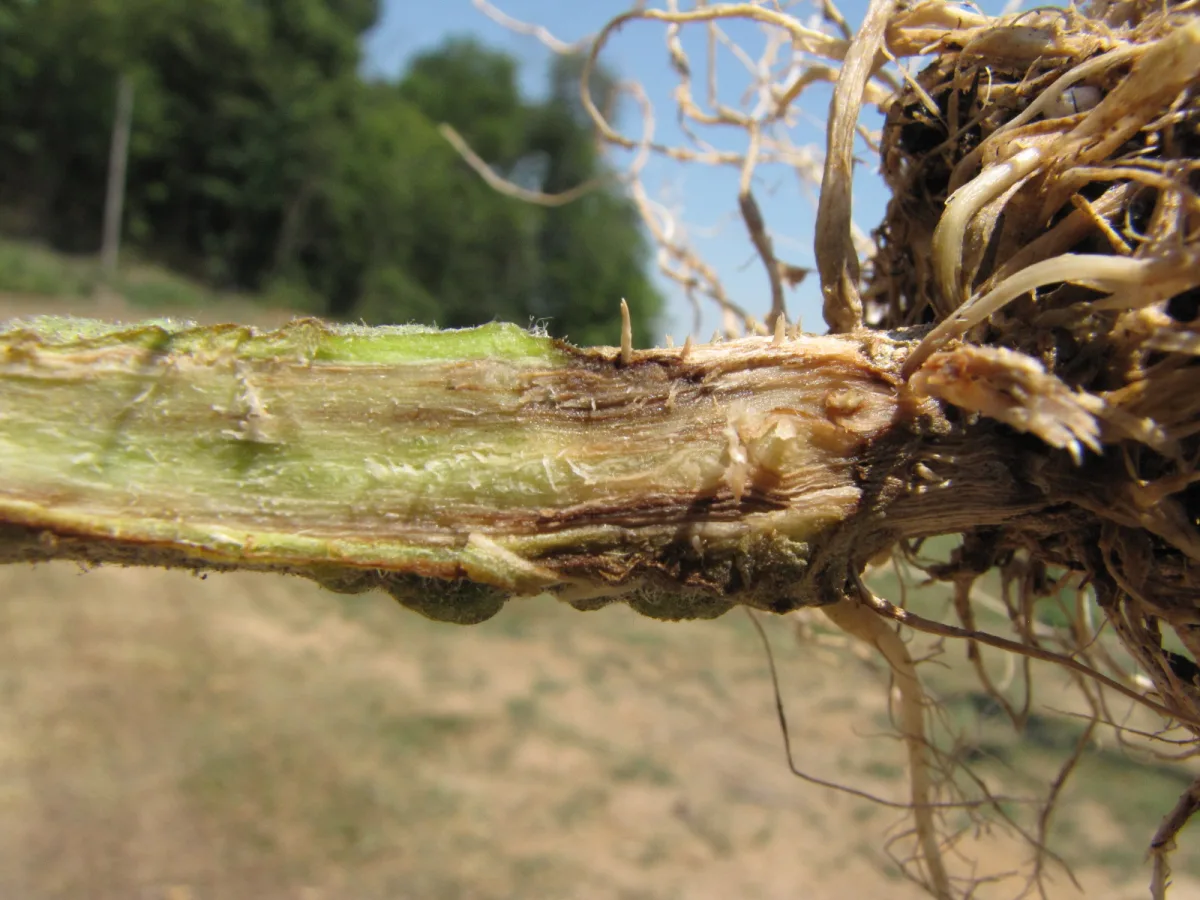
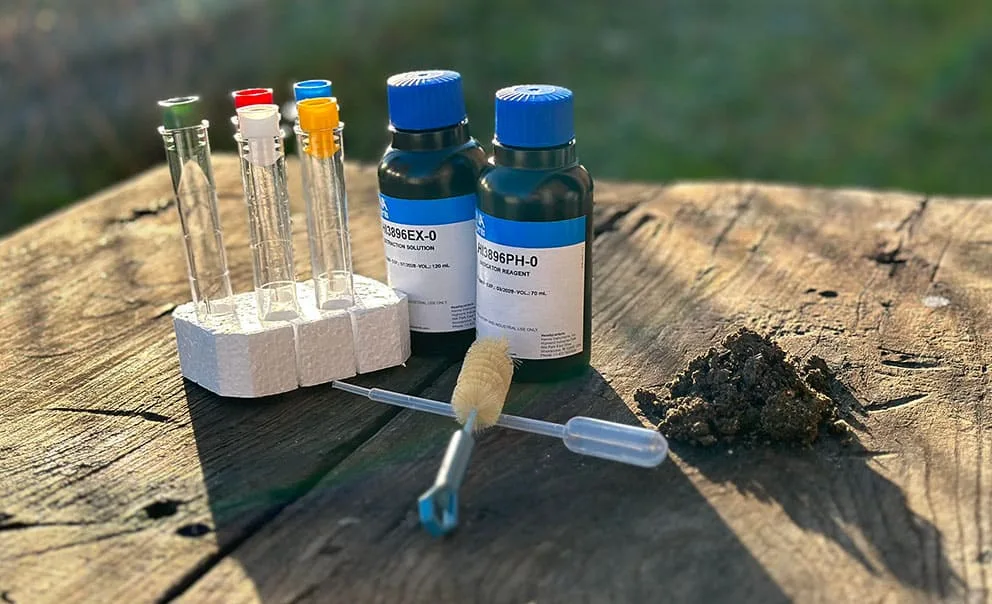
This collection contains materials devoted to methods of visual diagnosis of chlorosis and other pathologies of agricultural crops. Readers will find information on the principles of assessing the nutrient content of substrates, the specifics of sulfur and boron deficiency, as well as the particularities of the spread of viral and bacterial diseases in greenhouse conditions. The articles cover methods for calculating fertilizer application rates, strategies for controlling phytopathogens, and approaches to plant health improvement, which will allow for a comprehensive view on maintaining crop productivity and minimizing harvest losses when growing various vegetable and floral species.