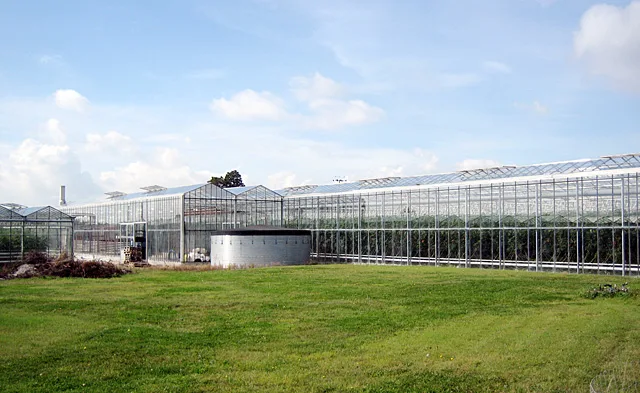
Viral infections pose a serious threat to crop production and mushroom cultivation, causing significant harvest losses and a reduction in the quality of marketable products. Viruses act as highly specific parasitic organisms capable of infiltrating the physiological processes of crops, causing systemic damage such as mosaic, streak, and mummification. Understanding the biology of pathogens and the mechanisms of their transmission via seed, planting material, insects, nematodes, and other abiotic factors is essential for preventing epiphytotics in agrocenoses and greenhouse environments.
This collection of materials contains information on the diagnosis and prevention of viral diseases in a wide range of crops: from tomatoes, cucumbers, peppers, and lettuce to ornamental plants and mushrooms. The reader will find detailed descriptions of infection symptoms, the distribution patterns of various virus species, and modern methods of plant protection, including biotechnological techniques for obtaining virus-free planting material. The articles are intended to assist agronomists and specialists in developing effective pathogen control strategies that ensure the phytosanitary well-being of farms and stability of yield.