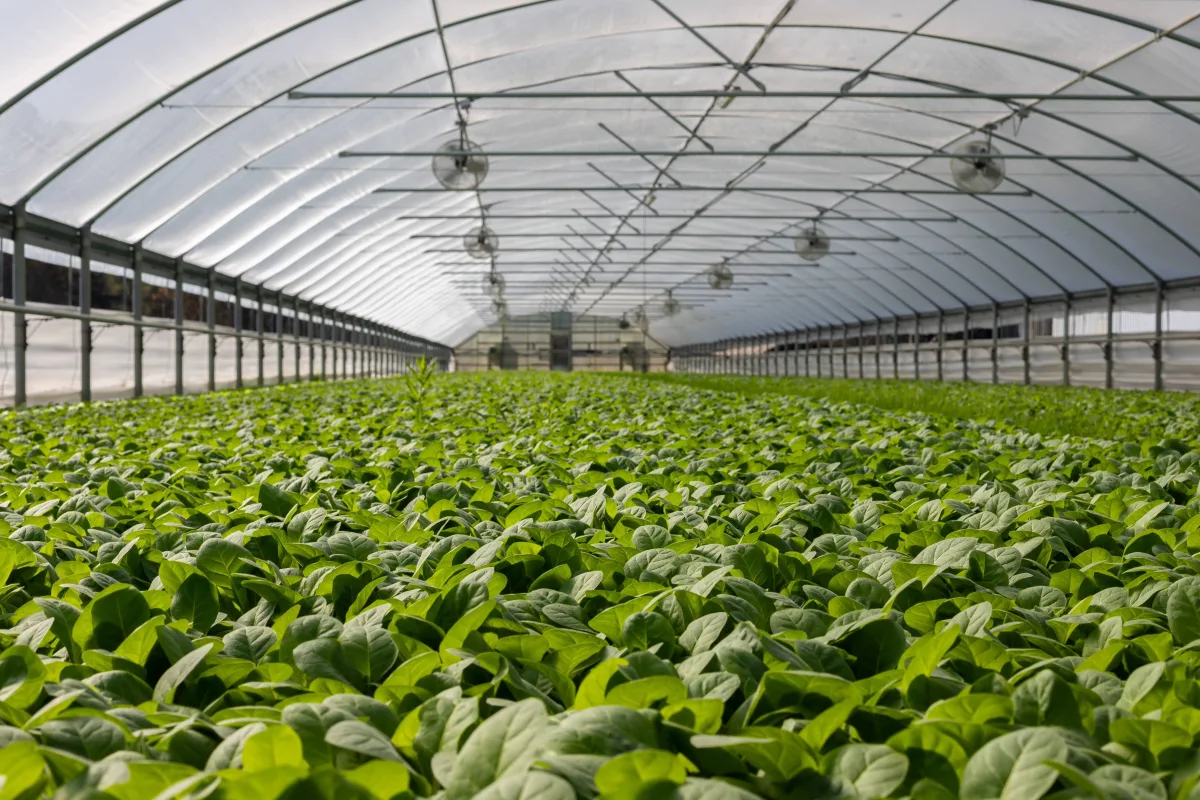
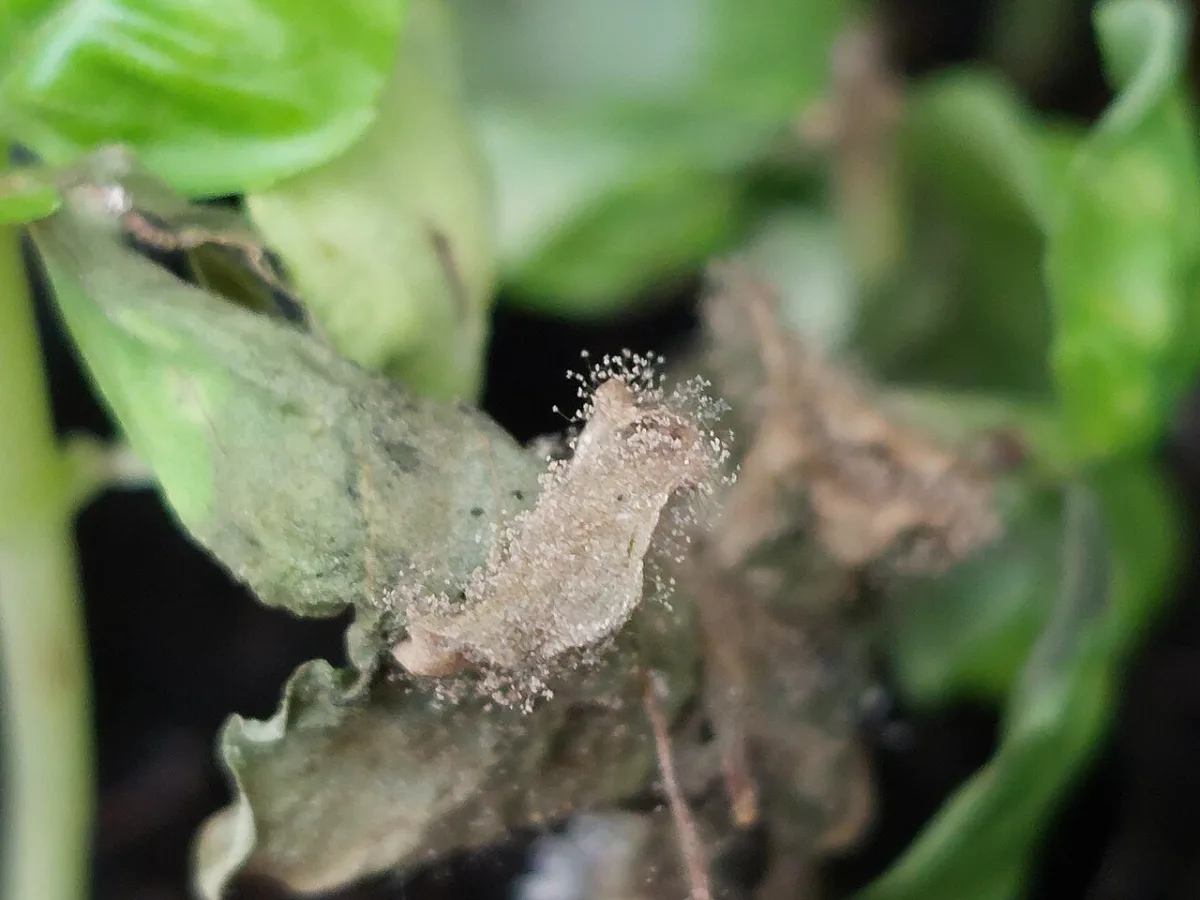
Spotting and associated rot lesions are a broad group of fungal and bacterial diseases that pose a serious threat to the productivity of both field and ornamental crops. The development of pathogens, such as Pyrenophora teres, agents of fusarium wilt, bacterial necrosis, or specific fungal mycelium infections, leads to significant harvest losses and a reduction in the quality of planting material. For an agronomist and a practicing gardener, timely diagnosis of these conditions, as well as an understanding of the mechanisms of infection spread, are mandatory conditions for maintaining plant health in open and protected soil.
This collection gathers materials covering a wide range of crops: from spring barley and tomatoes to greenhouse flowers and potted ornamental plants. The articles include expert recommendations on visual diagnostics of diseases, methods of agrotechnical control, and the application of fungicidal agents. Readers will find information on the specifics of combating rots, spotting, and necrosis, and will also be able to study the principles of differential diagnostics, which allow for distinguishing infectious lesions from physiological disorders caused by nutrient deficiency or toxicity.