Crop · 40 articles

Maize

Corn occupies a key place in modern crop production due to its high productivity and versatility of use. For agronomists and industry specialists, understanding the biological characteristics of this crop, its role in crop rotation, and effective methods of plant protection against pests, such as the European corn borer, is the foundation for obtaining stable yields. Of particular importance is the adoption of progressive technologies, including growing mixed crops with sunflower and using modern herbicide systems for weed control.

This collection of materials covers the full cycle of working with the crop: from fundamental agrotechnical principles to practical solutions for plant protection. Readers will find expert recommendations on the application of herbicides, the planning of tillage systems, and the management of irrigation using structured databases. In addition, the collection presents current information on the use of corn in forage production, which allows for linking crop production issues with effective livestock farming, including the calculation of balanced feeding rations and compliance with state feed quality standards.

Soil and tillage For agronomists

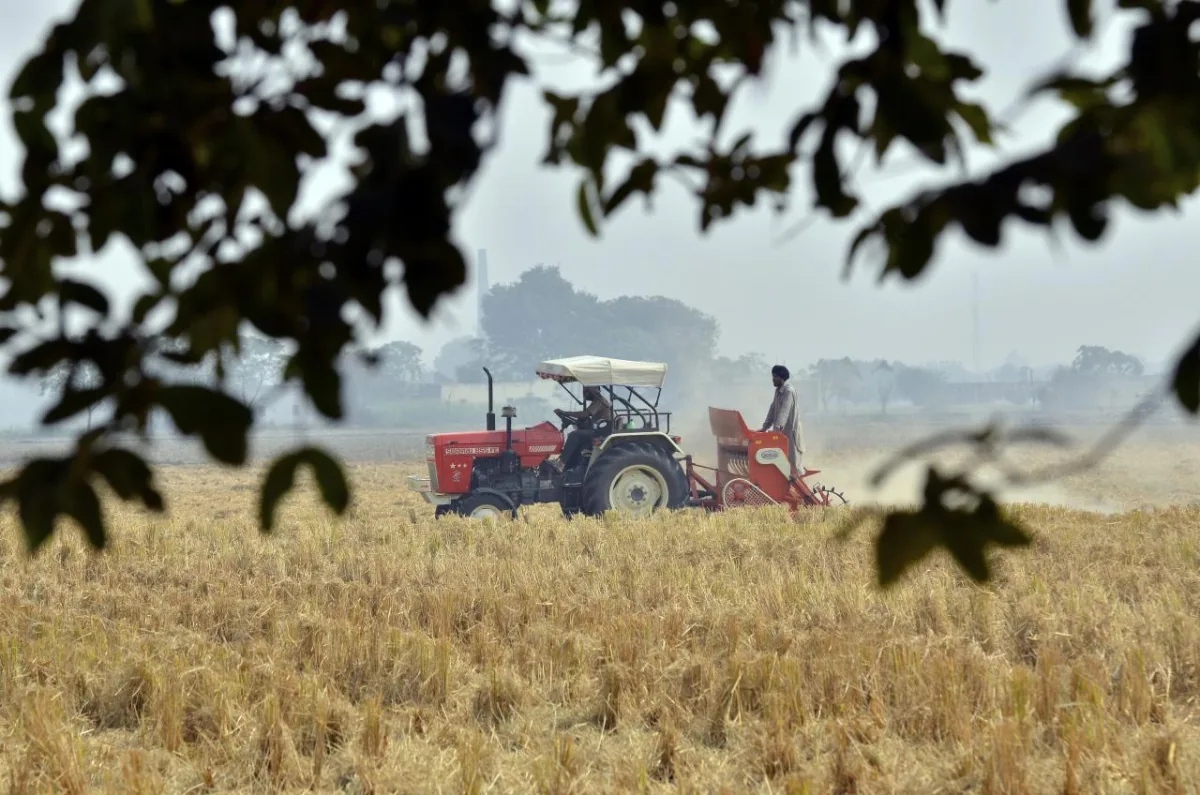
The effect of arable layer density on soil fertility and yield

The physical condition of the arable layer determines the efficiency of soil fertility utilization. The article examines the influence of soil density on aeration, moisture exchange, and microbiological processes, as well as the role of compaction in increasing nutrient availability.

Poultry For agronomists

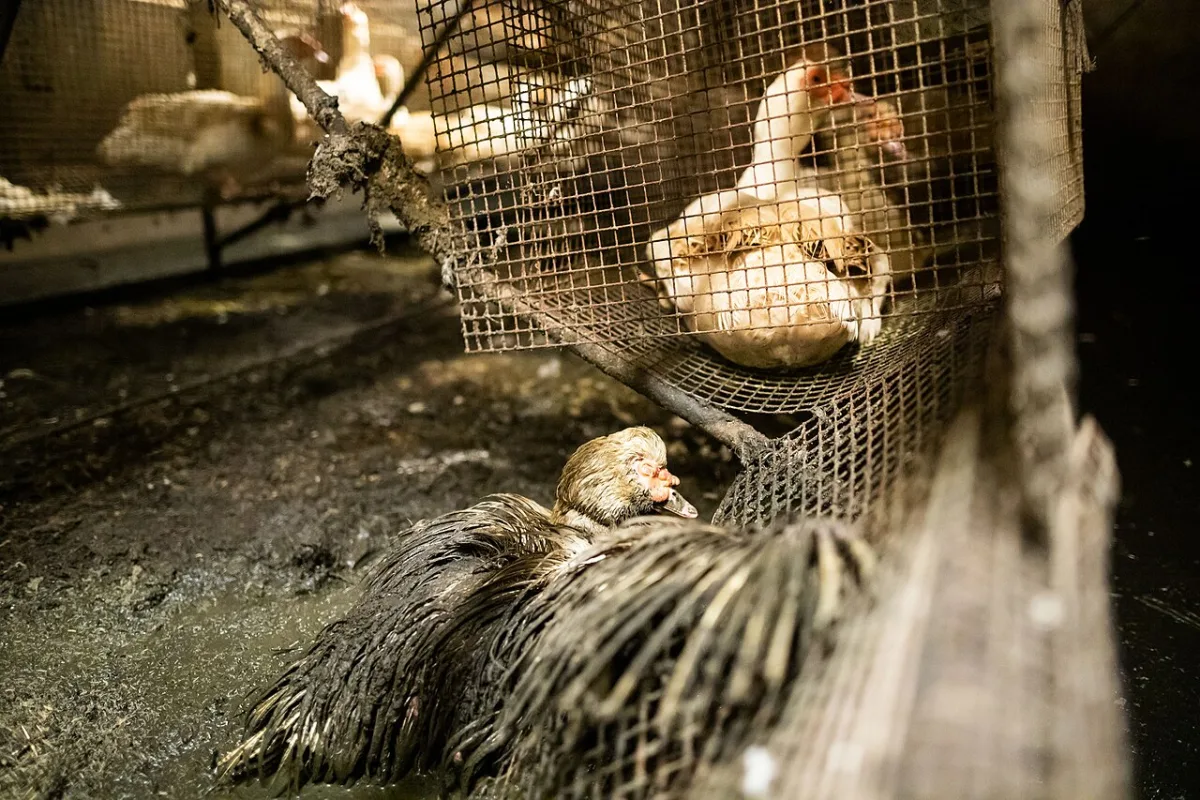
Technologies and selection methods in modern meat poultry farming

Modern meat poultry farming is based on the comprehensive implementation of scientific and technical achievements, specialized rearing of young birds, and intensive selection methods. The article examines key factors for increasing productivity, including line crossing and the optimization of housing systems

Crop production For students

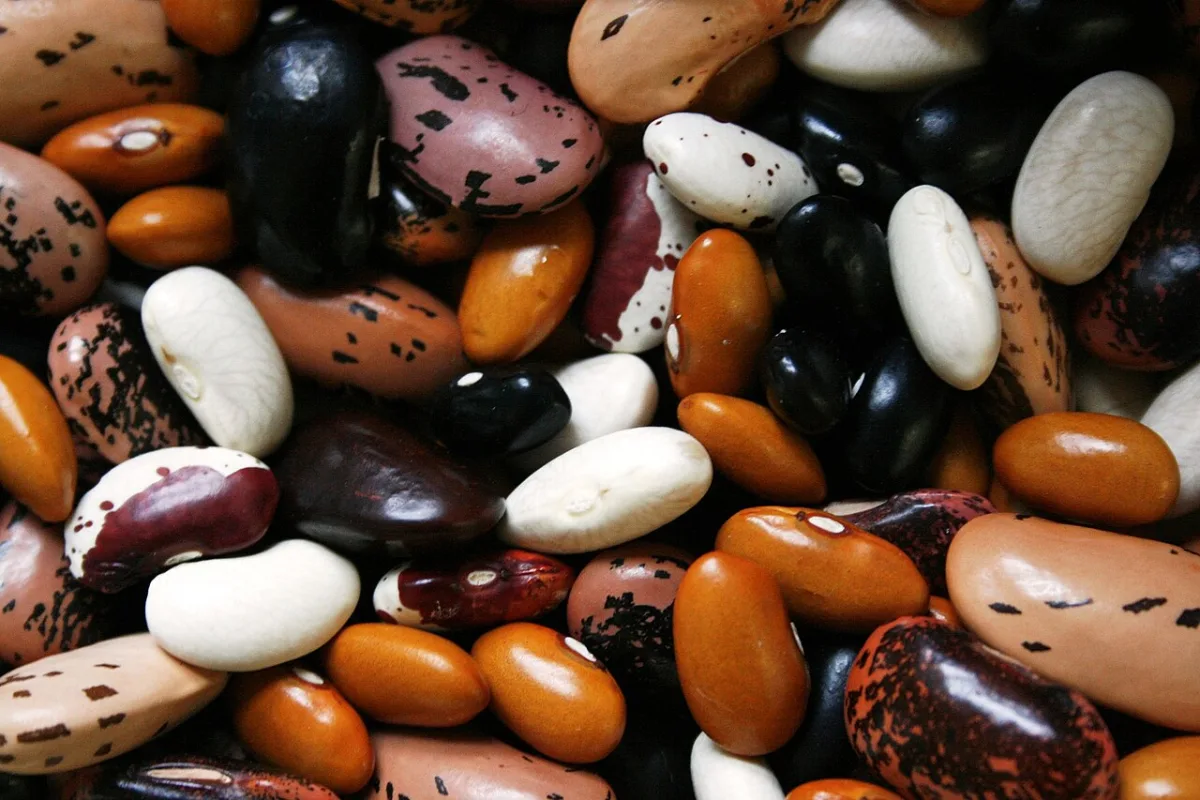
Classification and economic importance of cereals and grain legumes

The article describes the principles of classification of cereals and grain legumes, and reveals their role in the crop rotation structure. Key biological differences between the first and second groups of cereals are examined for effective planning of agrotechnologies