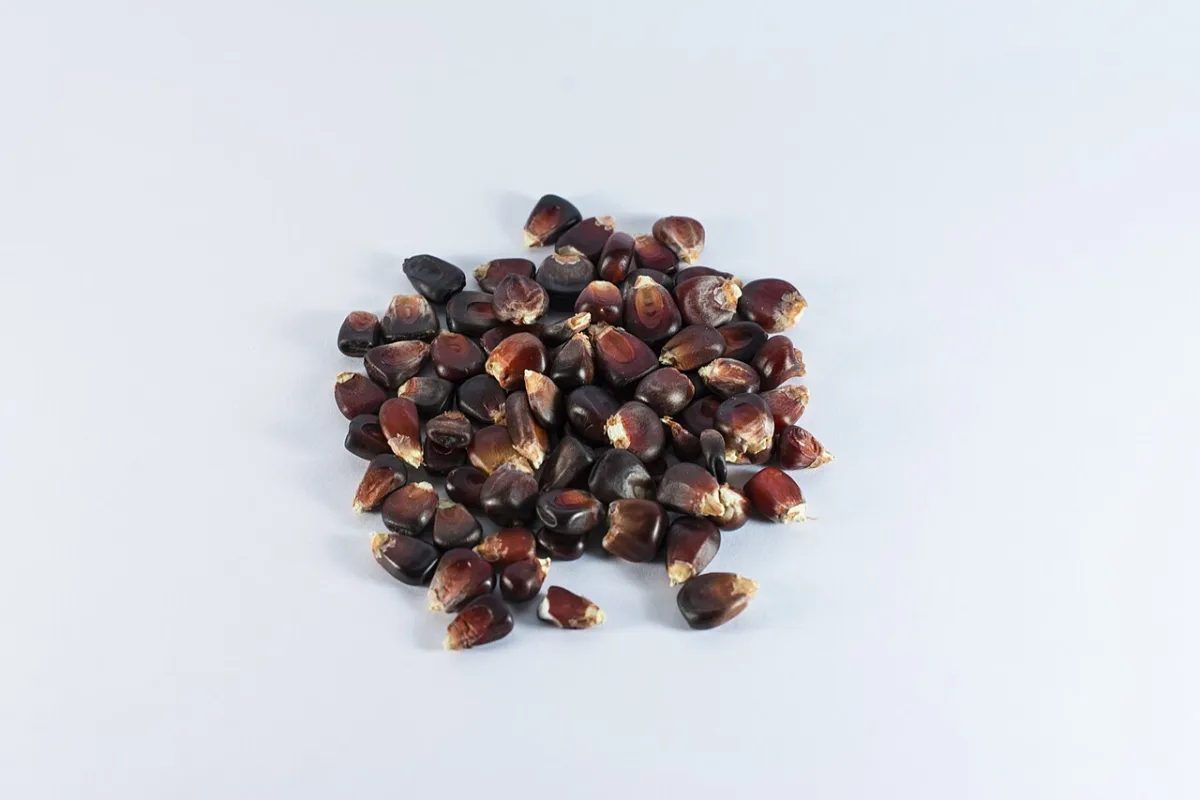
Maize occupies a special place in modern crop production, being one of the most significant crops in the millet group. Understanding its biological characteristics and economic potential is essential for every agronomist for effective crop rotation planning and obtaining stable yields. The high productivity of this crop directly depends on the competent organization of cultivation processes, starting from soil preparation and ending with the choice of protection methods against common threats.
In this collection, we have gathered expert materials covering key aspects of maize cultivation. You will learn about the technological subtleties of field tillage after harvesting cereal crops to prevent drying out and to control weeds. Special attention is paid to protecting crops from the European corn borer — a pest that poses a serious danger to the harvest. The articles contain an analysis of the application of modern insecticides, such as chlorantraniliprole, which will help specialists and plot owners make informed decisions when organizing a plant protection system.