Crop · 26 articles

Leguminous crop

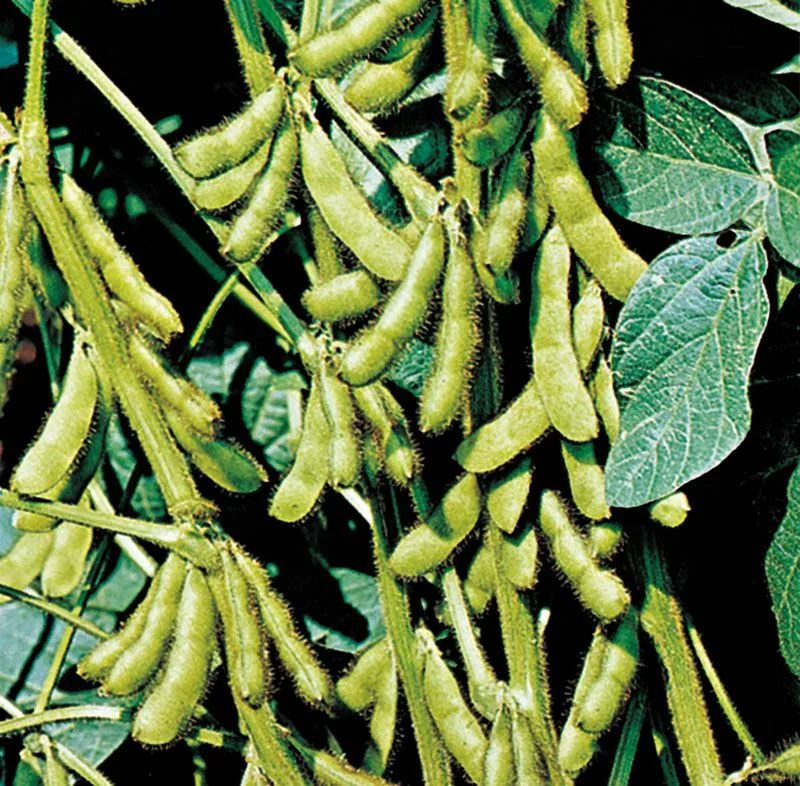
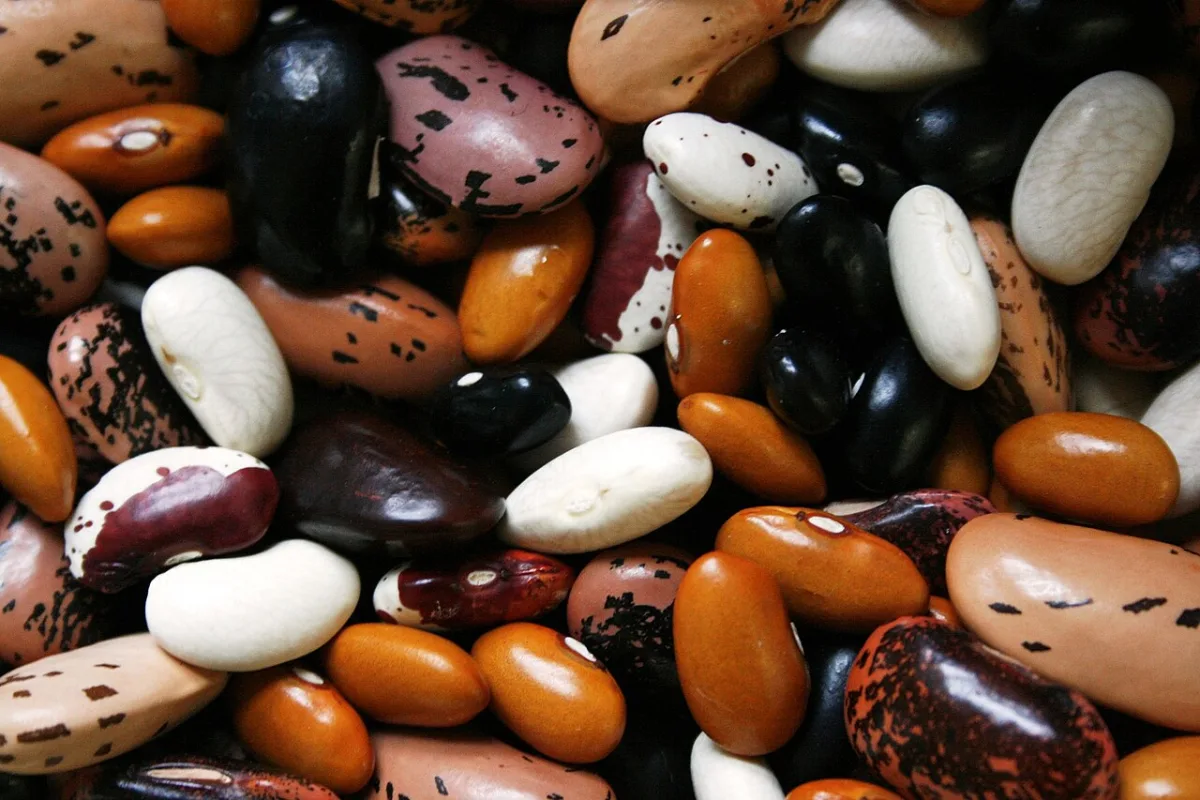
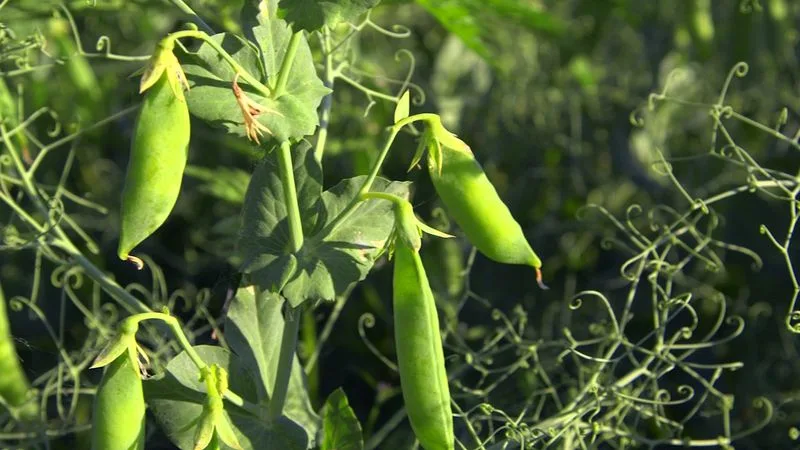
Legume crops occupy a central place in modern plant production, serving as a vital link in the food and feed base. Their key biological feature is the ability to form a symbiosis with nodule bacteria, which allows plants to fix nitrogen from the air, significantly increasing soil fertility. For agronomists and gardeners, these crops are valuable not only as an independent source of harvest but also as the best predecessors for winter cereals, though they require a specific approach to tillage and nutrient management.

This collection gathers the theoretical and practical material necessary for the successful cultivation of legumes. Readers will find information here on botanical classification, the specifics of seed germination, and plant structure. Particular attention is paid to agrotechnics, methods of optimizing mineral nutrition, calculating the nutrient balance, and conserving humus. We also reveal the role of secondary nutrients, such as sulfur, and the impact of balanced nutrition on carbohydrate accumulation and product quality. The materials cover both applied recommendations for home gardens and the fundamental agrochemical principles that underlie effective farming.

Vegetable growing For gardeners

Agrotechnology for cultivating grain legumes in a home garden

Legume crops enrich soil fertility with nitrogen and are valued for their high protein content. The article covers the rules for seed treatment, fertilizer application, and temperature conditions necessary for successful cultivation of peas, beans, and fava beans

Crop production For students

Classification and economic importance of cereals and grain legumes

The article describes the principles of classification of cereals and grain legumes, and reveals their role in the crop rotation structure. Key biological differences between the first and second groups of cereals are examined for effective planning of agrotechnologies

Poultry For agronomists

Characteristics and application features of grain feed in poultry diets

Grain crops form the energy basis of a poultry diet, however, their effectiveness depends on the correct selection of additives and the quality of the raw materials. The article discusses key features of using cereals and grain legumes, as well as important limitations when formulating a balanced diet

Agrochemistry For students

Optimizing mineral nutrition of vegetable crops and potatoes

To increase the yield and quality of vegetables, it is necessary to regulate the composition of fertilizer depending on the biology of a specific crop and soil conditions. The article provides information on the chemical composition of vegetable plants and potatoes, which is important for the proper management of agricultural crop nutrition

Agrochemistry For students

Agrochemical foundations for designing a crop nutrition system

An effective fertilizer system requires consideration of plant biological requirements, soil properties, and nutrient uptake dynamics. The article examines key factors that allow for the accurate calculation of application rates and timing to maximize yield.