Crop · 7 articles

Grapevine

Grapevine is a complex perennial plant that requires a deep understanding of its biological rhythms, morphology, and mechanisms of adaptation to the environment. For successful crop cultivation, an agronomist and a gardener need to consider many factors: from the physiological processes of bud development to the influence of terrain on vine productivity. Knowledge of the growth patterns of this plant allows one not only to forecast the future harvest but also to effectively develop a long-term strategy for plantation maintenance.

This collection brings together practical materials covering key aspects of working with a vineyard. Readers will find expert recommendations on soil preparation, including deep ploughing technologies and methods for combating soil compaction. The articles also provide a detailed analysis of resource provision issues: modern approaches to subsurface irrigation and diagnostic methods for determining plant mineral nutrient requirements. This knowledge will help optimize agrotechnical operations and ensure the stable development of grape plantings under various growing conditions.

Viticulture For agronomists

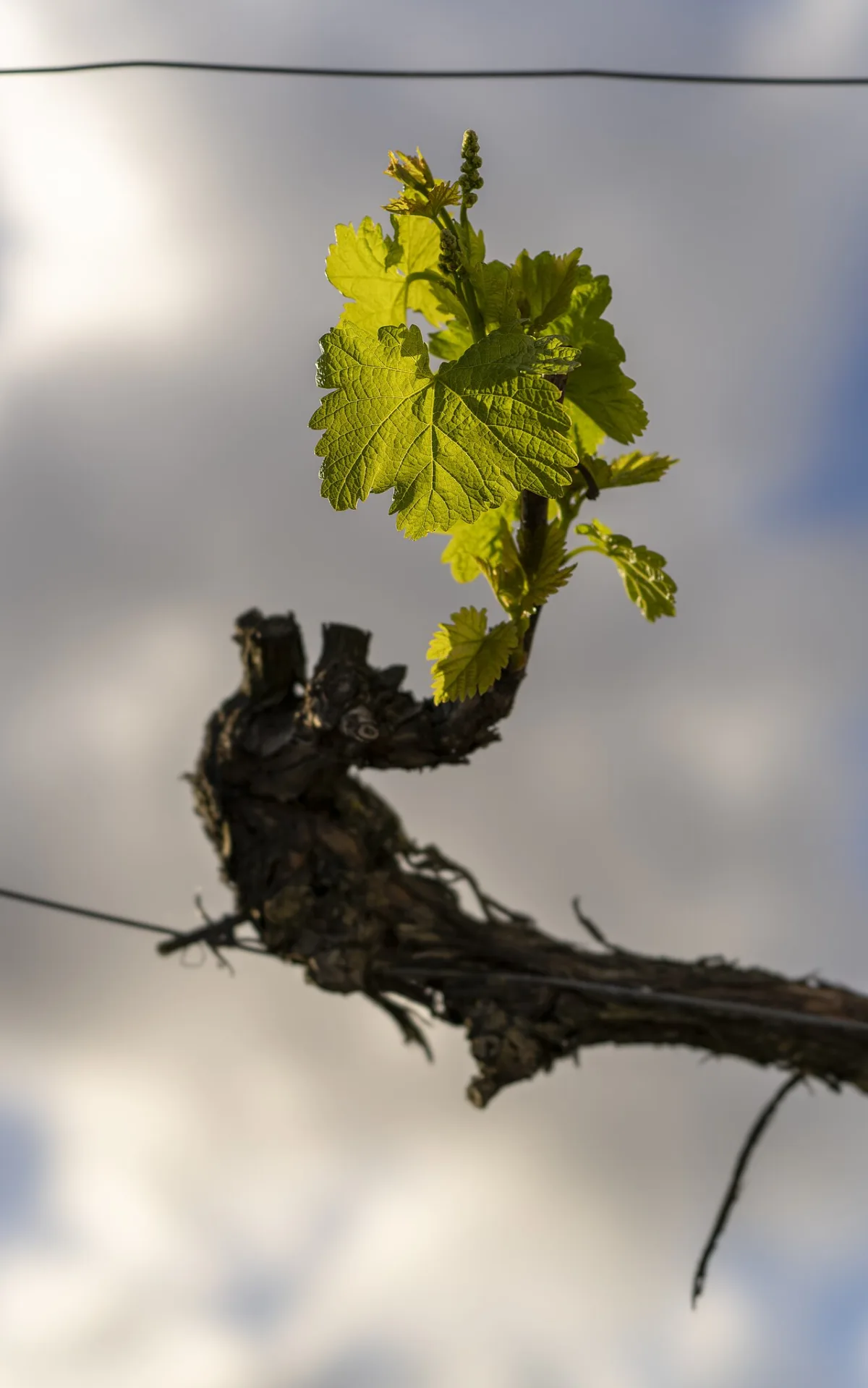
Biological features and types of buds of the grapevine plant

Grapevine buds are growth points where the organs of a future plant are initiated. The article describes the biological features of lateral buds, overwintering buds, and latent buds, as well as the mechanisms of their development and shoot formation

Viticulture For agronomists

Diagnostic methods for the mineral fertilizer requirements of grapes

The article examines key methods for determining the mineral nutrition level of grapes, including visual methods, injections, laboratory research, and soil analysis. The author analyzes the possibilities and limitations of each approach in the context of modern viticulture.

Viticulture For agronomists

Renewal of soil tillage by deep loosening of vineyard inter-rows

Regular deep loosening of the soil in vineyard inter-rows allows for compensating for soil compaction caused by machinery and stimulates the development of the root system. This method ensures optimal moisture accumulation and the long-term maintenance of the productivity of fruiting plantings.

Viticulture For agronomists

The influence of relief and altitude on viticulture

The article examines the influence of vertical zonation and relief features on grape growing conditions. You will learn how altitude and slope aspect regulate the thermal regime, the growing season, and the quality indicators of the harvest.

Viticulture For agronomists

Technology of trench tillage for vineyard establishment

Trench ploughing is a mandatory stage in vineyard establishment, ensuring the formation of a robust root system and optimal conditions for the long-term productivity of the vines. The article examines the main methods of tillage and the specifics of their application depending on soil and climatic conditions.