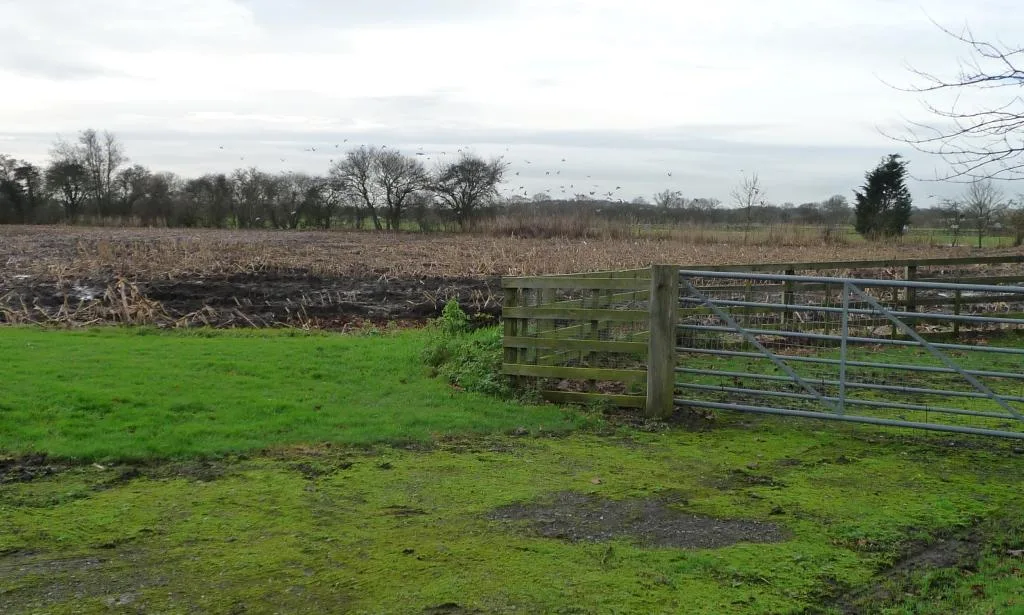
The arable horizon is the active top layer of the soil, the condition of which directly determines the productivity of agricultural crops and the efficiency of plant cultivation. The water-air regime, the availability of nutrients, and the development of the root system of plants depend on the quality of the physical structure, density, and composition of this layer. Proper soil management requires an integrated approach, combining mechanical tillage methods, competent application of fertilizers, and land reclamation measures aimed at optimizing the chemical and physical properties of the soil.
This collection gathers expert materials covering key aspects of soil fertility management. Readers will find recommendations on primary and secondary tillage methods, including the specifics of soil preparation for spring, vegetable, and fruit crops, as well as the nuances of working after row crops. In addition, the articles cover issues of chemical reclamation of acidic soils, the application of organic fertilizers, the impact of crop rotation, and modern requirements for farm management under specific conditions. This material will help you gain a deeper understanding of the processes occurring in the arable layer and choose the most effective technological solutions for increasing the yield on your plot.