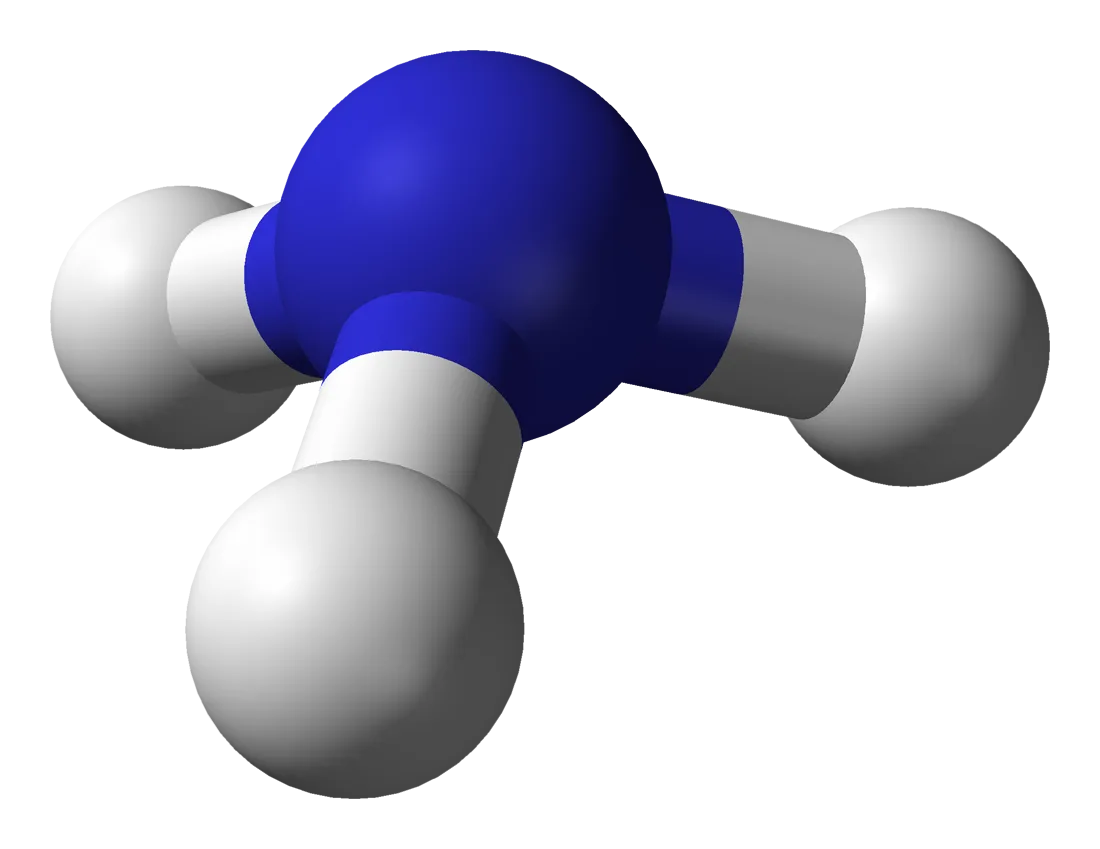
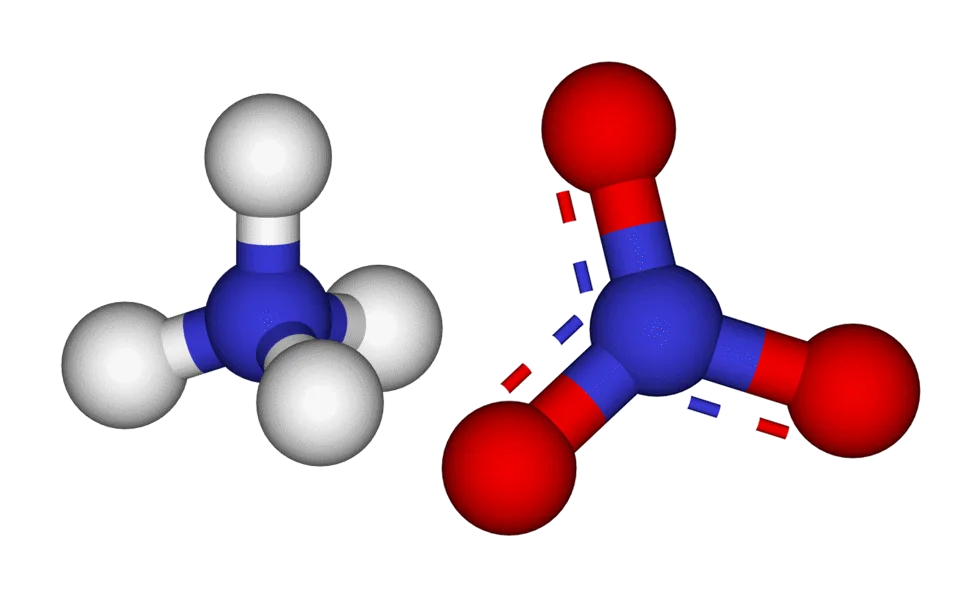
Ammonia and its derivatives play a central role in the modern agrochemical cycle, acting as the primary source of nitrogen nutrition for agricultural crops. Understanding the chemistry of nitrogen compounds, the mechanisms of their transformation by soil microflora, and the physiological characteristics of plant uptake is essential for developing an effective fertilizer system. Competent management of these processes allows not only for increasing yield but also for the rational use of resources, taking into account soil type and the specifics of particular crops.
This selection contains materials covering the entire journey of nitrogen fertilizers: from industrial production technologies for nitrophos, ammophos, and ammonium sulfate to practical recommendations for their mixing, transportation, and storage. Readers will find information on fertilizer classification and application regulations, including the use of calcium cyanamide on acidic soils. The articles also cover topics of carbon nutrition, the influence of air composition on crop productivity, and methods for optimizing microclimate, which together form a deep understanding of effective nutrient environment management in agronomy.