
Selecting the grapevine training system for different climatic zones
4 min read
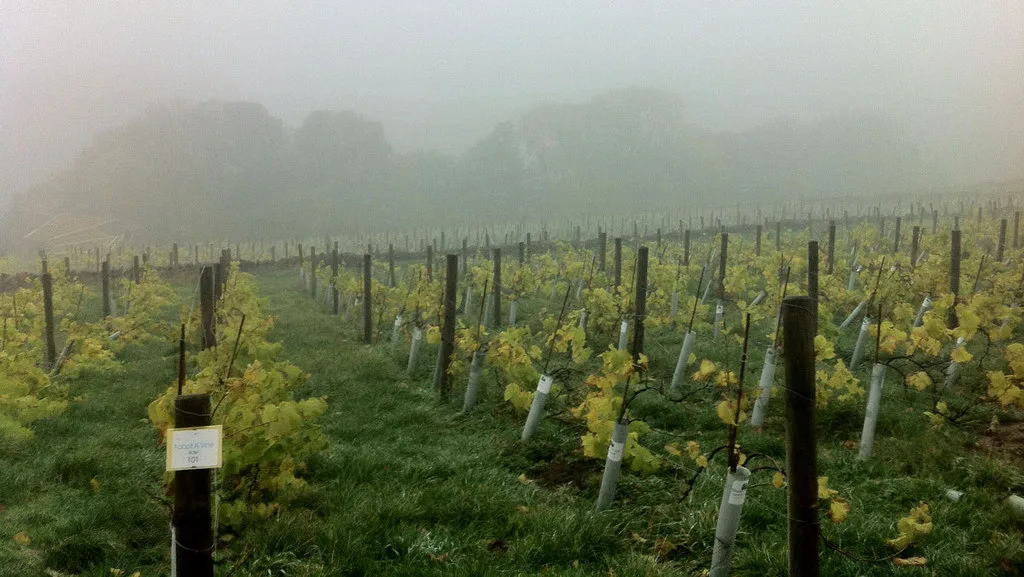
The structure of a grapevine directly influences leaf area, ventilation, and plant illumination. Choosing the correct training system allows for the efficient use of solar energy and the optimization of the hydrothermal regime in the vineyard. Ultimately, this determines growth vigor, yield size, and berry quality.
The grapevine structure must meet key requirements: correspond to the cultivar's biology, protect against climatic risks, allow for easy rejuvenation of arms without loss of yield, and be suitable for mechanized operations.
How to select a training system for vineyard conditions
When selecting a grapevine training system, one must consider the cultivar's growth vigor, its intended use, soil type, and topography. On fertile soils and under irrigation, large vines with a high volume of perennial wood and annual shoots are formed. In areas with high humidity and frequent precipitation, the canopy is made sparse, with long arms on a high trunk — this improves ventilation and reduces the risk of disease development.
For vigorous table cultivars (most of which belong to the Eastern eco-geographical group), large fan-shaped or cordon systems are optimal. Low-vigor wine cultivars, especially those of the Western European group, have a smaller habitus. For these, it is advisable to choose small and medium-sized forms with a low volume of perennial and annual wood.
In regions with a hot climate, the vine canopy is positioned at a significant distance from the ground so that the clusters do not overheat from the scorching soil. In zones at risk of spring frosts, as well as in regions where winter protection is required, low-trunk or trunkless long-arm structures are used. Thanks to this, the vine canopy is placed away from the soil surface, where temperature drops to its lowest due to radiation.
Training vines in different climatic zones
In non-protected viticulture zones, it is advisable to use high-trunk systems with an increased plant nutrition area. Such technology allows for the formation of robust vines, improvement of berry quality, and a 30% reduction in production costs. Under these conditions, all types of cordons (except ground and inclined), trellis systems (except inclined), as well as high-trunk fan, goblet, and head-trained forms are suitable.
- Row spacing for high-trunk systems — 3–4 m
- Distance between vines in a row — 1.5–2.5 m
- Reduction in labor and resource costs — by 30%
| Viticulture climatic zone | Recommended training systems |
|---|---|
| Non-protected zone | High-trunk (fan, goblet, head-trained), cordons (except ground and inclined), trellis (except inclined) |
| Protected zone | Trunkless or low-trunk (ground) with inclined flexible arms: fan (except high-trunk), semi-fan, head-trained, goblet, ground cordons, inclined trellis and cordon |
| Semi-protected (conditionally protected) zone with unstable weather | Combined forms |
The training method is influenced by the planting technique (using a hydro-drill or in pits) and phylloxera risk. For grafted and own-rooted (non-grafted) grape crops, the training schemes for the trunk and arms will differ.
Developing the vine skeleton until full fruiting is a multi-year process. Depending on the chosen type, grape growers form a semi-fan, horizontal bilateral cordon, or high-trunk fan form using lateral shoots. In this process, the main pruning is performed in spring, while during the spring-summer period, the vines are trained using green operations.
- Development of a long-term plan for the training system specific to the plot.
- Spring pruning for the gradual development of the perennial skeletal structure.
- Spring-summer green shoot operations: thinning of excess shoots, tying, pinching, and shoot tipping.
- Decapitation of shoots to regulate their growth and branching.
- Annual training of workers in the vineyard's standard vine management system.
Read next
Viticulture For agronomists
Classification and formation features of grapevines in viticulture
Viticulture For agronomists
Biological principles and rejuvenation methods for aging grapevines
Viticulture For agronomists