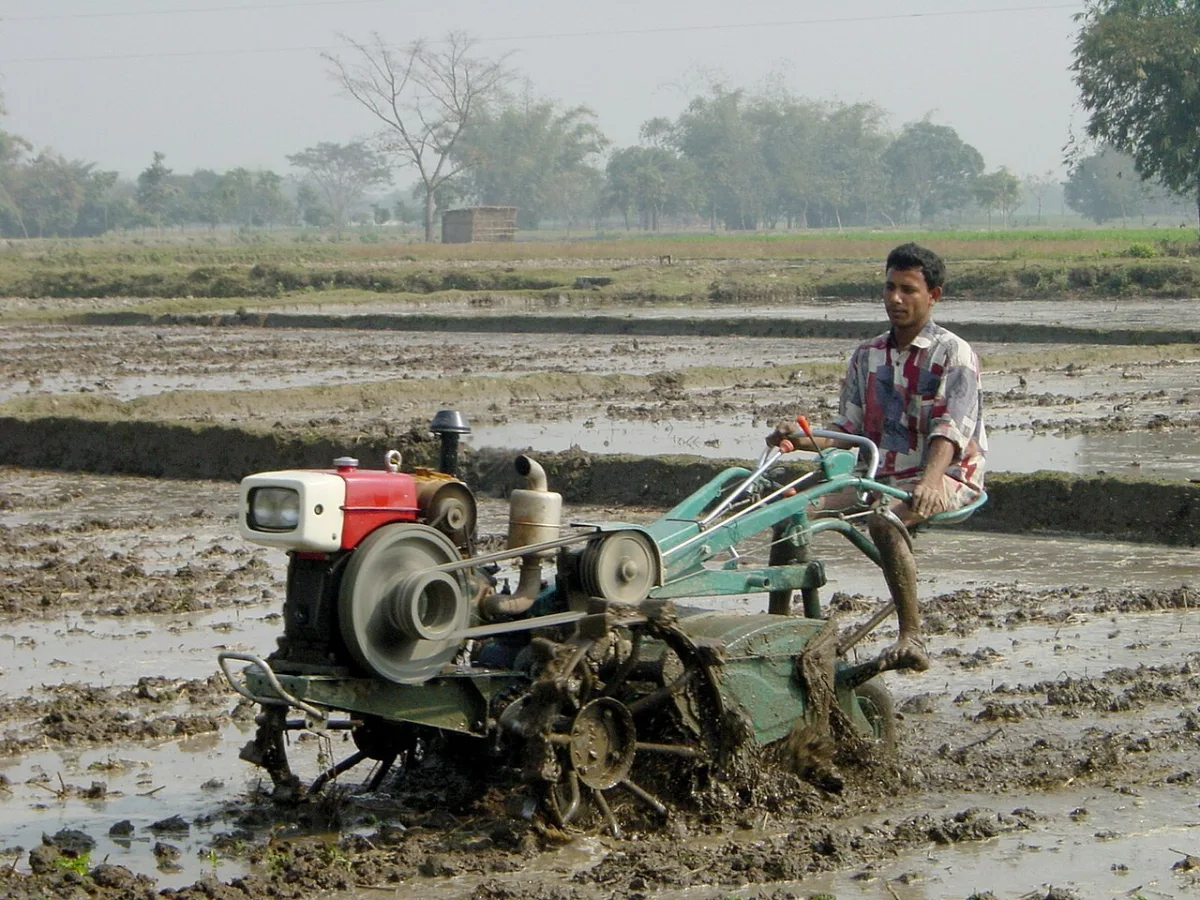
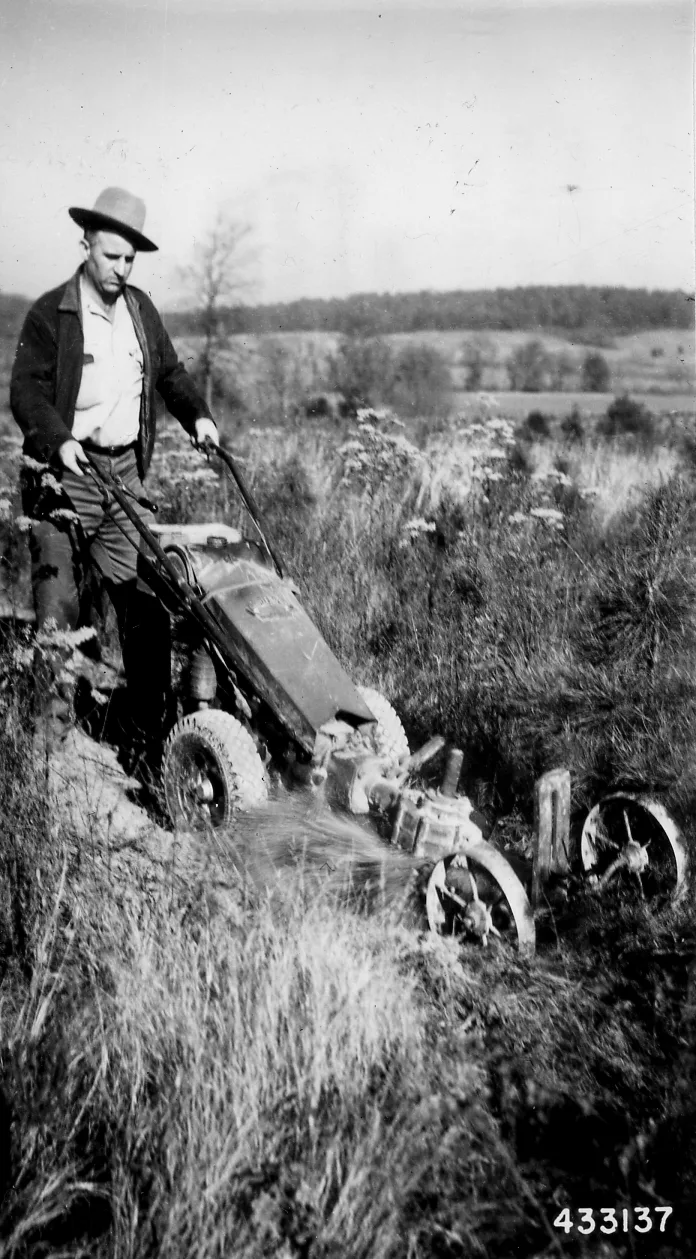
Mechanical tillage remains the foundation of agriculture, determining both the physical condition of the topsoil and the productivity of future harvests. Soil density, its porosity, and the structural resistance to degradation depend directly on the efficiency of agrotechnical practices. Understanding these fundamental processes allows agronomists and land owners to find a balance between the necessity of seedbed preparation and the preservation of soil fertility, preventing the degradation of soil structure during intensive use of agricultural implements.
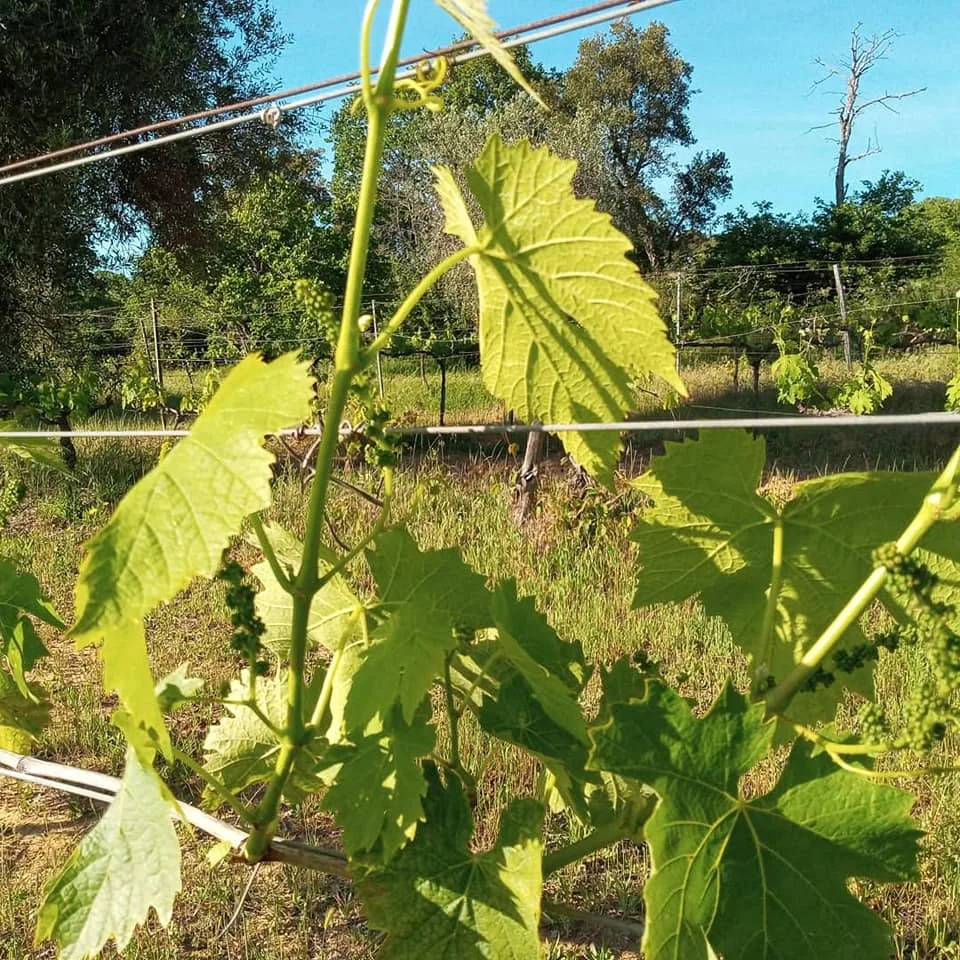
In this selection, we have traced the development of tillage technologies: from ancient hoeing tools to modern scientific principles of land management. The materials cover issues related to the impact of mechanical action on the physical properties of the arable horizon and the mechanisms of soil aggregate destruction. Furthermore, the section is supplemented with practical aspects of phytotechnics, in particular, the rules for tying grapevines as an important tool for managing plant development. These articles will help readers systematize their knowledge of tillage and more effectively apply agrotechnical methods in practice.