
Biological principles and rejuvenation methods for aging grapevines
4 min read
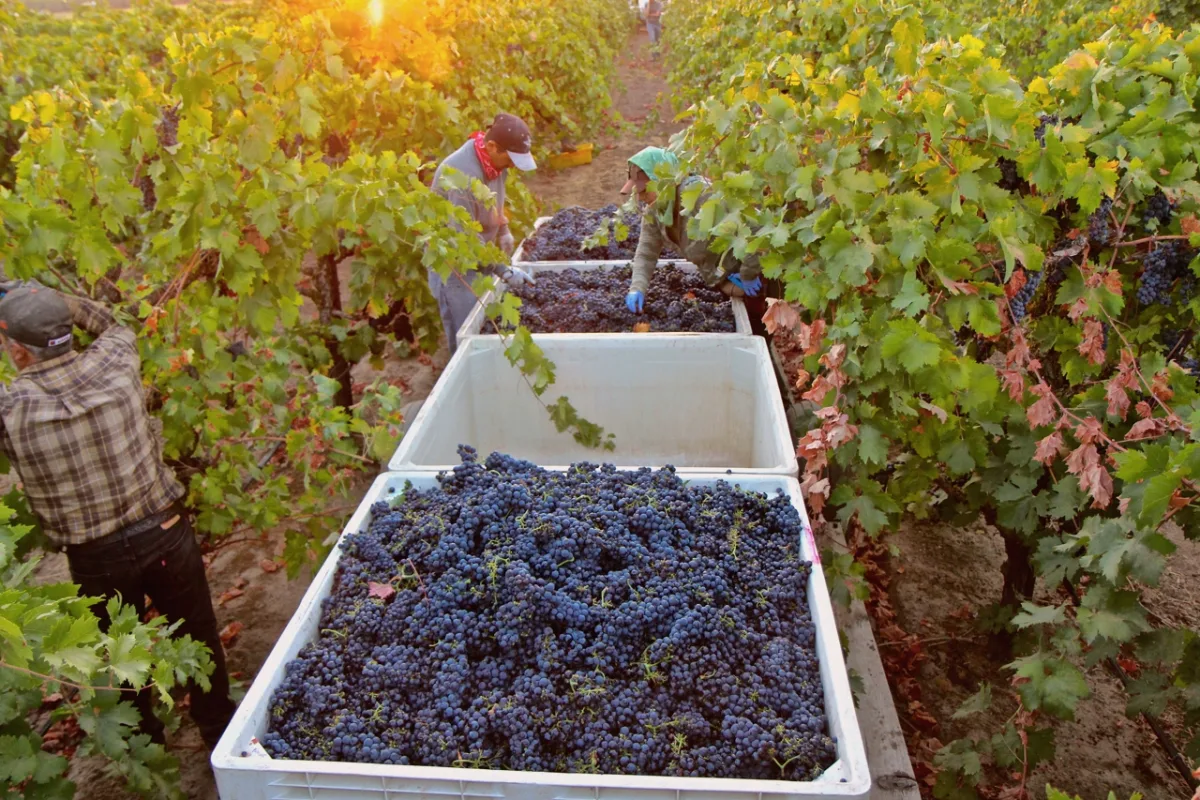
As the grapevine ages, irreversible changes occur in its conductive tissues. Resinous substances and gum are deposited in the heartwood and xylem, clogging the vessels, while dead heartwood expands inside the trunk. This reduces the number of living cell layers in the conductive tissues, disrupting the connection between the root system and the leaves. Water and nutrients reach the canopy less effectively, while the roots receive insufficient plastic substances, slowing down the synthesis of carbohydrates and proteins. As a result, shoots lose length and diameter, their fruiting capacity declines, and the arms and the entire vine become low-productive.
The aging rate of grapevine organs varies and depends directly on growing conditions. While in the wild, a liana can self-rejuvenate by shedding old trunks and growing new shoots from lower dormant buds, in cultivation, this process is regulated by the agronomist through pruning. Grapevine plants are capable of fruiting for over 100 years, but due to high production load, their effective lifespan in a vineyard is reduced. Proper care, protection from frost and disease, and timely pruning help extend the period of maximum productivity of the plantings.
- Service life of arms in the covered zone — 5 years
- Service life of arms in the uncovered zone — 15 years
- Service life of the trunk and underground part — from 30–50 years
- Full fruiting period of the vine — 20–40 years
- Service life of the vine under high load — 10–15 years
| Type of grapevine organ | Lifespan (years) |
|---|---|
| Arms (covered zone) | 5 |
| Arms (uncovered zone) | 15 |
| Trunk and underground trunk | 30–50 or more |
Under unfavorable wintering conditions or damage by bacterial necrosis, individual sections of the arms may age and become unusable as early as the 2nd year of life.
Technological methods for vine rejuvenation
To restore the connection between the above-ground and root systems, two pruning methods are used: partial or complete rejuvenation of the vine. In partial rejuvenation, only outdated arms are replaced, using water sprouts or vigorous shoots. Old branches are removed only after new arms with fruit-bearing links are fully formed.
Vine rejuvenation is carried out sequentially so that arms of different ages remain on the plant simultaneously — this allows for avoiding a sharp drop in yield. In trunk-based forms, replacement shoots are grown in advance, as forming a new trunk takes time. In regions where arms age rapidly due to frost and bacterial necrosis and require replacement every 2–3 years, rejuvenation spurs are intentionally left on semi-fan and fan-shaped structures: one of the shoots developed on them is used to replace the arm, while the second is cut short again.
Complete rejuvenation, or pruning "to the black head," is used for radical restoration of the vine's skeleton. This procedure allows for regrowing the above-ground part using the preserved healthy root system. It is recommended to perform this when shoot growth decreases critically and the overall productivity of the plants falls.
- Cut off the entire above-ground part of the vine down to the underground trunk.
- Grow new shoots: basal shoots in own-rooted vineyards, or water sprouts in grafted ones.
- Form a new skeleton of the vine over 2–3 years, accelerating the process by pinching.
If heartwood has developed too much in the underground trunk and the living sapwood has a critically small diameter, it is useless to carry out rejuvenation. In such cases, it is more efficient to grub up the vineyard and replant it.
Read next
Viticulture For agronomists
Classification and formation features of grapevines in viticulture
Viticulture For agronomists
Recovery of vineyards after frost and protection against freezing temperatures
Viticulture For agronomists