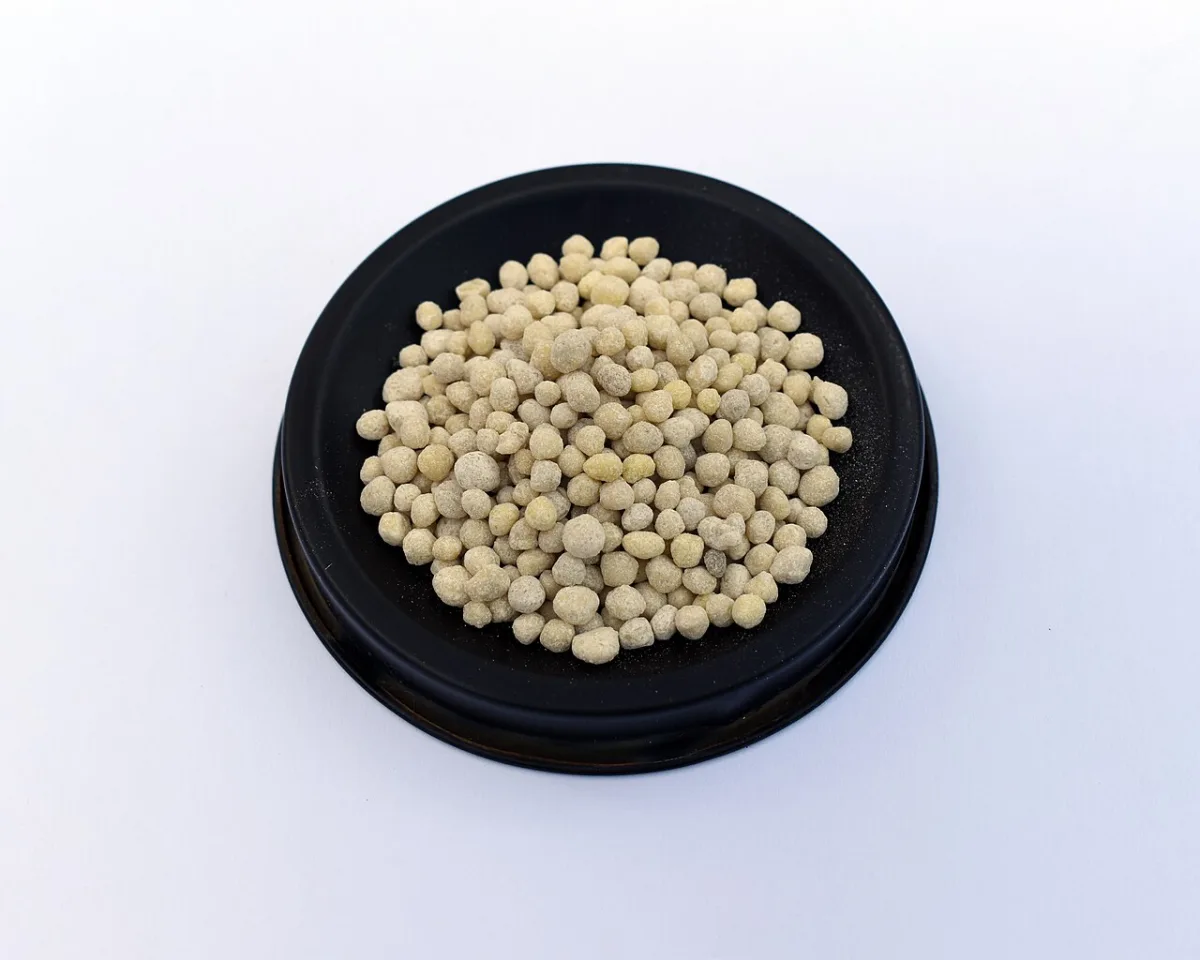
The soil solution is a complex liquid phase of the soil that serves as the primary source of water and mineral nutrients for plants. The processes of nutrient uptake by the root system, the effectiveness of fertilizer application, and the overall intensity of biological activity in the soil directly depend on its composition, concentration, and reaction (pH). Understanding the dynamics of interaction between the components of this phase and the soil adsorption complex is essential for maintaining soil fertility and ensuring stable crop yields.
This selection contains materials covering both fundamental and applied aspects of agrochemistry. Readers will find information on the impact of acidity and the composition of the soil solution on plant development, methods for optimizing the nutrition of vegetable crops and potatoes, and strategies for the application of various types of fertilizer. Furthermore, the articles examine the role of the air regime, water balance, and light in physiological processes, as well as the fundamental significance of carbon and ion exchange in the formation of agrocenosis productivity. These data will help specialists and plot owners make informed decisions regarding the management of mineral nutrition and the improvement of production efficiency.