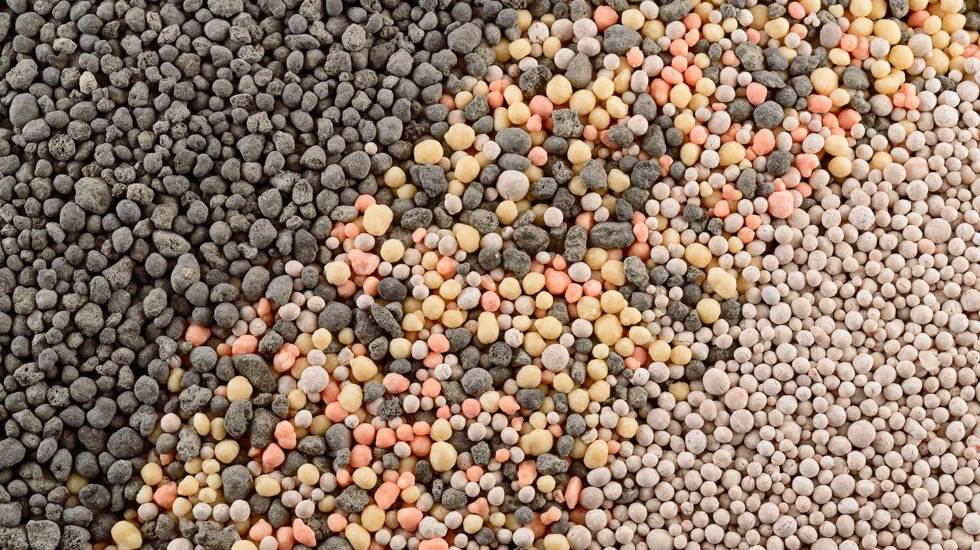
Organic fertilizers are the basis for restoring soil fertility and establishing a non-deficit humus balance in intensive farming conditions. For agronomists and home gardeners, the importance of their application lies in the complex impact on soil structure, plant nutrition, and the overall productivity of agrocenoses. Incorporating organic matter into the crop nutrition system allows for effective management of plant growth, optimization of yield indicators, and maintenance of soil health in both open ground and greenhouses.
This collection gathers materials covering a wide range of topics: from the characteristics and application rates of manure, poultry manure, and vermicompost to the specific nutrition requirements of crops such as tomatoes, potatoes, and ornamental plants. The articles also touch upon highly specialized subjects, including agrochemical analysis of greenhouse substrates, soil liming methods, phytosanitary soil protection, and environmental risk issues. Readers will find practical recommendations for optimizing fertilization systems that will help balance plant nutrition and increase the quality of the produce while adhering to the principles of sustainable land use.