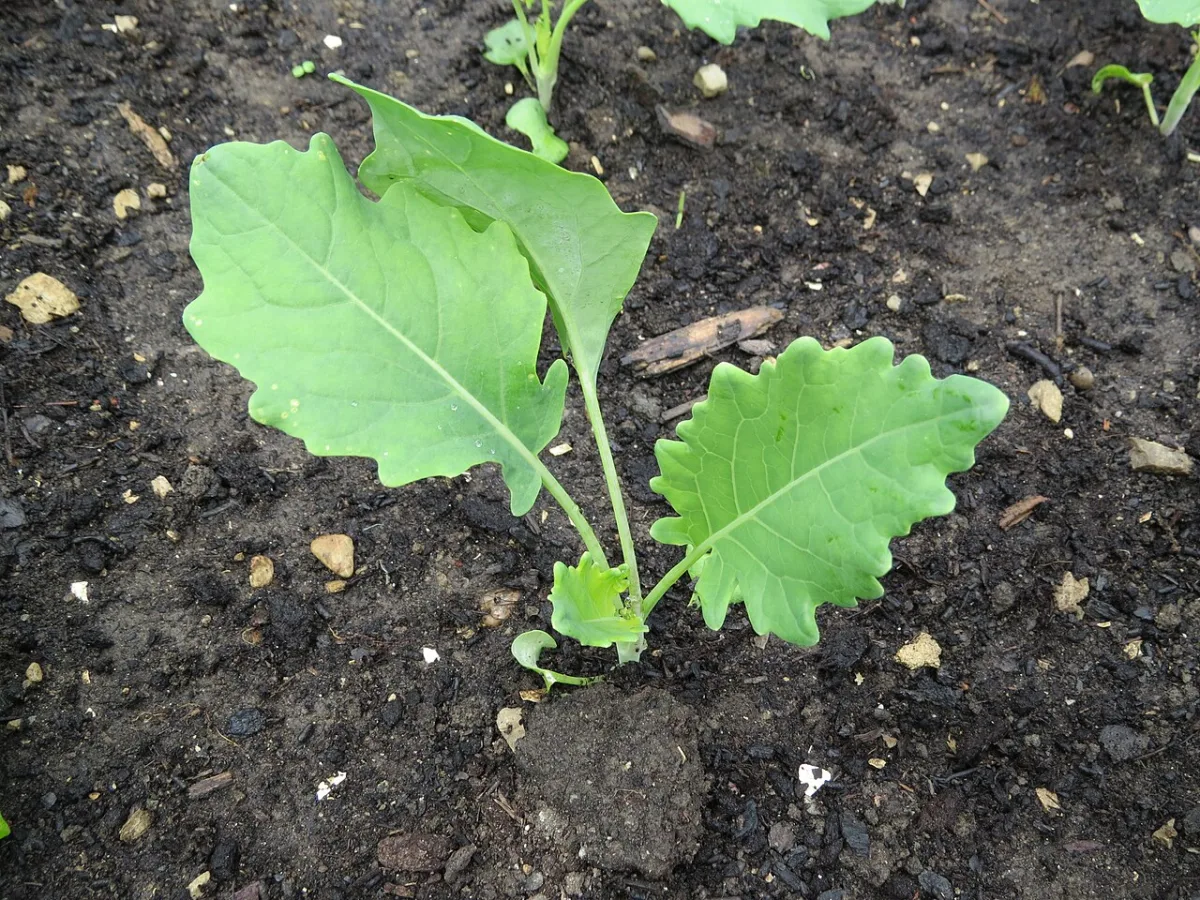
Nitrogen is a key plant nutrient that determines the growth dynamics of crops and the overall level of soil fertility. For agronomists and land owners, understanding the nitrogen regime is of critical importance, as this element is the most susceptible to transformations in the soil environment. The efficiency of plant production directly depends on the correct choice of fertilizer forms, the ability to manage their application processes, and the consideration of the chemical properties of the substrate, which allows minimizing nutrient losses and ensuring their availability for the root system.
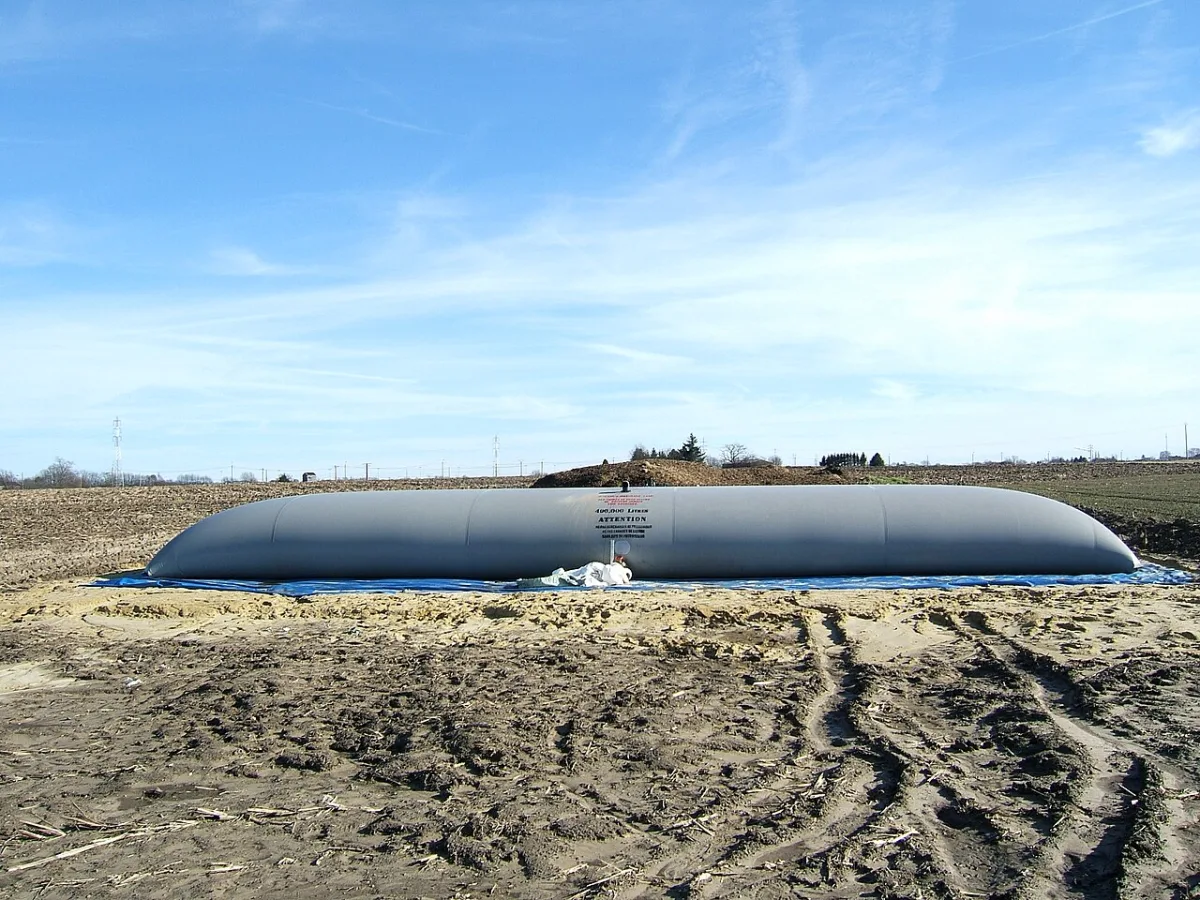
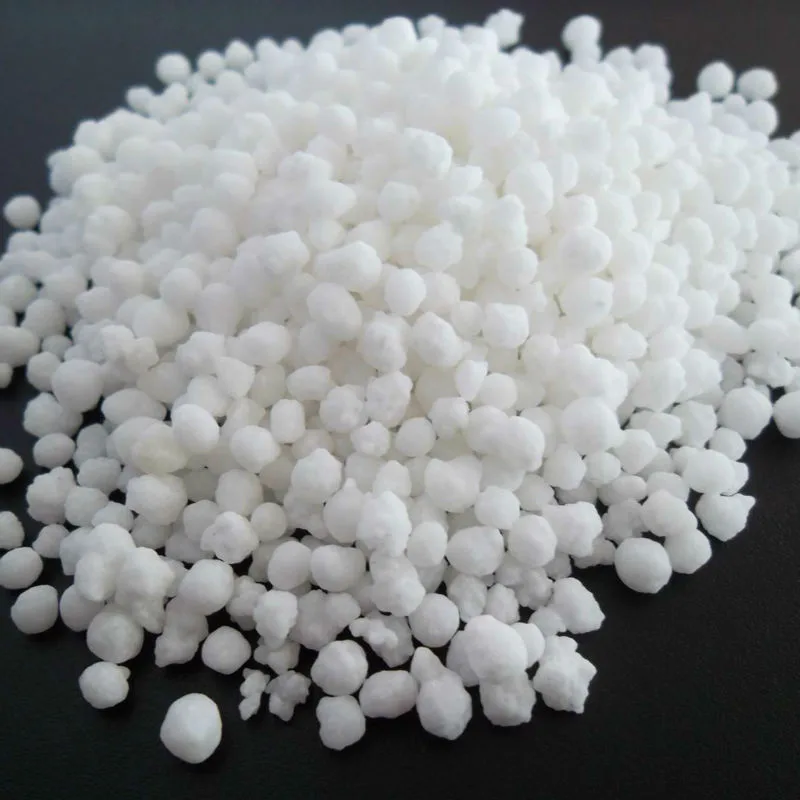
This collection gathers materials covering a wide range of issues: from the theoretical foundations of chemical element transformation in the soil to practical recommendations on using various types of top dressing. Readers will find detailed characteristics of nitrogen, phosphorus, and compound mineral fertilizers, as well as methods of applying organic nutrient sources, such as liquid manure and plant residues. The articles will help to understand the specifics of fertilizer application for different types of farming — from greenhouses to open soil, and will also provide information on modern technologies for producing specialized nutrient substrates.