Concept · 12 articles

Metabolism

Metabolism is a fundamental biological process that ensures the vital activity, growth, and productivity of any agricultural objects, from vegetable crops to poultry. Understanding the mechanisms of metabolism allows agronomists and gardeners to consciously manage the development of plants and animals. Regulating the temperature regime, providing plants with essential mineral elements such as sulfur, carbon, nitrogen, and phosphorus, as well as accounting for the physiological characteristics of organisms are key tools for achieving high results in crop production and animal husbandry.

In this selection, we consider metabolism as a complex of interrelated biochemical and physiological processes. The reader will find materials on the basics of mineral nutrition and the role of vitamins, the influence of phytohormones on development, and the biological compatibility of components during the grafting of fruit crops. In addition, the articles cover issues of poultry physiology: from anatomical constitution and the evolution of housing conditions to the stages of embryo development during the incubation period. The selection concludes with the basics of veterinary nosology, clarifying the nature of homeostasis disorders and the pathogenesis of diseases, which allows for a deeper insight into the problem of maintaining the health of agricultural organisms.

Agrochemistry For students

The biological role of sulfur in plant nutrition and development

Sulfur is a key element for the synthesis of plant proteins and the maintenance of photosynthesis. The article examines the forms of sulfur uptake by plants, its influence on enzymatic processes, and the diagnosis of sulfur deficiency symptoms.

Poultry For agronomists

Classification of poultry constitution and its influence on productivity

Constitution is a combination of anatomical and physiological characteristics of a poultry, which determines its productivity and reaction to the external environment. The article examines the main types of constitution and their connection with the biological characteristics of breeds

Agrochemistry For students

The role of carbon nutrition in increasing crop productivity

Carbon accounts for nearly half of the plant's dry mass, yet its natural atmospheric concentration is often insufficient for high yield. The article discusses mechanisms of CO2 assimilation by crops and practical methods of carbon enrichment in the environment to stimulate active crop growth

Planting and propagation For agronomists

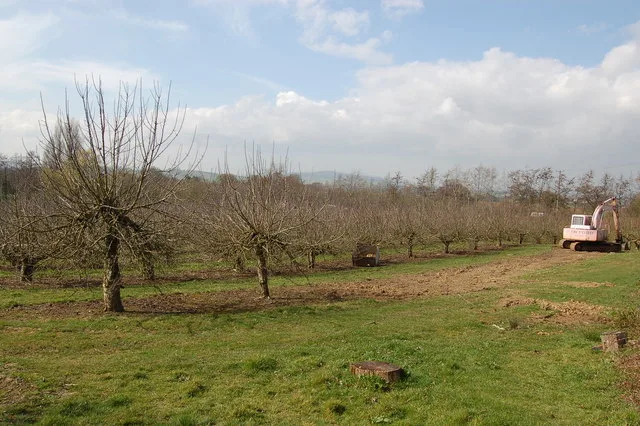
Biological compatibility of scion and rootstock in pomiculture

The article examines the criteria for biological compatibility of grafting components in pomiculture. The authors analyze the nature of incompatibility and prove that botanical proximity of cultivars is not the sole guarantee of successful union.