
The role of mineral nutrients in the photosynthetic activity of plants
5 min read
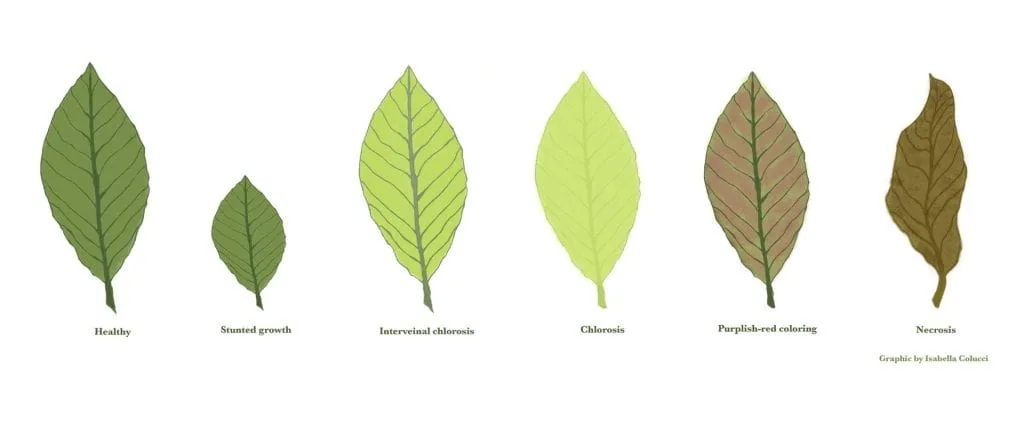
Mineral nutrition of plants determines the activity of their photosynthesis. Nutrients influence this process directly, being components of enzymes and pigments, or indirectly — through metabolism, growth, and the condition of cell cytoplasm. Balanced nutrition supports plant adaptation: their adjustment to changing environmental conditions, from short-term reactions to genetic changes fixed by natural selection. This ensures resistance to various external factors throughout ontogenesis, maintaining the viability of individual plants and the species as a whole.
Nitrogen, phosphorus, and potassium — the basis of photosynthetic activity
Nitrogen influences photosynthesis both directly and indirectly. The direct effect lies in the fact that this element is consumed for the formation of amino acids, which are the products of photosynthesis. The indirect influence is related to the fact that nitrogen is necessary for the biosynthesis of pigments and proteins. Proteins serve as the foundation of the chloroplast structure and function as enzymes that accelerate photosynthetic reactions. Nitrogen is also a component of nucleic acids, which control protein synthesis.
Phosphorus increases the intensity of both light and dark reactions of photosynthesis. Its direct effect is linked to the fact that residues of phosphoric acid are part of the carbon dioxide acceptor and the intermediate products of the process. Furthermore, through the energy of light, ATP is synthesized from inorganic phosphate and ADP, which is required for the reduction of carbon dioxide. Indirectly, phosphorus functions within phosphatides, phosphoproteins, and nucleic acids.
Potassium deficiency rapidly suppresses photosynthesis. This element activates phosphorylation processes directly, and also acts indirectly: it regulates the degree of stomatal opening, increases cytoplasm hydration, and accelerates the outflow of assimilates from the leaves.
Meso- and micronutrients: from the structure of chloroplasts to enzyme function
Meso-nutrients form the basis of the photosynthetic apparatus. Magnesium is a component of chlorophylls, participates in the function of coupling proteins during ATP synthesis, and regulates carboxylation and NADP+ reduction reactions. Sulfur is necessary for building proteins and sulfolipids, and is part of the coupling factor and enzymes responsible for the assimilation of carbon dioxide and redox processes. Calcium maintains the structure of chloroplasts and their functional activity.
Silicon increases the size of the photosynthetic apparatus and improves the function of light "traps" in thylakoids. It enhances the mechanical strength of tissues, protecting plants from lodging. Leaves are positioned vertically and do not shade each other, which increases the overall efficiency of light use by the crop.
Iron in a reduced form is necessary for the synthesis of chlorophyll, cytochromes, ferredoxin, and pheophytin. Its deficiency disrupts cyclic and non-cyclic photophosphorylation, pigment production, and the structure of chloroplasts. For the splitting of water and the release of oxygen, plants require manganese and chlorine. Manganese participates in water photo-oxidation reactions, and its absence blocks the Hill reaction and non-cyclic photophosphorylation.
Other micronutrients perform specific functions in photosynthesis:
- Copper is a component of plastocyanin; its deficiency causes a sharp drop in the intensity of photosynthesis.
- Boron regulates carbohydrate, protein, and nucleic acid metabolism, and is responsible for the synthesis, transformation, and transport of carbohydrates.
- Zinc participates in the creation of zinc protoporphyrin — a precursor to magnesium- and iron-porphyrins.
- Cobalt stabilizes the chlorophyll-protein-lipid complex and accelerates the outflow of photosynthesis products from leaves to stems, roots, and reproductive organs.
- Molybdenum stimulates protein synthesis and increases the concentration of pigments in the leaves.
The release of toxic gases of anthropogenic origin or those emitted from volcanoes into the atmosphere significantly affects plant organisms, and it seems likely that the process of anthropogenic pollution will intensify in the future. The effect of pollutants on plants is a function of a complex combination of meteorological conditions and factors dependent on the plant itself. Changes in the photosynthetic activity of leaves serve as a rapid and sensitive indicator of their damage by environmental pollutants, as their primary target is usually photosynthetic reactions. Atmospheric pollutants and various chemical preparations used to reduce transpiration, as well as to control diseases, pests, and weeds, often significantly decrease photosynthesis. The effect of these compounds on photosynthesis manifests in: 1) clogging of stomata and retardation of carbon dioxide uptake; 2) changes in the optical properties of leaves, resulting in altered reflection and decreased light penetration; 3) changes in the leaf heat balance; 4) changes in leaf metabolism; 5) changes in the anatomical structure of leaves. Furthermore, photosynthesis is decreased under the influence of chemical preparations that cause mechanical damage, chlorosis, browning of leaves, or leaf fall.
Read next
Agrochemistry For students
The effect of plastid pigments and respiration intensity on crop yield
Agrochemistry For students
The role of carbon nutrition in increasing crop productivity
Agrochemistry For students