Concept · 37 articles

Growing season

The growing season is a key stage of a plant's life cycle, covering all phases of active growth and development from the beginning of sap flow to the completion of fruit and seed formation. For an agronomist and a gardener, a deep understanding of this process is the foundation for planning agricultural work. Yield and product quality depend directly on how precisely the balance of nutrients, protection against pests and diseases, and methods of soil tillage are maintained during this period. Knowledge of biological rhythms allows for effective management of crop development, whether it be field cereals, fruit trees, or vegetables.

This selection contains materials covering the practical aspects of the growing season. Readers will find information on technologies for mineral nutrition of vegetable, floral, and grain crops, as well as methods of plant protection against fungal diseases and pests, such as the European corn borer or the Colorado potato beetle. Special attention is paid to the biological characteristics of grapevine and wheat development, as well as criteria for selecting rootstocks and soil management systems in orchards. The provided articles will help systematize the approach to cultivating major agricultural crops and optimize production processes at each stage of the growing season.

Greenhouses and covers For gardeners

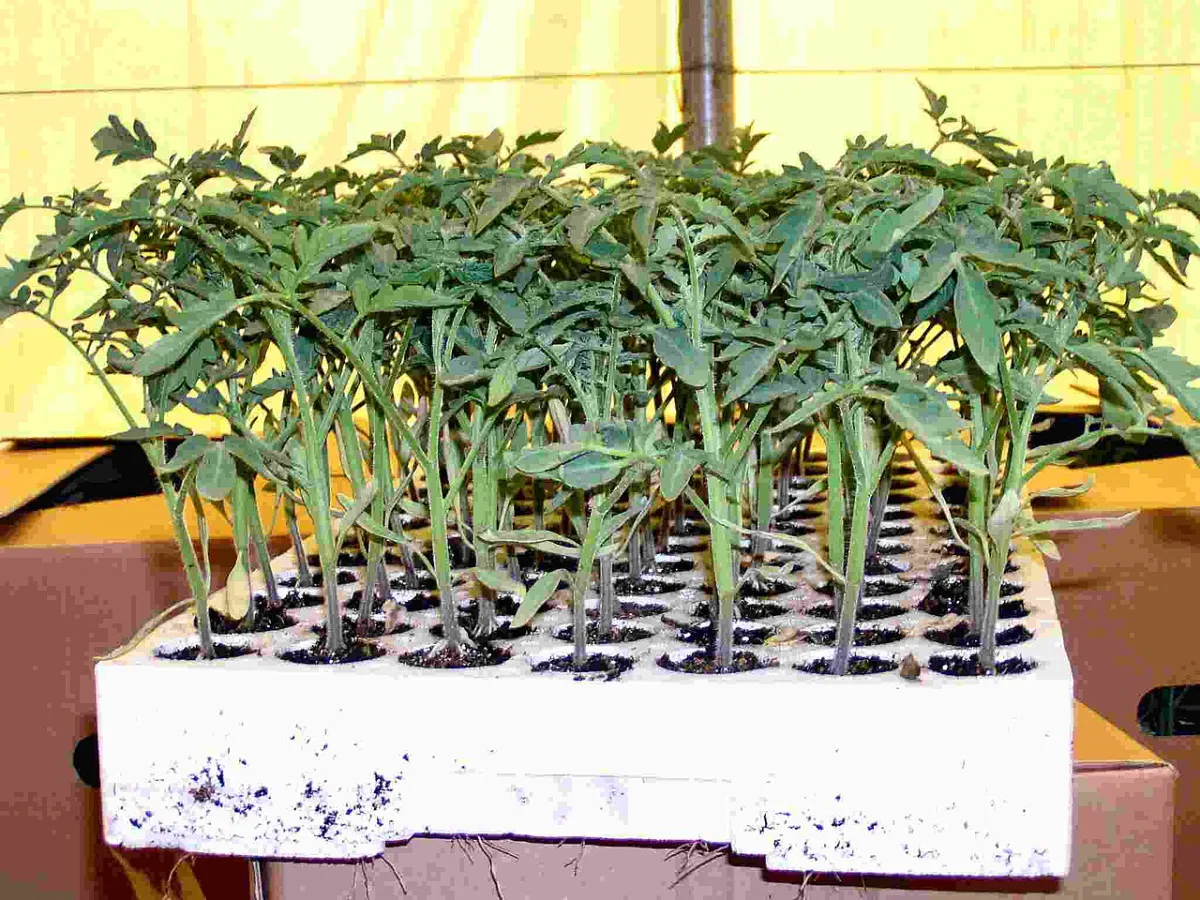
Overview of complex mineral fertilizers and plant growth regulators

The article provides an overview of popular complex fertilizers and principles of using growth stimulants. You will learn how to properly select top dressing for greenhouses and take into account the specifics of biologically active substances

Greenhouses and covers For agronomists

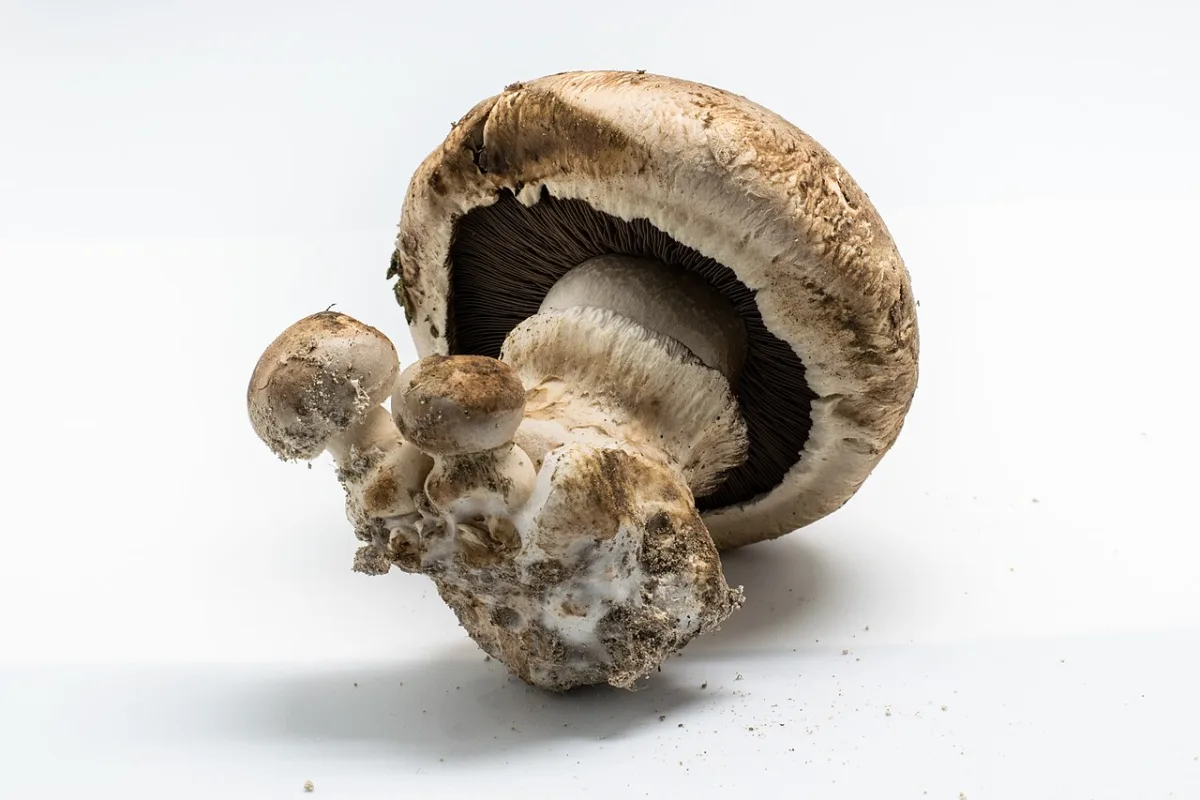
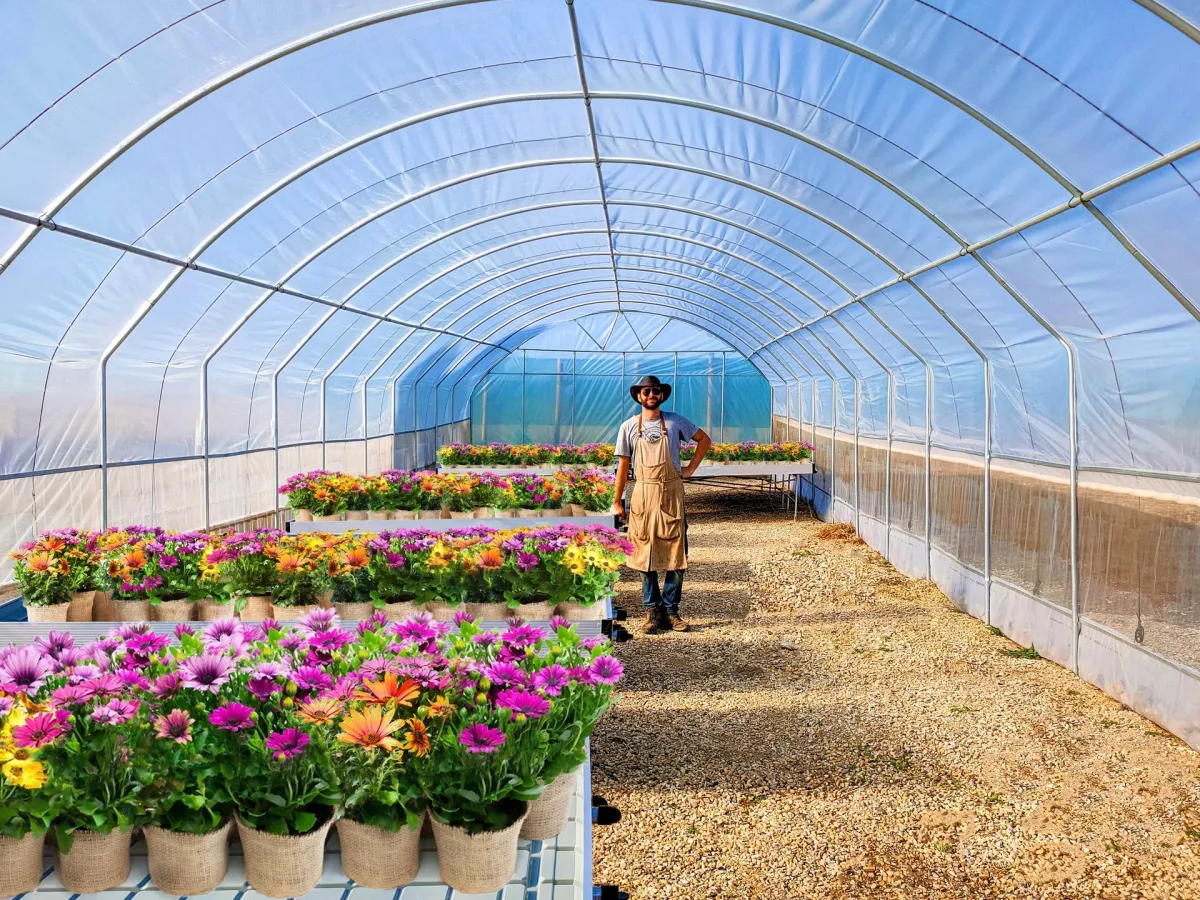
Mushroom cultivation technologies in greenhouses and product storage

The use of greenhouses for mushroom cultivation allows for efficient use of space during the autumn-winter period. The article presents recommendations for placing mycelia, requirements for growing conditions, and harvest storage rates

Agrochemistry For students

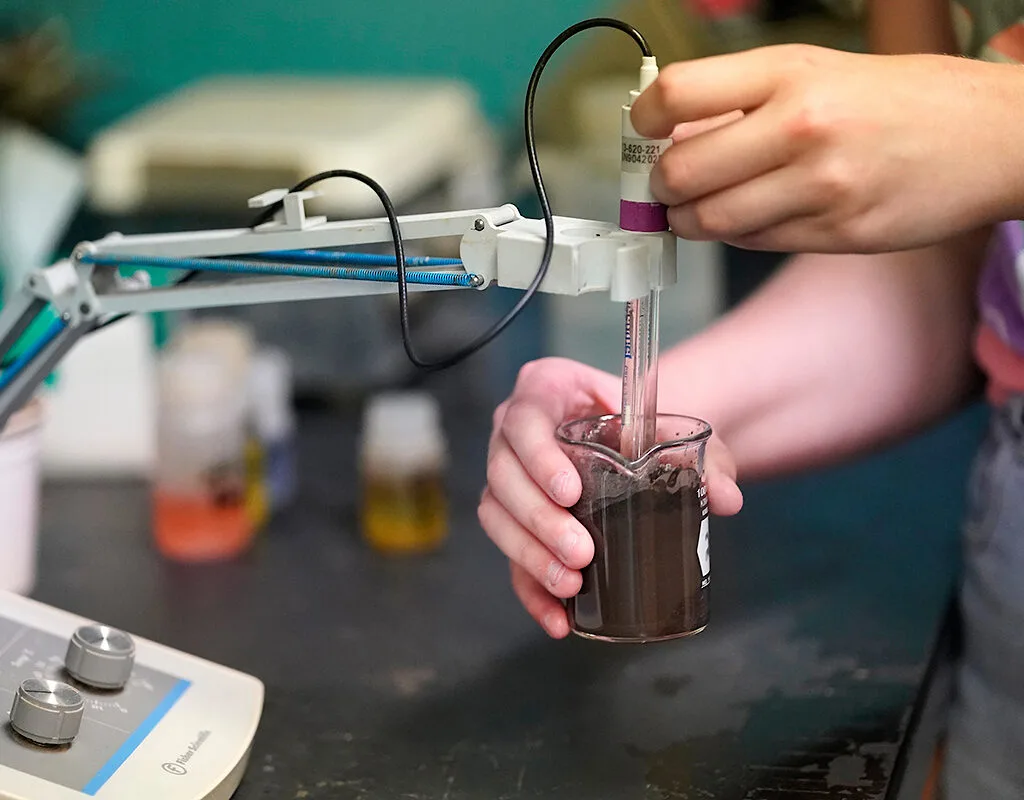
Methods and principles for determining the mineral fertilizer requirements of crops

Rational fertilizer application requires accurate calculation of nutritional doses based on the biological needs of the crop and the availability of elements in the soil. The article examines formulas for calculating nutrient uptake and methods for diagnosing the state of crops to improve the efficiency of top dressing

Plant protection For agronomists

Distribution and harmfulness of net blotch in spring barley

Net blotch, caused by the pathogen Pyrenophora teres, is a major threat to spring barley crops. The article examines the biological features of the disease, its harmfulness, and the symptoms of two main types of infection

Viticulture For agronomists

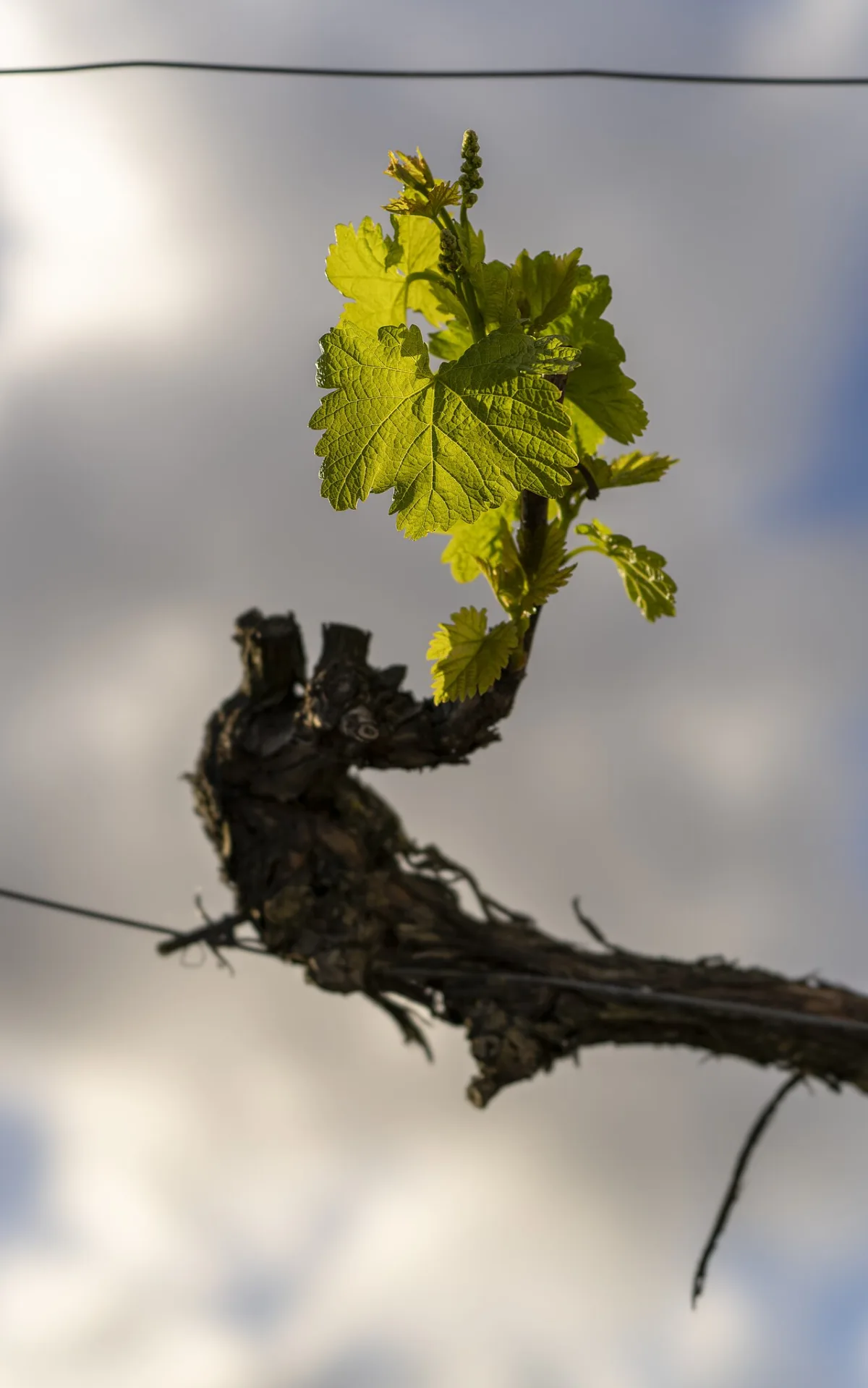
Biological features and types of buds of the grapevine plant

Grapevine buds are growth points where the organs of a future plant are initiated. The article describes the biological features of lateral buds, overwintering buds, and latent buds, as well as the mechanisms of their development and shoot formation

Fruit growing For agronomists

Basics of fruit tree canopy formation and pruning

Pruning remains a key agrotechnical practice that allows for the regulation of tree development and an increase in harvest quality. This article examines the history of canopy formation and the main advantages of a professional approach to managing fruit crops.

Crop production For students

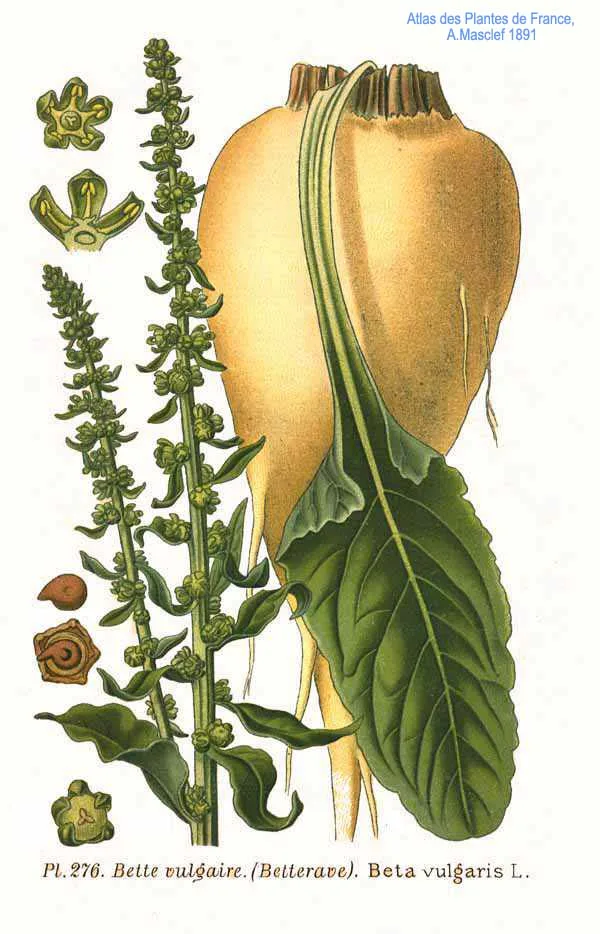
Biological characteristics and agroclimatic conditions for growing forage beet

The article reveals the biological characteristics of forage beet, describes the development stages of the crop in the first year of the growing season, and establishes optimal agroclimatic parameters for efficient cultivation. You will learn about critical growth periods, the influence of temperature conditions, and the plant requirements for soil moisture