
Prevention and treatment methods for major tomato diseases
7 min read
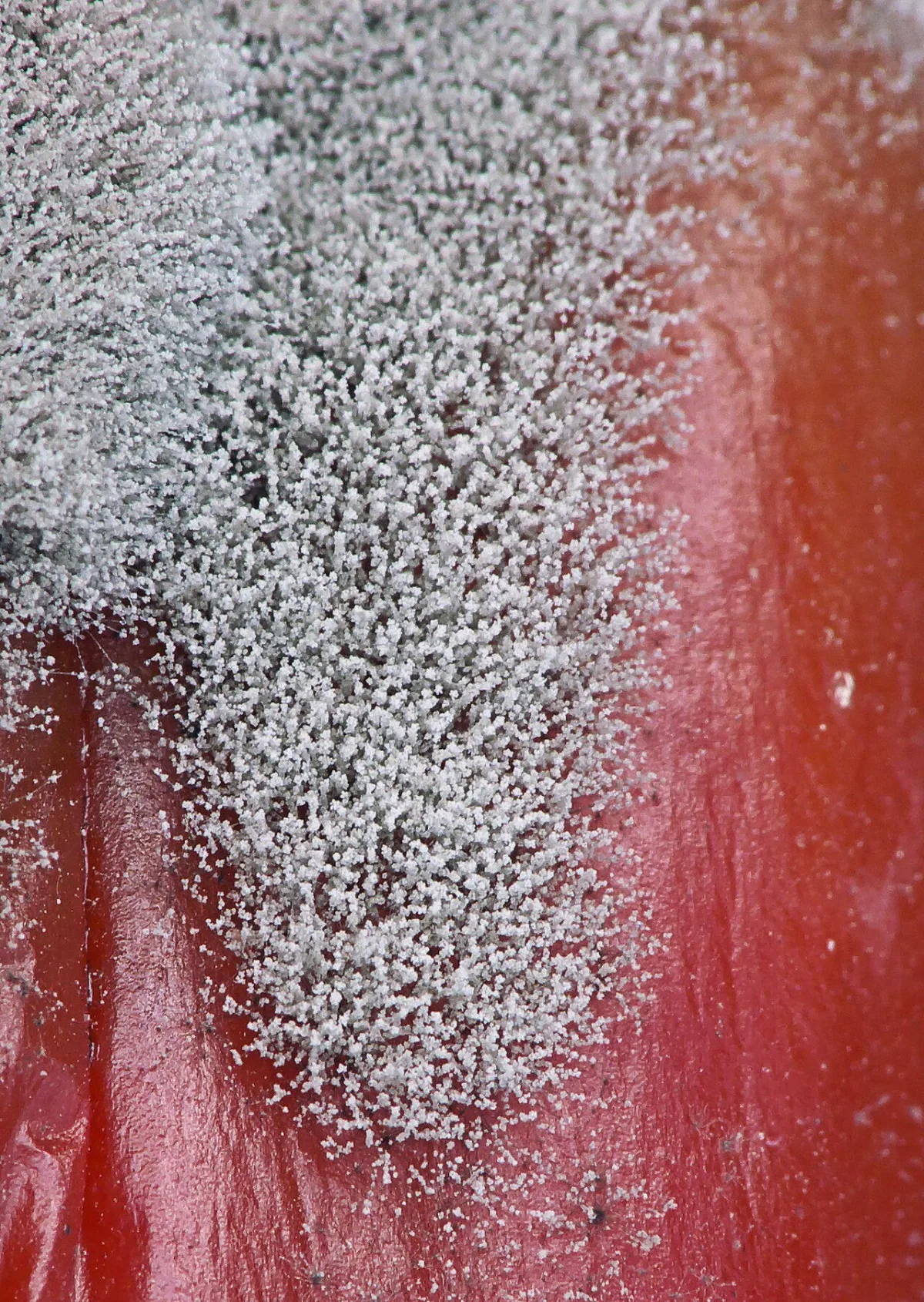
Prevention and treatment of late blight in tomatoes
Late blight is the most common and dangerous disease. Its pathogen is a simple fungus. In the beginning, the disease manifests as spots on the leaves, followed by their drying and dying off (do not confuse with the natural dying off of leaves in determinate cultivars), and somewhat later the fruits are affected. Damp and cool weather contributes to the development of late blight. However, the development cycle of the fungus is such that even in weather favorable for it, the infection of plants in our climatic conditions in open soil does not manifest before the beginning of August. Therefore, very early-maturing cultivars (Nevsky, Subarktika, etc.) generally manage to ripen before the mass spread of the disease begins. Such cultivars can be grown every year without chemical treatments, without fearing a reduction in harvest due to late blight.
For the prevention of late blight, tomatoes are sprayed 10–15 days after planting in the soil with the following agents:
- 1% "Bordeaux mixture" (also called Bordeaux liquid);
- 0.4% (40 g per bucket of water) copper oxychloride;
- 0.4% polycarbacin;
- a very weak (a few milliliters per bucket) solution of iodine;
- garlic infusion (grind 50-100 g of cloves, infuse for a day, dilute with water to 10 l);
- celandine infusion.
Spraying should be repeated when fruit set occurs on the second cluster. In terms of effectiveness, the indicated infusions are inferior to copper preparations. If the disease has begun, spraying can no longer fully cure the plants. When spots appear on the fruits, it is necessary to pick all formed fruits and heat them for 1–2 minutes in hot (not higher than 60 °C) water. The skin of the fruits will become wrinkled and unattractive, but the fruits will ripen and have a normal taste. Without heating, the tomatoes are doomed to spoilage.
Physiological disorders and diseases of tomato fruits
Blossom-end rot of the fruit. With this disease, a watery, initially yellowish-green, then browning spot appears at the apex of the fruit, indicating the beginning of rot. The disease spreads in damp weather, affecting large-fruited cultivars with delicate skin to a greater extent. Control measures include spraying with 0.3–0.4% calcium chloride, "Bordeaux mixture" (Bordeaux liquid), or its substitutes. For disease prevention, it is sometimes recommended to treat seed with a 0.2% solution of copper sulfate or 0.5% potassium permanganate for 24 hours.
Blotchy ripening of fruits is characterized by the appearance of yellow spots on their surface, which become almost transparent by full maturity; there is dead tissue under the skin. Preventive treatment for the disease is considered to be top dressing with potassium nitrate.
Hollow fruit. Signs of the disease: the fruits compress like a ball when pressed, and empty chambers are visible on a cross-section. This is the result of under-pollination of flowers or poor treatment of flowers with growth stimulants. Disease prevention: supplemental pollination (shaking the plants in the morning hours), top dressing with potassium sulfate.
Fruit cracking depends on the cultivar and the plants' water supply. It occurs when irrigation schedules and rates are not followed, or if formed fruits are caught in rain during hot weather.
Of the listed diseases, late blight and (to a lesser extent) blossom-end rot pose the greatest danger. With proper agricultural practices, even without pesticides, one can significantly curb diseases. After harvesting, it is strongly recommended to collect and burn all plant and fruit residues, by no means putting them into compost, and to thoroughly treat greenhouses and the soil inside them with a solution of copper sulfate (60 g per bucket of water).
Botanical features and history of sweet pepper
Sweet pepper belongs to the same botanical family as potato and tomatoes — the Solanaceae. It is grown for its large fruits, which are usually harvested while still green, although they turn red over time. Sweet pepper is sometimes called "bell pepper," although its homeland is not Bulgaria, but Central America. In Europe, pepper has been known since the 16th century. The first report of peppers reached us from 1494 — they are mentioned in the notes of Columbus's physician. The Indians called the pepper "aji" and used it as food instead of salt. Pepper was grown in the Antilles, Brazil, and other South American countries. In Europe, for a long time, it was used as an exotic seasoning.
This solanaceous plant, native to the South American Andes, has a very diverse fruit shape. For stuffing, large vegetables with deep grooves and a delicate taste are preferable. However, there are pepper cultivars in the shape of cherries, with round and sharp fruits for pickling, and in the shape of a skittle in red, yellow, or black. The taste of peppers varies from mild to hot (pepperoni). The fleshy "tomato-shaped" pepper cultivars are very aromatic and delicate in taste.
All cultivars of pepper belong to the Mexican species. There are two varieties of capsicum: sweet and pungent (bitter, hot). Sweet pepper has an herbaceous branched stem with 4—5 edges, becoming woody at the base with age. Depending on the cultivar, plant height can range from 20 to 75 cm.
Morphology and biology of sweet pepper
Leaves are simple, green, with lighter petioles, arranged singly or in rosettes. Leaf shape varies from ovate to lanceolate-elliptical with an elongated, pointed tip. Flowers are bisexual, solitary or grouped 2-3 together, arranged in tiers at the branching points. The flower corolla is most often white, sometimes with a lilac tint. Flowers appear continuously as the plant grows.
Flowers can self-pollinate or be pollinated by wind or insects. Therefore, to preserve cultivar characteristics when collecting seed, plants of different cultivars should not be planted near each other (especially sweet and bitter pepper).
The fruit of the pepper is a fleshy, hollow, multi-seeded, two- or four-celled false berry, smooth or slightly ribbed. The shape varies from cylindrical and elongated-conical to cuboid and spherical. Fruits can be pendulous or erect. Unlike tomatoes, peppers can be eaten unripe. Fig. 41. Sweet pepper. Seed is flat, oval, light yellow. The pepper root is taproot, becoming more branched with age, and reaches a depth of 30 cm when grown from transplants.
| Maturity stage | Color palette |
| Technical | from white to dark green |
| Biological | from yellow to dark red |
Green pepper is not fully ripe. Every fruit eventually turns red, and at intermediate stages of ripening, depending on the cultivar, it acquires a purple, black, yellow, or orange color.
Pepper fruits are consumed raw, pickled, canned, dried; they are used in brining vegetables, etc. Baked pepper fruits are very delicious. Fruits are rich in vitamin C (ascorbic acid); in terms of content, pepper is comparable to blackcurrant, slightly inferior to rose hips, and 6 times superior to citrus fruits. In dried fruits, vitamin C is not destroyed for 70—80 days; during brining, up to 60% of this vitamin is preserved. The vitamin C content increases significantly as the fruits grow and ripen (or post-harvest ripen) — from 70 mg per 100 g in 20-day-old fruits to 250—290 mg per 100 g of fruits a month after harvesting. Harvesting the fruits even at the technical maturity stage ensures a large harvest with a high vitamin C content. Pepper fruits also contain the alkaloid capsaicin, which has a bactericidal effect, and other nutrients — carotene (4—16 mg/100 g), rutin (strengthens capillary walls), vitamins B1, B2, and E. The dry matter content in fruits is 8—15%, and sugars 4—7%. Chemical composition of the fruits depends on the cultivar and varies according to weather conditions.
Due to the large amount of essential oils and coarse fiber, pepper is contraindicated for people with diseases of the intestines, stomach, liver, and kidneys. Pepper is recommended for general fatigue, vitamin deficiency, and anemia. An alcoholic tincture of bitter pepper is used for gastrointestinal disorders and radiculitis. Bitter pepper powder is used for the production of pepper plasters.
Read next
Greenhouses and covers For gardeners
Diagnostics of tomato condition by leaves and methods of disease treatment
Greenhouses and covers For gardeners
Technology of growing pepper transplants for greenhouse and open soil
Plant protection For agronomists