
The role of vegetable crops in the human diet and metabolism
9 min read
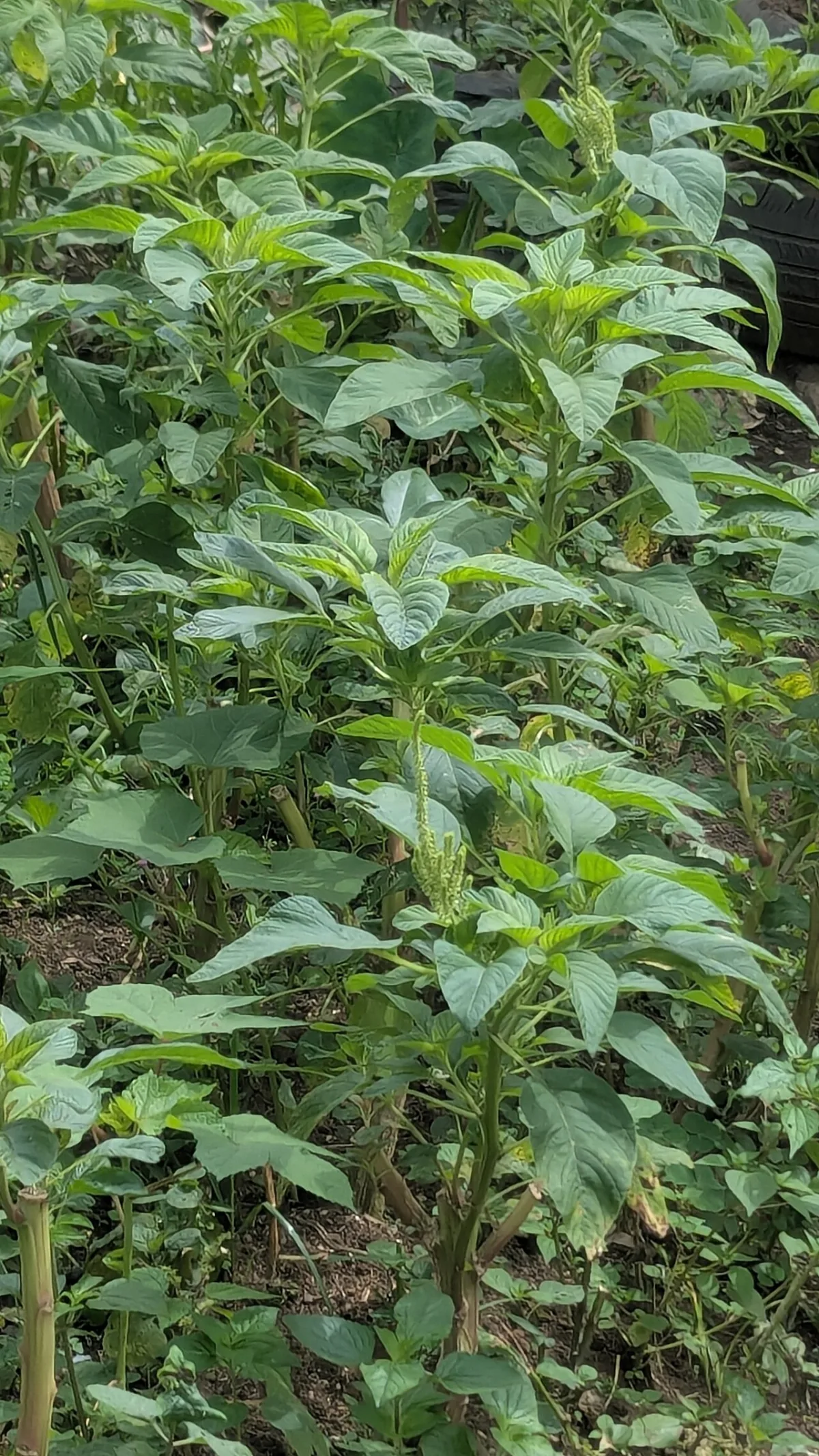
The market demand for vegetable produce is directly dependent on human physiology. The consumer's body is constantly renewing its cells and tissues: for instance, half of all body proteins are replaced within 60 days, and some liver enzymes are renewed in a matter of minutes. For this process, a human requires a continuous intake of energy and nutrients. Vegetables serve as a key source of these elements, which secures them a stable place in the daily diet.
Humans require both macronutrients (proteins, fats, carbohydrates) and micronutrients (vitamins and microelements). Vegetable crops are unique in that they belong to both of these groups. They provide the body with mineral salts, enzymes, and biologically active substances. Furthermore, specific organic compounds and phytoncides found in vegetables give them medicinal properties that are in demand in pharmacology and traditional medicine.
- Renewal of human tissue proteins — 50% per 60 days
- Recommended annual vegetable consumption — 120–145 kg
- Annual quota including melons and gourds — more than 170 kg
Market demand: consumption standards and year-round supply
Since vitamins and enzymes do not accumulate in the body and are rapidly excreted, a person needs to consume vegetables every day throughout the entire year. For a vegetable grower, this means the need to establish a year-round supply chain — from early field crops to greenhouse produce and vegetables for long-term storage. Consumer demand is unevenly distributed across crops, which is important to consider when planning crop rotation and planting areas.
Physiologically active substances in vegetables are rapidly excreted from the body. To meet year-round demand, an agricultural enterprise needs to combine field cultivation, protected ground, and long-term storage technologies.
| Type of vegetable produce | Recommended annual intake per person, kg |
|---|---|
| White cabbage | 25–38 |
| Table beet | 6–10 |
| Onion and garlic | 9–13 |
| Other vegetables (various cabbage types, pepper, eggplant, zucchini, green peas, aromatic vegetables, leafy greens) | 19–26 |
| Melons and gourds | 18–26 |
Nutritional value of vegetable crops and their impact on metabolism
The bulk of vegetables is characterized by low caloric content — their energy value is 3–10 times lower than that of bread or meat. This is because the accumulation of proteins, fats, and carbohydrates in plant tissues is limited. The only exceptions to this rule are potatoes, corn, and grain legumes, which accumulate significantly more nutrients.
| Nutritional component | Average content in main vegetables, % |
|---|---|
| Carbohydrates | 4–6 |
| Proteins | 0.5–2.2 |
| Fats | about 1 |
Carbohydrates constitute the basis of the nutritional value of most vegetables and are represented by mono- and disaccharides. In potatoes, peas, and sweet potatoes, carbohydrates are stored in the form of starch (polysaccharides). Fiber and pectins are of particular importance: although they are called ballast substances, they stimulate intestinal peristalsis and help eliminate metabolic products.
Vegetable proteins contain essential amino acids required for the regeneration of human tissues. Some crops contain all essential amino acids, which increases their dietary value. To obtain a protein-balanced harvest, an agronomist should pay attention to specific groups of plants:
- Legumes;
- Cabbage (cauliflower, kohlrabi, Brussels sprouts);
- Spinach;
- Leaf parsley.
Vitamins in vegetables are contained in small amounts but act as catalysts for biochemical reactions. They do not serve as a source of energy or building material, as proteins and carbohydrates do. Without them, it is impossible to regulate growth, reproduction, and general human metabolism.
The variety of vitamins in vegetables is one of the most valuable characteristics of these food products. The most significant for humans are vitamins C, B1, B2, B3, B6, Bc, E, PP, carotene, and P. Vitamins D, K, U, and various vitamin-like substances involved in normalizing metabolism are also present. Table 2 — Daily requirement of an adult for various vitamins (according to V. A. Bryzgalov, 1982), mg
Vitamin Norm Vitamin Norm Ascorbic acid(C) 50-70 Rutin (P) 25
Folacin (Bc) 1-2 Thiamine (B1) 1.5-2.0 Carotenoids 3-5 Riboflavin (B2) 2.0-2.5 Tocopherol (E), various 5-30 forms Niacin (PP) 15-25 Pantothenic acid (B3) 5-10 Naphthoquinones (K), 0.2-3.0 various forms Pyridoxine(B6) 2-3 Inositol 0.5-1.0 Biotin 0.15-0.30 Retinol (A) 1.0-2.5 Choline 50-100 — — Table 3 — Vitamin content in vegetables (according to V. A. Bryzgalov, 1982), mg per 100 g of fresh mass
C A B1 (thiam B2 B6 Bc PP
Crop (ascorbic (caro ine) (ribofl (nicoti acid) tene) avin) nic acid)
1 2 3 4 5 6 7 8
Watermelon 4-12 0.8-1.0 0.04 0.03 0.09 — 0.24
Eggplant 4-10 0.1-0.2 0.04 0.0054 0.15 18.5 0.64
Pea 25-38 1.0-1.7 0.25 0.19 0.17 20 2.00
Melon 18-29 0.5-1.4 0.04 0.04 0.06 6 0.40
Zucchini 10-18 0.5-0.7 0.03 0.03 0.11 14 0.60
White 11.0-52.7 0.02- 0.05 0.05 0.12 15 0.40 cabbage 0.04
Cauliflower 47-93 0.1-0.2 0.1 0.1 0.16 23 0.60
Continuation of table 3
1 2 3 4 5 6 7 8 Potato 19-29 — 0.10 0.05 0.02 — 0.10
Sweet 10-15 0.2-1.0 0.06 0.01 0.34 — — corn
Onion 27-57 1.8-2.1 0.07 0.02 0.12 9 0.20 Red carrot 5-10 5-30 0.12 0.07 0.13 9 1.00
Cucumber 8-15 0.1-0.2 0.04 0.04 0.04 4 0.20 (field) Pattypan 15-25 — 0.03 0.04 — 0.25 squash
Parsnip 20-35 1.5-3.5 0.08 0.09 0.11 20 0.94
Sweet 180-250 2.0-5.0 0.10 0.08 0.50 — 1.00 pepper (red)
Parsley 58-290 2.6-19.8 0.04 0.05 0.18 110 0.70 (leaves)
Parsley 35-60 0.01 0.10 0.08 0.60 24 1.00
Radish 11.4-44.0 Traces 0.08 0.04 0.10 6 0.10
Radish (black) 11.3-39.0 Traces 0.08 0.03 0.06 — 0.25
Lettuce 10-40 1.2-3.7 0.03 0.08 0.18 48 0.65 leaf
Beet 15-25 — 0.02 0.04 0.07 13 0.20 table Celery 18-180 1.3-10.0 0.02 0.10 0.08 21 (leaves) Celery 10-40 0.02-0.20 0.15 0.05 0.115 7 0.30 (root)
Tomato 15-45 0.8-1.2 0.08 0.04 — 11 0.53 field-grown Tomato 10-20 0.7-1.1 0.06 0.03 — 0.50 greenhouse
Pumpkin 4-10 2-35 0.05 0.05 0.1.4 14 0.50
Dill 31-128 2.4-10.4 0.10 0.08 0.15 27 0.60
Bean 20-30 0.4-1.0 0.10 0.20 0.16 36 0.50
Horseradish 64.5- 0.08 0.10 0.70 37 0.40
Garlic 8-15 0.15 0.08 0.60 — 1.00
Spinach 37-78 1.9 7.7 0.09 0.24 0.10 80 0.60
Sorrel 18-54 0.3-4.0 0.19 0.10 0.15 - 0.30
Enzymes. Vegetable plants produce enzymes that significantly accelerate biochemical reactions in the human body, such as peroxidase (cabbage, horseradish, radish, etc.) and amylase (potato). However, these substances are destroyed during heat treatment.
Mineral substances. Mineral salts of alkali metals are of great importance for humans; they neutralize increased acidity when consuming high-calorie foods and help accelerate the excretion of metabolic products from the body. Vegetables are a significant source of iron, molybdenum, phosphorus, copper, manganese, iodine, fluorine, and other elements necessary for metabolism. Their combination with specific proteins is the basis for the formation of enzymes and hormones in the body.
Spicy-aromatic substances. Spicy or aromatic substances are very valuable for humans; they result from the accumulation of various essential oils in vegetables, which determine the taste qualities of dishes and help improve food digestion. Essential oils of vegetable crops containing sulfur are distinguished by a sharp taste (horseradish, radish, garlic, onion, etc.), without which they do not have a sharp bitterness, but possess well-defined aromatic properties that stimulate appetite by promoting the secretion of gastric juice (parsley, dill, fennel, parsnip, celery, mint, tarragon, marjoram, and many others). Essential oils and other organic compounds of some vegetable plants have a phytoncidal effect (horseradish, sea kale, garlic, onion, radish, etc.), and they are widely used in medicine. However, it is not only phytoncide-containing plants that are considered medicinal. Practically every vegetable crop, both widely known and rare, finds application in therapeutic and aesthetic nutrition.
Product quality. It is also necessary to note that ballast substances and even substances harmful to humans are sometimes found in vegetables. Under conditions of environmental pollution, radionuclides and heavy metal salts can accumulate in them, especially in leaves and young shoots, and with unbalanced use of fertilizer, they may contain excessive amounts of nitrates and nitrites.
Therefore, only growing vegetables in conditions that meet plant needs and accepted sanitary standards ensures the production of food that has a health-promoting effect on humans.
Vegetables are consumed both raw and processed:
- In raw form, mainly salad and other leafy crops are used.
- In processed form (after heat treatment), the following are used: squash, summer squash, pumpkin, beans, asparagus, eggplant, parsnip roots, parsley, celery, fava beans, etc.
During the processing (industrial or culinary) process, vegetables lose many nutrients, vitamins, and enzymes, but they retain their mineral composition, aromatic substances, taste, color, and other merits. The vitamins and enzymes present in canned goods are quite sufficient to consider processed vegetables as highly valuable food products. Therefore, vegetables should also be viewed as excellent raw materials for the canning industry.
The importance of vegetables in the agricultural economy is quite high.
| Indicator | Value |
| Share of arable land area | 1.5–2.0 % |
| Share in the gross income of crop production in the Russian Federation | about 7 % |
Thus, vegetable crops are becoming increasingly important in improving dietary structure as a source of energy, biologically active substances, and minerals, against a backdrop of high economic efficiency of production.
Read next
Agrochemistry For students
The effect of mineral fertilizers on the biochemical composition of vegetable crops
Agrochemistry For students
Optimizing mineral nutrition of vegetable crops and potatoes
Greenhouses and covers For gardeners