
Nitrate control technologies in greenhouse crop cultivation
3 min read
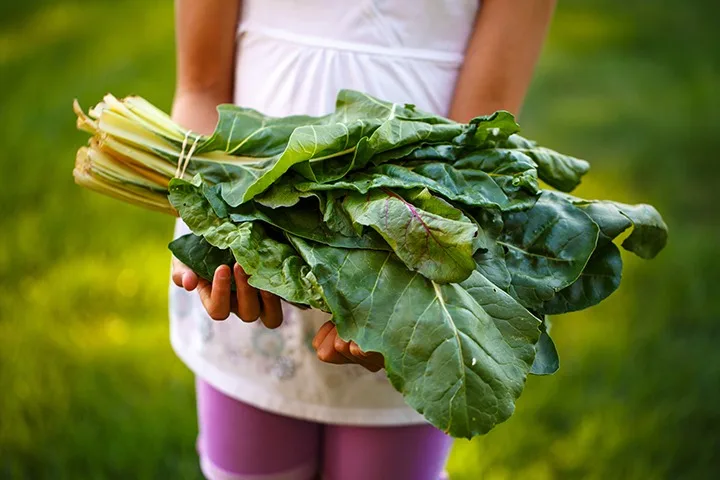
Growing vegetables in protected ground requires the agronomist to strictly monitor nitrogen accumulation. While hotbeds are most often used for growing seedlings for subsequent planting, in greenhouses plants remain from sowing seed to harvesting harvest">harvesting. Intensive use of greenhouse space allows for several harvests per season, which increases the risks of nitrate accumulation in produce. These risks can be reduced through proper agricultural practices.
Work must begin with soil preparation and the correct choice of mineral nutrition. Acidic soils must be limed before the application of nitrogen fertilizer, and mineral fertilizers should be applied in conjunction with organic matter. For top dressing, exclusively amide and ammonium forms are used — ammonium sulfate and carbamide, while completely avoiding the use of nitrates. The fertilizers themselves are applied in clear weather using a band application method at a depth of 10–12 cm.
Cease all nitrogen top dressing 1–1.5 months before the start of harvesting harvest">harvesting. The more time that passes between the last nitrogen application and the harvest of vegetables, the lower the nitrate concentration in the produce. Autumn application of nitrogen fertilizers is ineffective, as they are easily washed out of the soil by meltwater and pollute nearby water bodies, causing algal blooms.
Adherence to irrigation and ventilation regimes helps plants absorb nitrogen evenly without sharp spikes in its concentration. In greenhouses, it is important to prevent air overheating and maintain optimal humidity. Vegetables should be harvested strictly at full maturity, in the afternoon, and only in sunny weather. Do not allow the plantings to become too dense, as good lighting is a crucial factor in managing excess nitrogen compounds.
For leafy crops, there is a specific temperature protocol before cutting. 7–8 days before harvesting, it is necessary to reduce the air and soil temperature in the greenhouse to 5–6 °С. This simple technique allows for a significant reduction in the residual nitrate content in the leaves.
- Humidity for leafy crops and tomatoes — 60–70 %
- Humidity for cucumbers — 70–80 %
- Cooling period for greens before harvesting — 7–8 days
- Air and soil temperature before harvesting greens — 5–6 °С
- Depth of band fertilizer application — 10–12 cm
Distribution of nitrates in plants and the impact of culinary processing
Nitrates are distributed extremely unevenly across plant tissues, accumulating in zones of nutrient transport. The concentration of nitric acid salts always increases in the direction from the leaf blade to the petiole, and then to the stem. Knowing these anatomical features, it is possible to significantly reduce the amount of ingested nitrates at the stage of preparing vegetables.
| Crop | Features of nitrate distribution by plant part |
|---|---|
| Parsley, dill, celery | 60 % less nitrate in leaves than in the stem |
| Cauliflower | 70 % less nitrate in inflorescences than in the stalk |
| White cabbage | 40 % less nitrate in leaves than in petioles, and 70 % less than in the stalk |
| Carrot | 80 % less nitrate on the surface than in the core |
| Cucumbers and radish | 70 % more nitrate in the skin than in the flesh |
| Watermelon and melon | Maximum nitrates accumulate in the unripe flesh near the rind |
| Beet | 10 times more nitrates in the tip of the root crop than in the central part |
| Zucchini | 2 times less nitrate in the tip of the fruit than near the stalk |
| Eggplant | 8 times less nitrate in the tip of the fruit than near the stalk |
Proper culinary processing of raw materials also helps to purify the final product. Various methods of thermal preparation and soaking show different degrees of effectiveness. Below are precise data on the reduction of nitrate levels depending on the type of processing.
| Vegetable processing method | Mode / conditions | Nitrate level reduction |
|---|---|---|
| Washing | — | By 10–15 % |
| Soaking in water | For 2 hours | By 20 % |
| Boiling | For 40 minutes (draining the water) | By 80 % |
| Stewing | — | By 10 % |
| Frying | In lard | By 40–60 % |
Nitrates can convert into highly toxic nitrites. This occurs during prolonged storage of prepared vegetable dishes in the refrigerator, repeated reheating with temperature fluctuations, long steaming of poorly washed beets, as well as during the storage of prepared salads dressed with sour cream or mayonnaise.
Read next
Vegetable growing For students
The role of vegetable crops in the human diet and metabolism
Greenhouses and covers For gardeners
Organization of vegetable growing in protected soil and hotbeds
Greenhouses and covers For gardeners