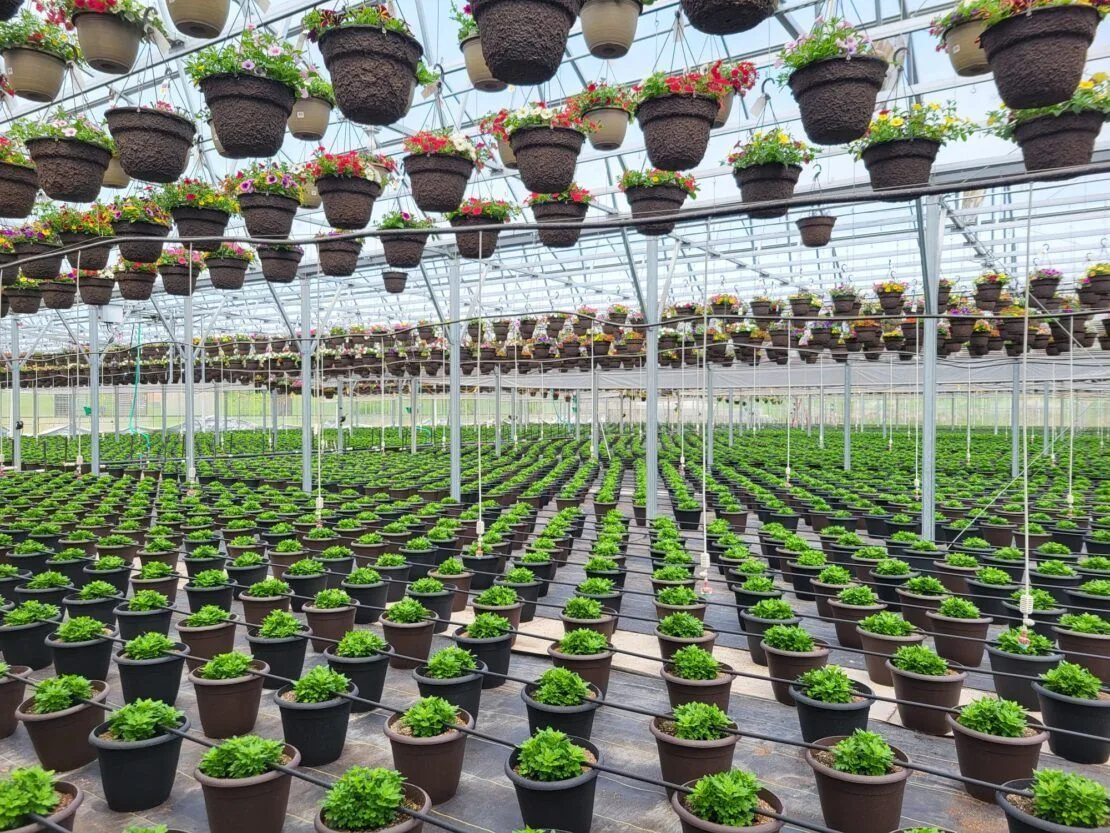
Substrate is an artificially created or prepared root zone environment that serves as the foundation for intensive crop production. In greenhouse conditions, greenhouses, and hydroponic systems, the correct choice of substrate determines not only the availability of nutrients but also the physical and chemical parameters of the environment, on which crop yield directly depends. Understanding the composition, water-holding capacity, and agrochemical properties of the mixtures used allows agronomists and gardeners to effectively manage plant development and minimize the risks of soil fatigue.
This collection gathers materials covering a wide range of topics: from the theoretical foundations of selecting inert and organic media to practical methods for their preparation and analysis. You will learn about technologies for growing vegetable and floral crops, the specifics of small-volume hydroponics, as well as methods of organic bioconversion and the use of microbiological agents to improve substrates. The articles will help you master the calculation of fertilizer application rates, the organization of mineral nutrition, and ways to increase plant resistance to pathogens under artificial cultivation conditions.