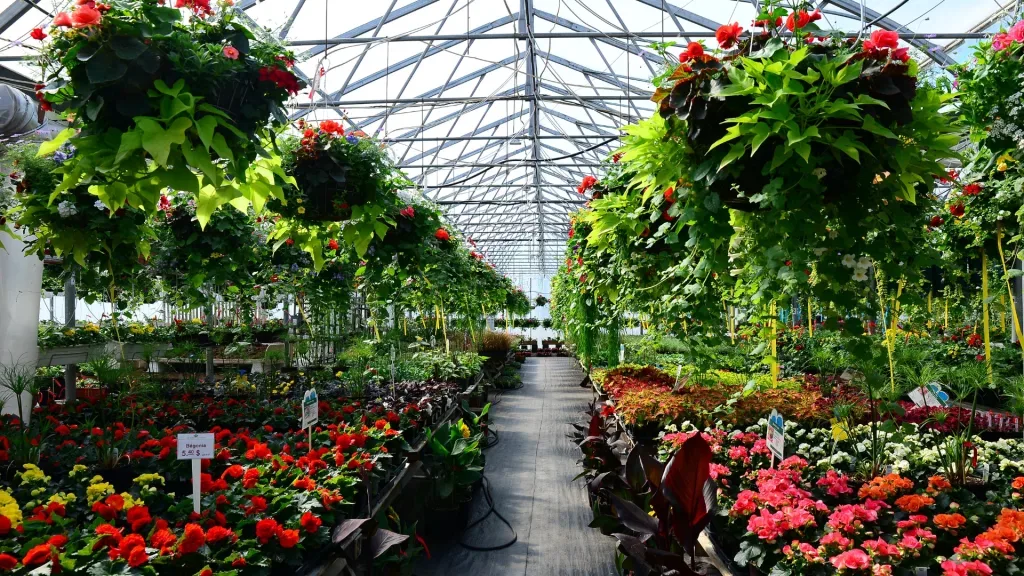
Sphagnum peat is one of the key components in modern plant cultivation, acting as a base for professional substrates and greenhouse soil mixtures. Its physicochemical characteristics, including porosity, water-holding capacity, and specific acidity level, make this natural material indispensable for managing the root-inhabiting environment. Understanding the properties of this organogenic material allows agronomists and greenhouse specialists to effectively control crop development and ensure their optimal mineral nutrition.
In this selection, we examine sphagnum peat from the perspective of its practical application. Readers will find materials on the history of research and natural qualities of peat, as well as become acquainted with methods of agrochemical analysis of substrates. Special attention is paid to the selection of media for greenhouses: from requirements for soil mixtures to the specifics of hydroponic systems. In addition, reviews of specialized ready-to-use soils, their composition, and nutrient content indicators are presented. These data will help to build a rational plant nutrition system and optimize the choice of substrate for specific agrotechnical tasks.