
Works in protected ground in December and agrotechnical reference materials
14 min read
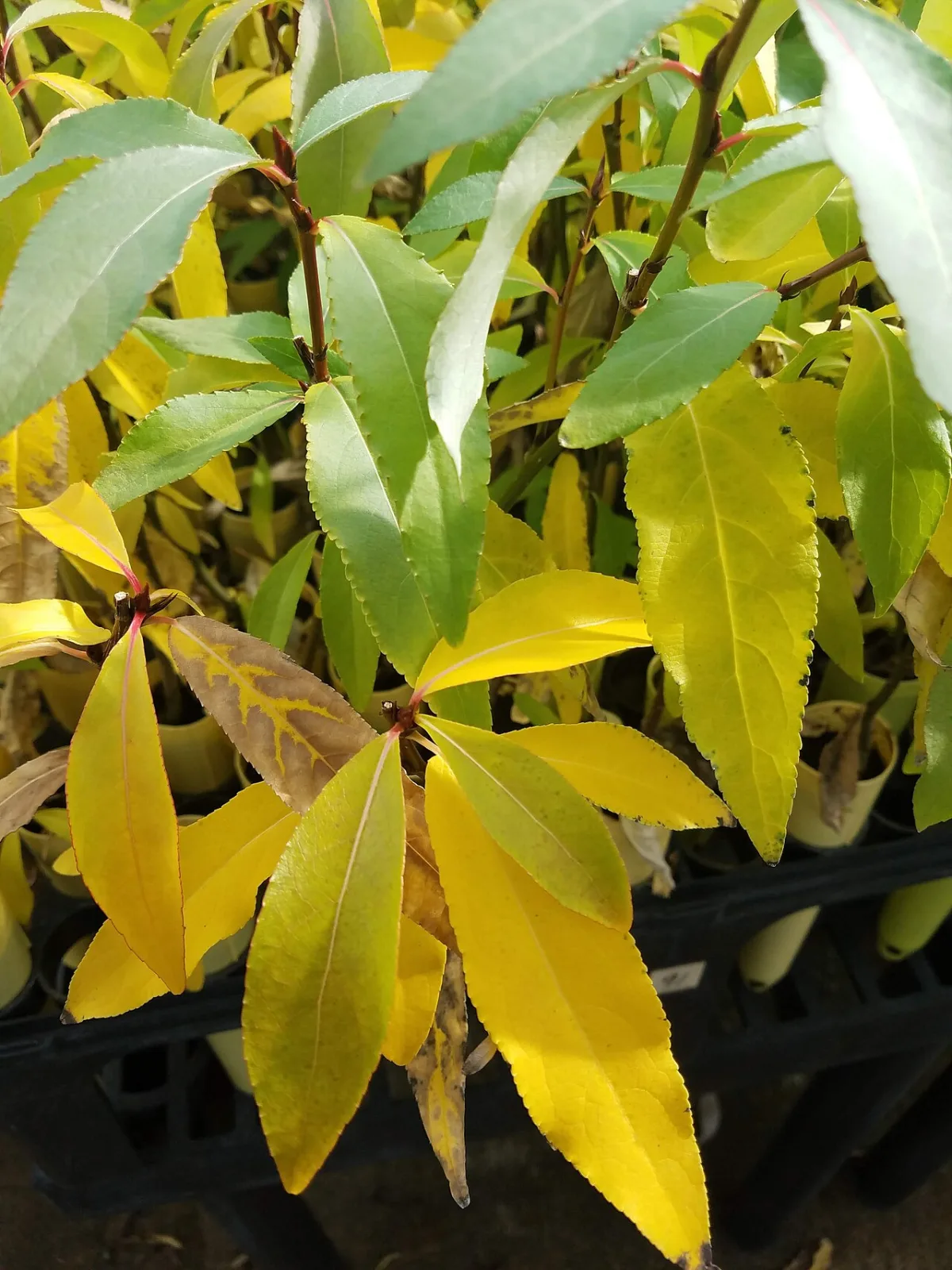
December in greenhouse management is a time for preparing for the future season and winterizing equipment. Despite the lack of active plant growing season, it is right now that the foundation for the future harvest is laid. It is important for an agronomist to conduct an audit of covering materials, prepare soil, and protect overwintering crops from the coming frosts.
Special attention during this period is paid to monitoring products placed for storage. Increased humidity or failure to observe the temperature regime can quickly destroy the harvested crop. In parallel with this, preparation begins for spring forcing of greens and the planning of seed purchases.
- Potato storage temperature — 2–3 °C
- Air humidity in the storage facility — 80–85%
- Volume of a matchbox — 20 cubic cm
- Mass of water in a 10-liter bucket — 10 kg
- Volume of a faceted glass without a rim — 200 g
- Winterization of film covers. Remove, thoroughly wash, and dry the intact film for storage. Dispose of any covering that has become unusable.
- Preparation of soil. Prepare nutrient-rich soil mixtures for growing transplants of cabbage, tomatoes, lettuce, eggplant, peppers, and cucumbers.
- Protection of overwintering crops. Cover celery and artichoke plantings with straw or other protective materials to protect them from winter frosts.
- Preparation for spring forcing. Dig up, prune, and plant root crops intended for early green production into planting boxes.
- Maintenance and repair of equipment. Clean off dirt, lubricate, and repair manual tools and greenhouse equipment if necessary. Weave protective mats for covering hotbeds.
- Season planning. Draw up crop rotation schemes and compile a list of seed that needs to be purchased before the start of the sowing season.
Regularly sort through vegetables in storage facilities and remove rotting specimens. Potatoes are extremely sensitive to temperature deviations: keep it strictly within 2–3 °C at an air relative humidity of 80–85%.
For those planning to organize a micro-garden on a balcony, winter is a time for detailed design. The success of growing crops in a limited space depends on the correct selection of assortment and the preparation of a nutrient-rich substrate. When planning plantings, be sure to take into account the wind rose, plant height, and the degree of natural lighting on the balcony.
When designing a balcony micro-garden, take into account external factors: shading by neighboring buildings or trees, as well as wind load at a specific height.
Reference materials: selection of cultivars and component dosing
| Crop | Cultivars and hybrids for growing in greenhouses and hotbeds |
|---|---|
| Melon | Hybrid E1 Gerimus, Zolotistaya |
| Zucchini | Kuand, Beloplodnye |
| Cucumber (short-fruited) | Zarya, Syurpriz 66, TSKhA-1 (requires pollinators), Zozulya (TSKhA-77), Kristall, Mayskiy, Rodnichok, Granat (requires cultivars Alma-Atinskiy, Teplichny 40 as pollinators) |
| Cucumber (long-fruited) | Gribovchanka, Druzhny 85, Moskovskiy teplichny, Aprelskiy (TSKhA-98), Barnauletz, Bylina, Sentyabrskiy |
| Sweet pepper | Vini-Pukh, Zdorovie, Novosibirskiy, Pioner, Nezhnost |
| Tomatoes (early and extra-early) | Alyona, Virazh, Grenada, Karlson, Krasnaya strela, Malyshok, Rusich, Strizh, Teplichny |
| Tomatoes (mid-season) | Leningradskiy osenniy, Rucheek, Tashkentskiy teplichny, Uralskiy mnogoplodny, Jurmalas |
| Tomatoes (late-season) | Vaynomon, Vasilisa, Solina, Cherny |
| Early-maturing and extra-early cultivars | Bazis, Zhara, Kvarta, Ranniy krasny, Rubin, Teplichny Gribovskiy, Yarna |
| Mid-season cultivars | Würzburger 59, Zarya, Saxa, Sibirskiy-1 |
| Lettuce | Romaine, Ballon, Parizhskiy zeleny, Mayskiy, Festivalny |
| Celery | Apia, Aromatischer Feingekrauster |
| Measuring container | Mass of water |
|---|---|
| 1 bucket (10 l) | 10 kg |
| 1 l | 1000 g |
| 1 glass (thin or faceted with a rim) | 250 g |
| 1 glass (faceted without a rim) | 200 g |
| 1 tablespoon | 15 g |
| 1 teaspoon | 5 g |
| 1 teaspoon (100 drops) | 20 drops (1 g) |
| Type of fertilizer | Mass in a 10 l bucket, kg |
|---|---|
| Horse manure on sawdust bedding | 5 |
| Fresh horse manure | 8 |
| Fresh cow manure | 9 |
| Liquid manure | 12 |
| Poultry manure | 5 |
| Wood ash | 5 |
| Humus | 8 |
| Mineral fertilizer or soil amendment | Mass in a matchbox (20 cubic cm), g |
|---|---|
| Ammonium nitrate | 17 |
| Ammonium sulfate | 17 |
| Urea | 15 |
| Calcium nitrate | 18 |
| Sodium nitrate | 22 |
| Powdered superphosphate | 24 |
| Granular superphosphate | 22 |
| Rock phosphate | 34 |
| Potassium chloride | 18 |
| Potassium salt | 20 |
| Potassium sulfate | 25 |
| Potassium-magnesium fertilizer | 20 |
| Potassium nitrate | 25 |
| Vegetable fertilizer mixture | 18 |
| Wood ash | 10 |
| Slaked lime | 12 |
Specifics of container growing and substrate preparation
When growing ornamental crops in containers on upper tiers and open areas, plants must be protected from the wind. As they grow, shoots are tied to supports or fencing elements, and in the most wind-exposed areas, low-growing profusely flowering cultivars are planted. Irrigation schedule directly depends on lighting: in shaded places, watering should be moderate, and on the sunny side — abundant, early in the morning and late in the evening.
| Container parameter | Value |
|---|---|
| Length | 3.2 m |
| Width | 0.75 m |
Substrate preparation begins in the autumn, immediately after the end of the growing season. Plant residues are removed from the containers, and the soil mixture is thoroughly mixed with organic matter (cow manure or horse manure) and complex mineral fertilizers. After this, the containers are tightly covered to prevent leaching of nutrients by precipitation.
- Dose of autumn mineral fertilizer — 1 tablespoon per bucket of soil
- Pot diameter for young geraniums — 7–10 cm
- Timing of the first summer top dressing — 30 days after planting
- Frequency of organic treatments during the summer — 3–4 times
For container gardening, several groups of crops are used:
- Main plants: geraniums, dahlias, verbena, asters, flowering tobacco, nasturtium, petunia, salvia.
- Border plants: forget-me-nots, nemesia, alyssum, lobelia.
- Climbing plants: sweet pea, morning glory, climbing nasturtium, ornamental beans.
- For hanging baskets: tuberous begonias.
- Vegetable crops: tomatoes, cucumbers.
On the south side, geraniums, dahlias, gladioli, petunias, and tuberous begonias are the most decorative. Geraniums grown indoors can be moved outdoors as early as May, and in case of a threat of return frosts, the pots are temporarily returned to a cover. The substrate for geraniums is prepared from sod soil, leaf soil (in a 1:1 ratio), and the addition of humus. In hot weather, pots with geraniums are buried in a container filled with fertilized soil, which prevents the roots from drying out and provides additional nutrition.
| Container parameter | Size |
|---|---|
| Pot diameter for young geraniums | 7—10 cm |
Technology of dahlia forcing and fertilization regime
Growing dahlias in a limited volume of soil is a labor-intensive process that requires annual renewal of planting material. The quality of the tubers directly affects the abundance of flowering and the plants' resistance to diseases. Preparation for the new season begins in March-April.
Use for planting tubers grown in the previous season in open ground. They possess increased vitality, are better preserved in winter, and rot less frequently compared to tubers of permanent potted culture.
The preparation of dahlia tubers is carried out according to the following technological scheme:
- Examine the tubers, clean them of dry particles, and wash them in clean water.
- Keep the planting material in a weak solution of potassium permanganate for 2–3 hours.
- Rinse the tubers again with water and dry them thoroughly.
- Cover with moist soil to stimulate growth buds, leaving the root collar open.
- After sprouts appear, divide the tuber cluster with the root collar into parts with sprouts and plant them in pots, boxes, or polyethylene buckets.
- Irrigation in cloudy weather — 1 time every 2–3 days (for boxes sheltered from rain)
- Consumption in dry weather — 3–4 buckets per day for all containers
- Consumption in severe heat — 4–5 buckets daily (morning and evening)
- for the west, southwest, southeast, and north sides, the same assortment of plants is used as for the east;
- on the northwest and northeast sides, most crops from this same list are grown, but with a partial change of the assortment.
With high-quality autumn fertilization of the substrate, the first top dressing is carried out 30 days after planting. During the summer, plants are fed with mineral mixtures containing trace elements and organic matter (cow manure mixed with peat) is applied. The soil in the containers must be regularly loosened to a shallow depth, avoiding damage to the root system. When growing on the south side, plants consume a lot of water, so trays with a constant supply of moisture are installed under small pots.
During the period of mass flowering, the application rates of nutrients and the irrigation regime are adjusted. This allows extending the decorativeness of the crops and stimulating the formation of new buds. Special attention at this time is paid to the balance of moisture and mineral nutrition.
| Fertilizer type | Application frequency during flowering period |
|---|---|
| Mineral | 2 times a week |
| Organic (cow manure solution 1:10) | 1 time per month |
Never apply fertilizers to plants with a dried-out soil ball. This will lead to chemical root burn and the death of the crop. Perform top dressing only on moist soil in cloudy weather or in the evening hours.
When arranging plantings in the center of the area, place potted geraniums (pelargonium) on low stands, positioning them lower than the dahlias. Around the periphery of the containers, plant a two-row border to create a dense decorative design. In the first row on the street side, place trailing nasturtium, alyssum, or lobelia, and in the second row — color-coordinated petunia.
Layout schemes and protection of container crops
In vertical gardening, it is important to observe contrast: light-colored flowers are placed against a bright background, and more saturated ones against a pastel background. Climbing crops (beans, sweet peas, morning glory) are planted in side boxes in the third row near the trellis, stretching support wire. Inside the balcony, hang pots with tuberous and trailing begonia (2–3 or more), and on walls and windows, place hanging baskets with bright plants, such as zinnia or salvia.
On the east side of the house, the planting scheme is calculated in advance. A useful area of containers of about 1.5 m² allows for placing 100 to 150 plants. They will bloom profusely with the correct distribution of plants in the containers.
| Installation location | Box dimensions, cm | Crops | Number of plants |
|---|---|---|---|
| Inside (along the left and right sides) | 73 × 46 × 26 (2 units) | High-grade dahlias | Up to 12 tubers (leaving a free area of 2.0 × 0.75 m) |
| Outside (along the perimeter) | 320 × 20 × 16 (1 unit) 90 × 20 × 16 (2 units) |
White and red phlox Gladiolus Flowering tobacco Sweet pea |
Up to 25 phlox bushes 20–40 gladiolus bulbs (between phlox) 3–5 nursery plants of tobacco (closer to the inner walls) Along the inner wall of the long box for a length of 2 m |
| Outside on the windowsill | 100 × 20 × 36 (1 unit) | Chabaud carnation, verbena or asters | Up to 10 nursery plants |
| On window frame brackets and the windowsill outside | Pots | Tuberous begonia | 3–5 nursery plants |
Annual flowers (petunia, flowering tobacco, sweet pea, verbena, asters, carnation) are planted only as transplants. Perennial crops (gladiolus, dahlias, phlox) are moved into containers at the very end of April or in the first days of May. The specific time is chosen depending on the arrival of steady spring warmth.
In case of a threat of frost or cold winds, the boxes with dahlias are temporarily protected by frames covered with polyethylene film. Other outdoor plantings are covered at night with film, which is attached to the inner side of the box — during the day it can be rolled up and fixed on the trellis.
Irrigation regime and overwintering of perennials
Regular irrigation is necessary throughout the entire growing season until mid-October. The limited volume of soil in the containers dries out quickly, so the humidity of the substrate must be monitored constantly. The rates of water consumption are strictly tied to weather conditions.
In autumn, perennial crops are prepared for overwintering. Dahlia tubers and gladiolus bulbs are dug up before the onset of persistent frost. For planting material storage, home conditions or a cellar are used.
When storing dahlia tubers and gladiolus bulbs in an apartment or cellar, it is difficult to maintain an optimal temperature regime, which causes some of the material to rot or dry out. In spring, be sure to cull weak specimens — they will be quickly crowded out by strong plants in containers.
In autumn, phlox are dug out of the boxes and transplanted into open ground in residential flowerbeds, slightly covering them with peat. They successfully overwinter under snow cover, and in spring, they quickly begin to grow. At the end of April or the beginning of May, they are returned to the balcony containers, dividing the overgrown bushes into two parts.
For planting, purchase only high-grade material with strong shoots. Weak roots and inferior bulbs will not take root in cramped boxes. Healthy nursery plants of begonia, petunia, and tobacco adapt quickly to a new location.
When planning forced blooming and preparing planting material for container gardening, it is important to distribute plant batches according to target illumination in advance. The orientation of the cardinal points at the site dictates the choice of crops, as the light regime directly affects plant survival and ornamental value. Correct calculation allows for successful gardening even in complex shaded areas.
Assortment selection according to light exposure
Plants suitable for an eastern orientation are suitable for most other directions. Container gardening successfully adapts to different lighting conditions:
The volume of plantings is always tied to the dimensions of the area. Depending on the size of the balcony, the number of balcony boxes is increased or decreased. The total number of plants planted in them changes accordingly.
When placing containers on the northwest and northeast sides, it is recommended to partially replace phlox with white and red petunias.
Read next
Soil and tillage For students
Influence of soil structure and composition on capillary moisture transfer
Soil and tillage For students
Diagnosis of soil profile compaction types: plough pan and natural overcompaction
Soil and tillage For students