
Sowing rates for seed and planting rates for transplants of vegetable crops
4 min read
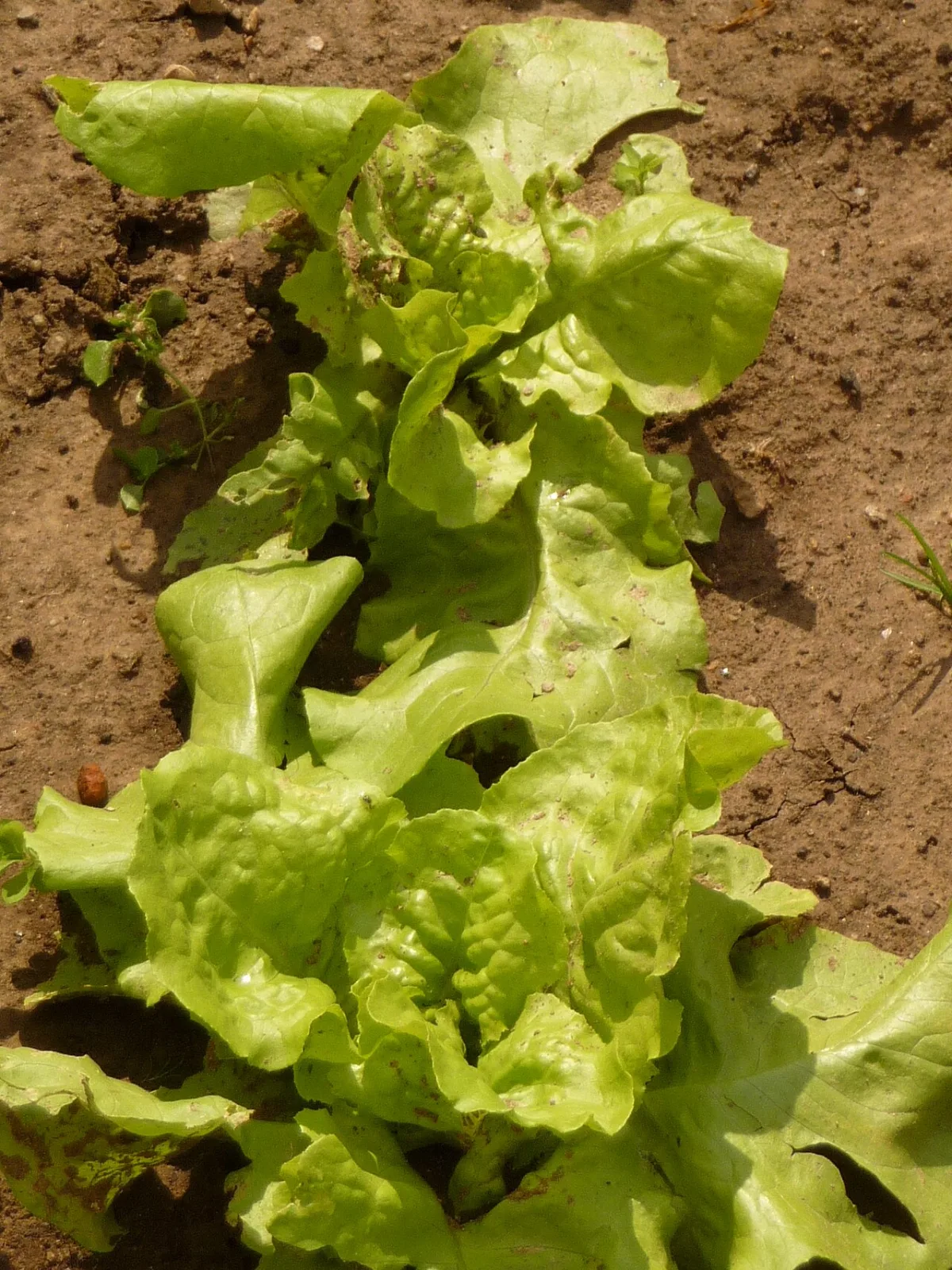
An accurate calculation of the demand for sowing and planting material allows avoiding plant shortages in the field and optimizing seed purchasing costs. Using carefully sorted, calibrated material helps to significantly reduce the sowing rate without sacrificing the planned yield of vegetable crops.
| Crop | Expected yield per 10 m², kg | Sowing rate of purchased seed per 10 m², g | Sowing rate of sorted seed per 10 m², g |
|---|---|---|---|
| Beet | 30–40 | 10–12 | 5–6 |
| Radish | 15–20 | 15–18 | 10–12 |
| Cucumber | 20–30 | 6–8 | — |
| Onion for sets | 7–9 | 70–90 | 60 |
| Onion from sets | 15–20 | 1.5–2 kg (set diameter 1.5–2.5 cm) | — |
Leafy greens require separate calculations when grown as companion crops for main plantings. For calibrating and dosing small seeds, refer to the average number of pieces per one gram of sample.
- Lettuce seed per 1 g — 600–1000 pcs.
- Dill seed per 1 g — 900 pcs.
- Napa cabbage seed per 1 g — 300 pcs.
- Spinach seed per 1 g — 100–120 pcs.
- Watercress seed per 1 g — 100 pcs.
For crops grown from transplants, it is important to strictly match the planting area with the required volume of ready seedlings. Basic yield and planting density benchmarks for open field and greenhouse are provided below.
| Crop | Yield per 10 m², kg | Transplanting rate per 10 m², pcs. |
|---|---|---|
| Early cabbage | 25–30 | 60 |
| Cauliflower | 15–20 | 60 |
| Tomato | 30–40 | 60 |
When preparing transplants of early cabbage, cauliflower, and tomatoes, always account for a reserve to cover potential plant loss after transplanting. Including a safety margin, you will need to grow between 75 and 90 seedlings for every 10 m² of area.
Germination monitoring and temperature regimes for seed germination
Before sowing, it is necessary to determine the germination energy and total germination of the prepared seed batches. Germination energy characterizes the seed's ability to produce uniform and rapid emergence within the timeframe optimal for a specific crop. To obtain reliable testing results, it is important to strictly observe the temperature regime in the thermostat or germination chamber.
The following temperature parameters are maintained during the analysis:
- for onion and legumes — a constant temperature of 20 °C;
- for lettuce — 10 °C for the first three days, then the temperature is increased to 20 °C;
- for other vegetable crops — a variable regime is provided during the first day (5 hours at 30 °C and 18 hours at 20 °C), and a stable 20 °C is maintained for all subsequent days of germination.
When counting results, seeds with developed healthy roots are considered germinated. The root length should be equal to the length of the seed itself for small-seeded crops, or at least half the length of the seed for large-seeded species.
For quick dosing of liquid products or water when preparing solutions in field conditions: one tablespoon holds 15 g of water, one teaspoon holds 5 g (5 cm³).
Read next

Vegetable growing For students
Requirements of vegetable crops for soil moisture and humidity
Storage and processing For students
Technological features of storage for onion sets, mother bulbs, and bulb onions
Greenhouses and covers For gardeners