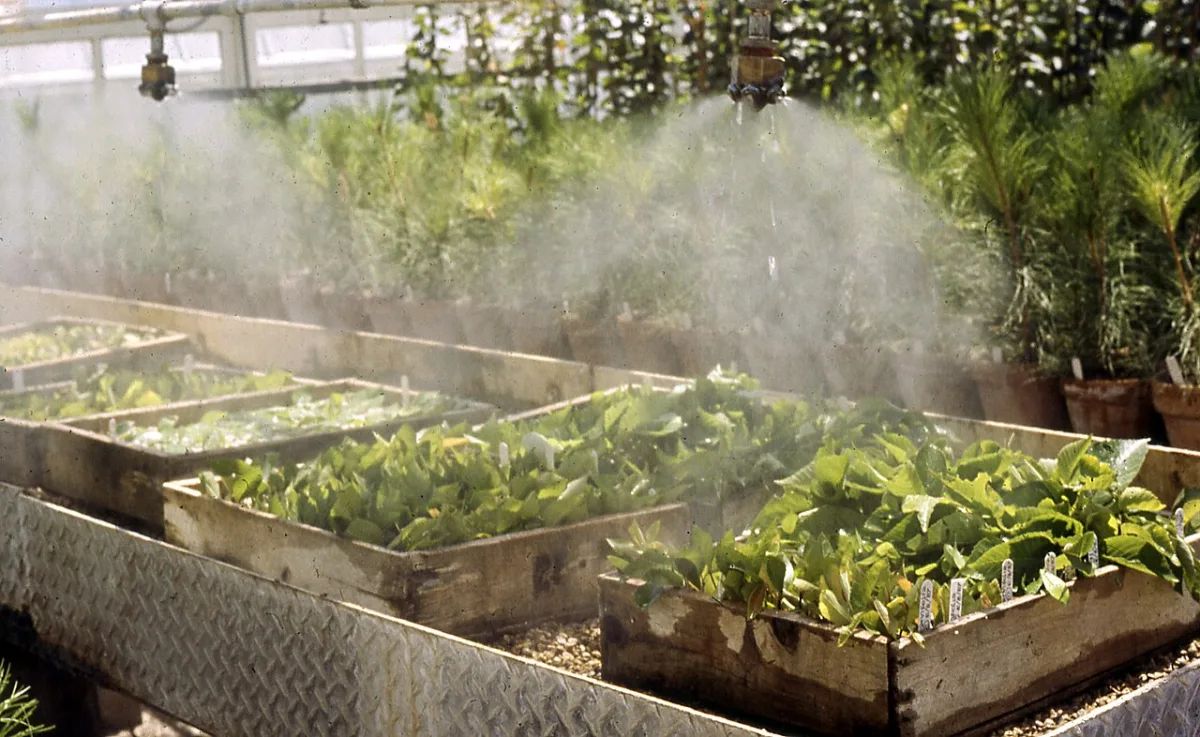
Rooting is the foundation of vegetative propagation, which allows for the preservation of a cultivar's traits and the production of high-quality nursery plants. For agronomists and practitioners, successful organ regeneration directly depends on understanding the biological patterns of crop development, microclimate control, and the use of phytohormones. A correctly chosen method — from cuttings using woody or green shoots to the use of specialized misting systems — determines the viability of future nursery plants and their productivity.
This collection gathers materials covering key aspects of working with fruit, berry, and ornamental crops. You will find a detailed description of cutting technologies, principles of operating equipment for maintaining humidity, and recommendations for preparing nutrient-rich substrates. In addition, the articles highlight the physiological mechanisms of auxin action and the factors influencing plant recovery. Studying these materials will allow you to systematize knowledge about regeneration processes and optimize operations in a greenhouse or nursery.