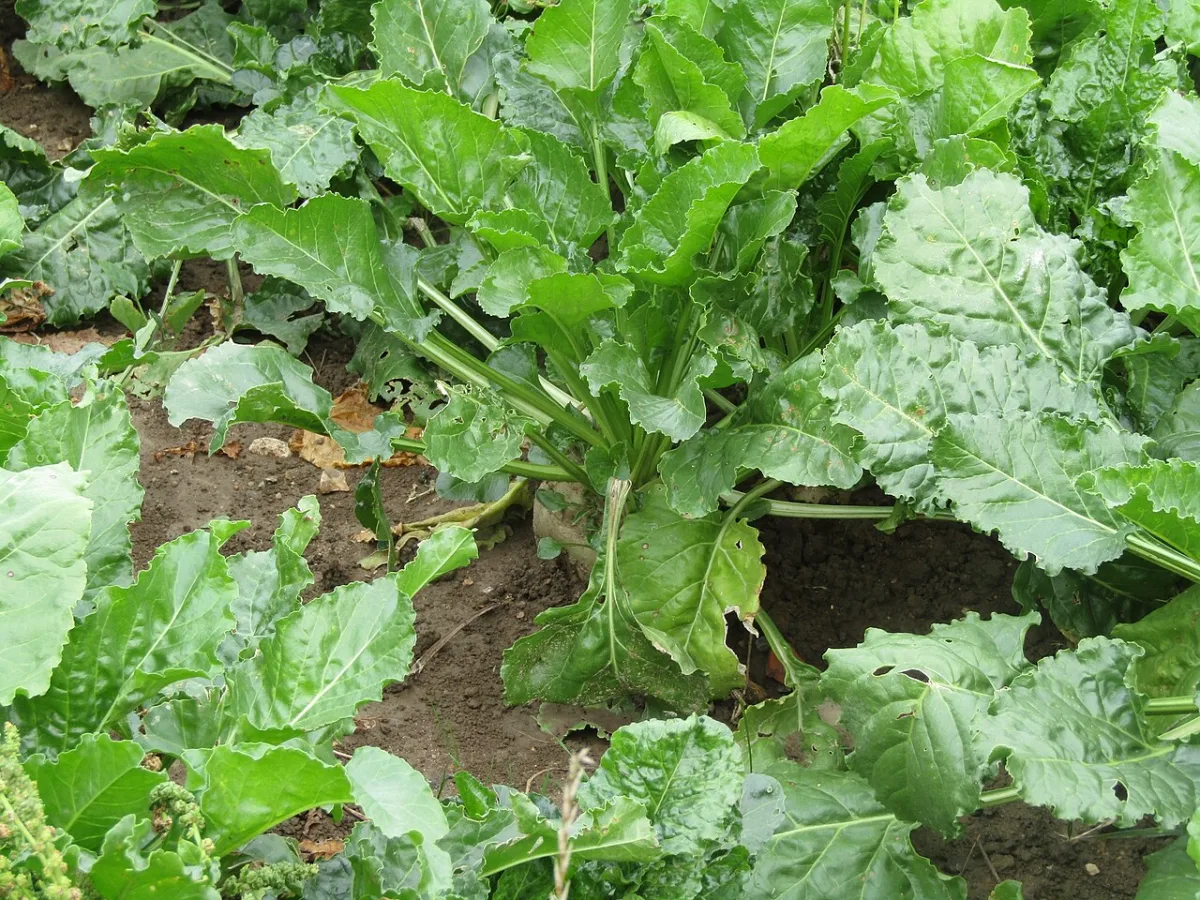
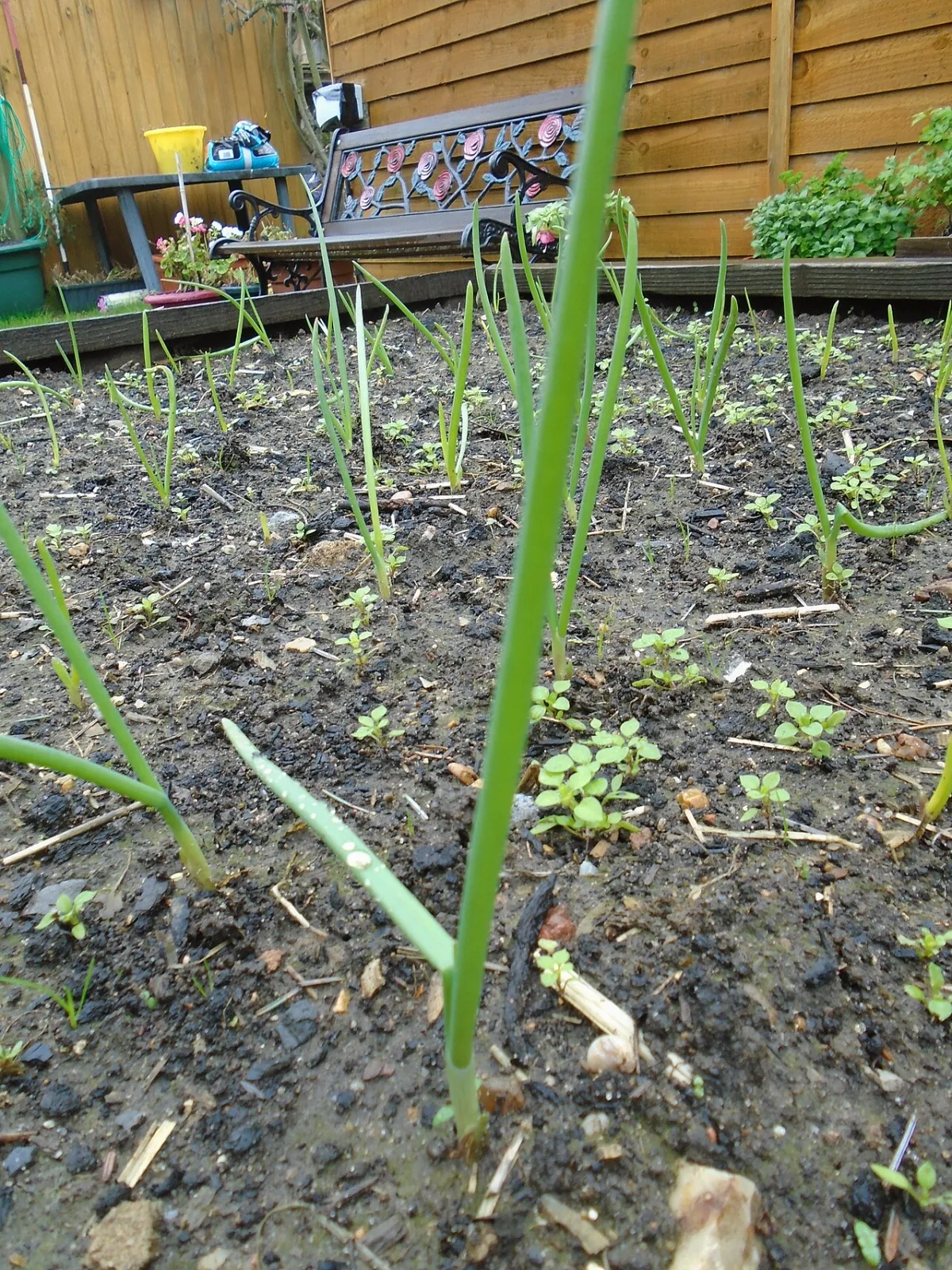
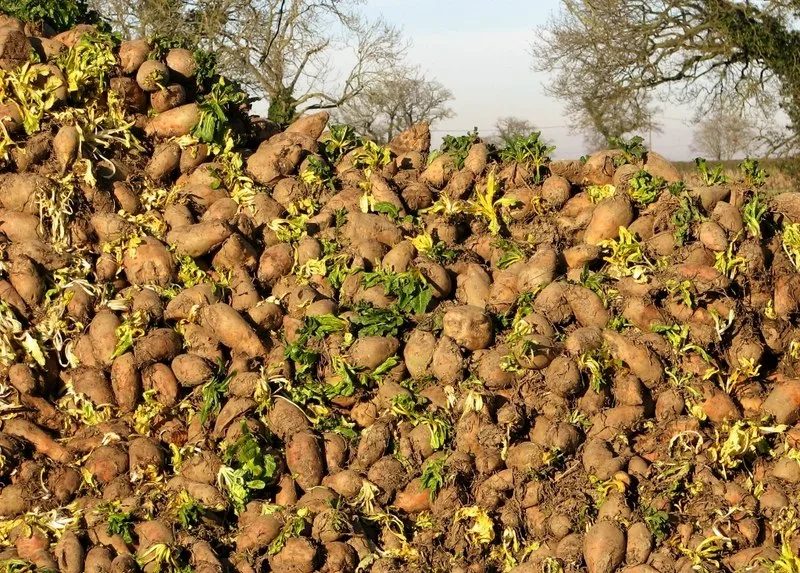
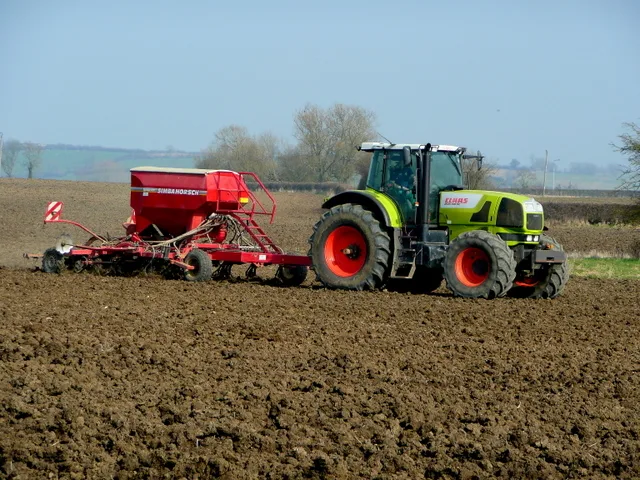
Root crops occupy a central place in modern plant production, serving as both valuable industrial and forage resources, as well as mass consumption products. For an agronomist and a practicing vegetable grower, working with these crops requires a deep understanding of their biological characteristics, agrochemical soil requirements, and the specifics of mineral nutrition. Successful cultivation of crops such as sugar beet, potatoes, carrots, or radishes is impossible without adherence to agrotechnical standards, proper crop rotation, and effective weed protection.
This selection contains materials covering key aspects of root crop cultivation: from botanical characteristics and chemical composition analysis to the nuances of nutrition and growing technologies in open and protected ground. Readers will find practical recommendations on the optimization of mineral fertilizers, weed control methods, and expert data on the use of root crops in feed production. The articles cover both issues of industrial production intensification and the foundations of field research, helping to systematize knowledge for obtaining a consistently high harvest.