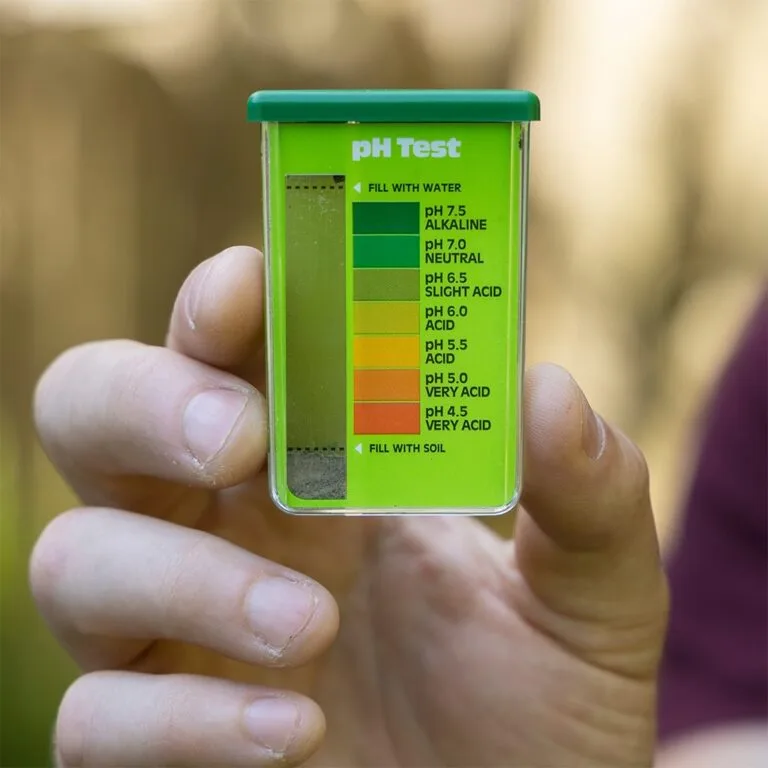
Molybdenum is a trace element whose availability to crops is closely related to the physical and chemical properties of soils, such as their pH and texture. For an agronomist and a practicing gardener, understanding the mechanisms of distribution and uptake of this element in the plant nutrition system is necessary for maintaining the productivity of agrocenoses. Molybdenum is of particular importance when cultivating legumes, as it ensures the effective operation of nodule bacteria that fix atmospheric nitrogen, which directly influences the formation of high yields of soybean and pea.
This selection contains a set of materials covering the fundamental and applied aspects of agrochemistry. Readers will find information on the patterns of trace element accumulation in the soil, methods for diagnosing their deficiency, and strategies for correcting plant nutrition. In addition to issues of using specialized fertilizers, the articles reveal the principles of calculating dosages, the importance of agrotechnical practices in crop rotation, and methods for analyzing substrates. The presented data will help systematize approaches to developing mineral nutrition systems that take into account the biological needs of crops and the current state of soil fertility to increase the overall efficiency of farming.