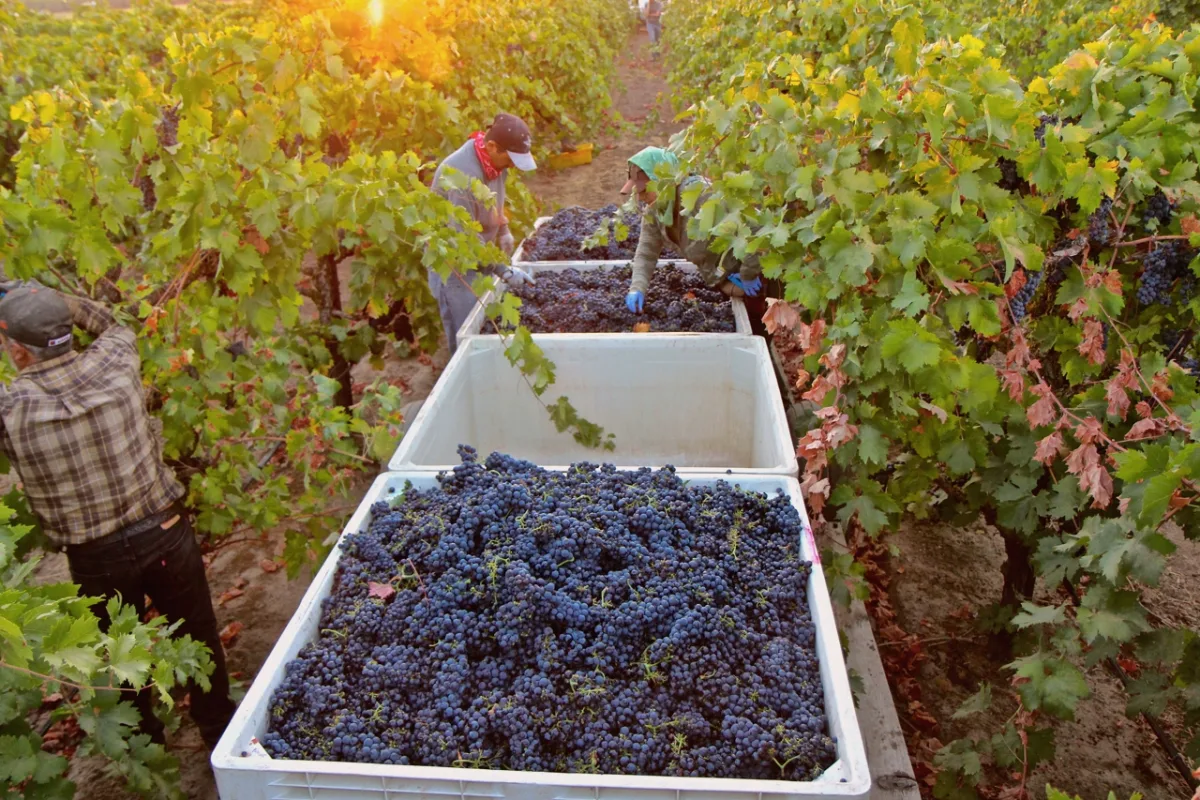
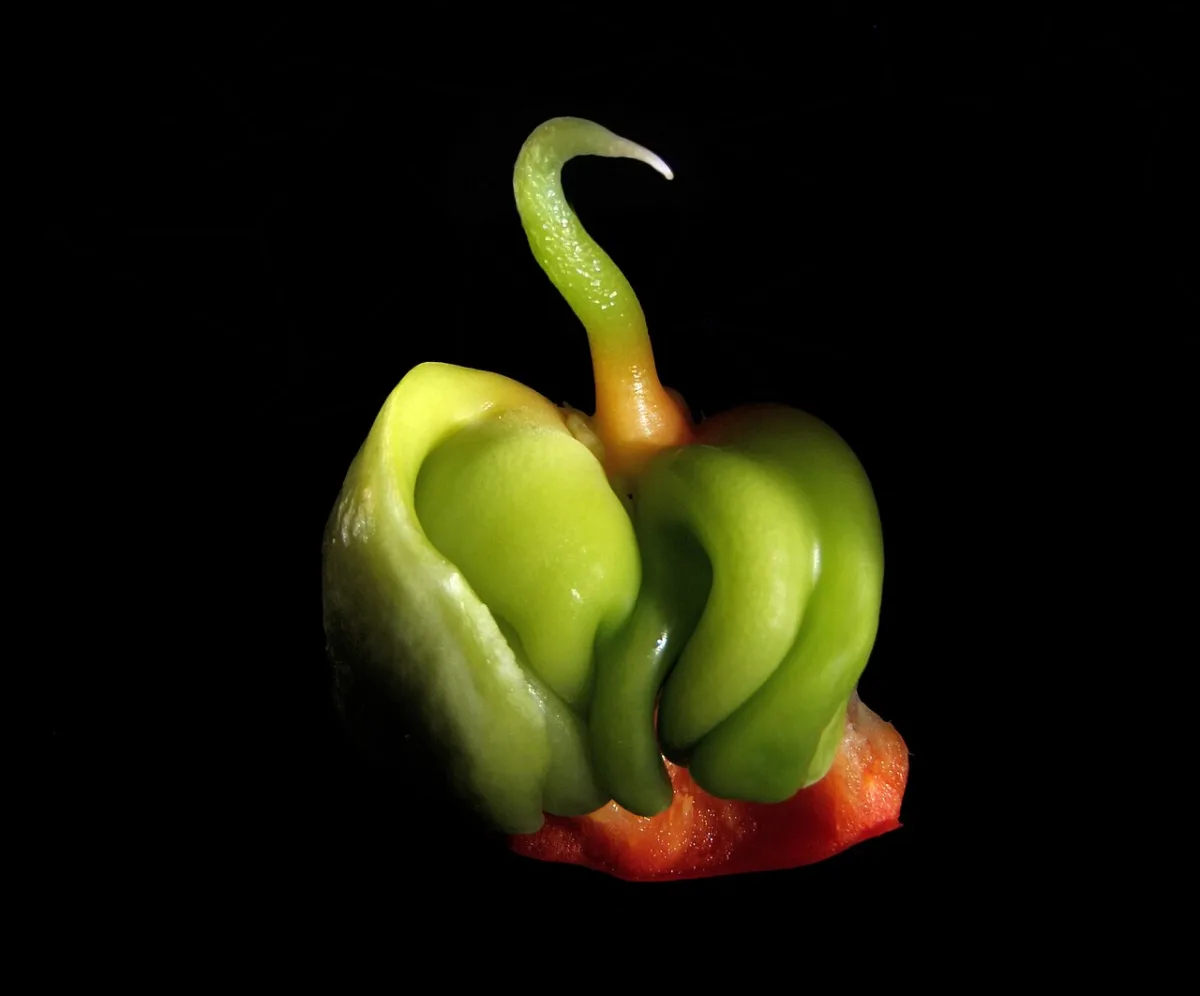
The concept of a "hybrid" in modern agriculture is the foundation of high productivity and economic efficiency. The use of hybrid forms allows agronomists and gardeners to purposefully manage the traits of plants and livestock animals, achieving the effect of heterosis, increased resistance to environmental factors, and early harvest maturation. Understanding the mechanisms of breeding, the patterns of inheritance of economically useful traits, and the specifics of working with hybrid material becomes a critically important skill for planning sowing and breeding operations, as well as for ensuring the profitability of production.
This compilation brings together expert materials on crop production and poultry farming, revealing both the theoretical foundations of the breeding process and the applied aspects of working with hybrids. Readers will find here practical recommendations for selecting cultivars and hybrids of tomatoes and cucumbers, methods for growing transplants using modern agrotechnical practices, and advice on keeping breeding poultry. In addition, the compilation includes articles dedicated to the plant protection of greenhouse crops against pests and the optimization of the microclimate, which will help take a comprehensive approach to improving product quality at every stage of production.