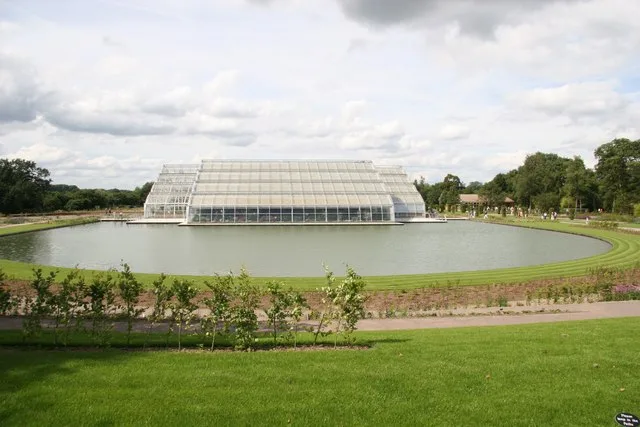
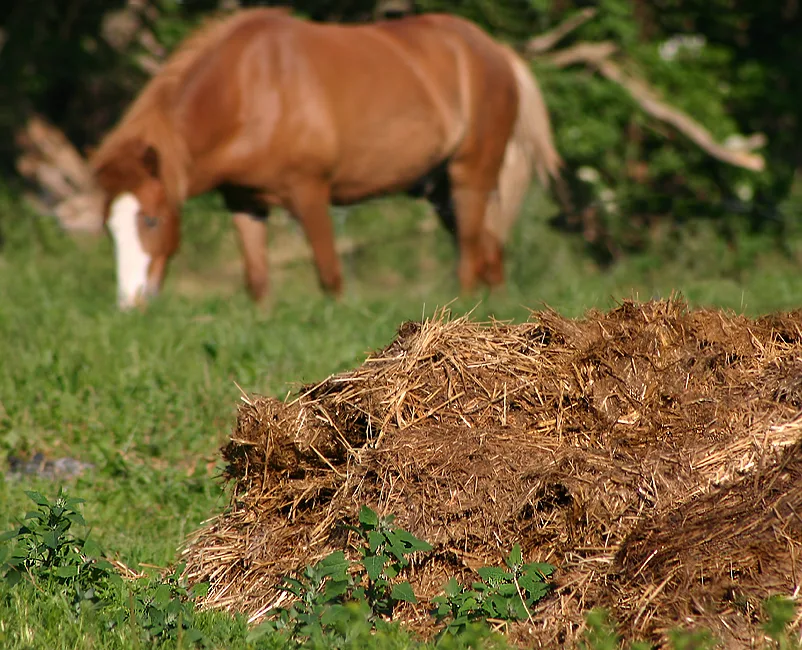
Heating in protected ground is a key factor in the efficiency of agrotechnical measures, determining the viability of transplants and the future yield of vegetable and melon crops. Properly maintaining the temperature regime in greenhouses and hotbeds allows for mitigating climate risks, extending the season, and optimizing conditions for photosynthesis. The choice of heating method—ranging from biological to automated electric systems—requires a comprehensive approach that takes into account the structure's design, its location on the site, and the specific biological requirements of the plants being grown.
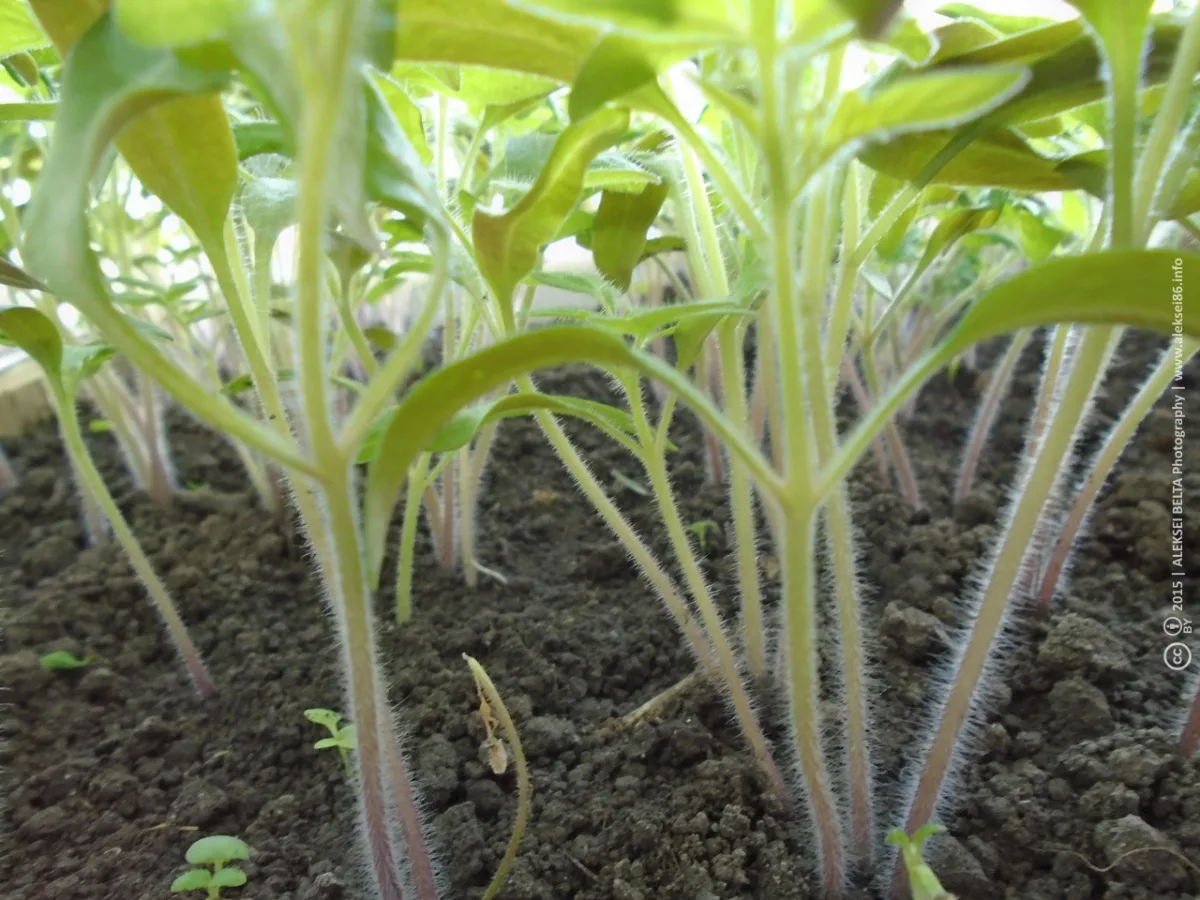
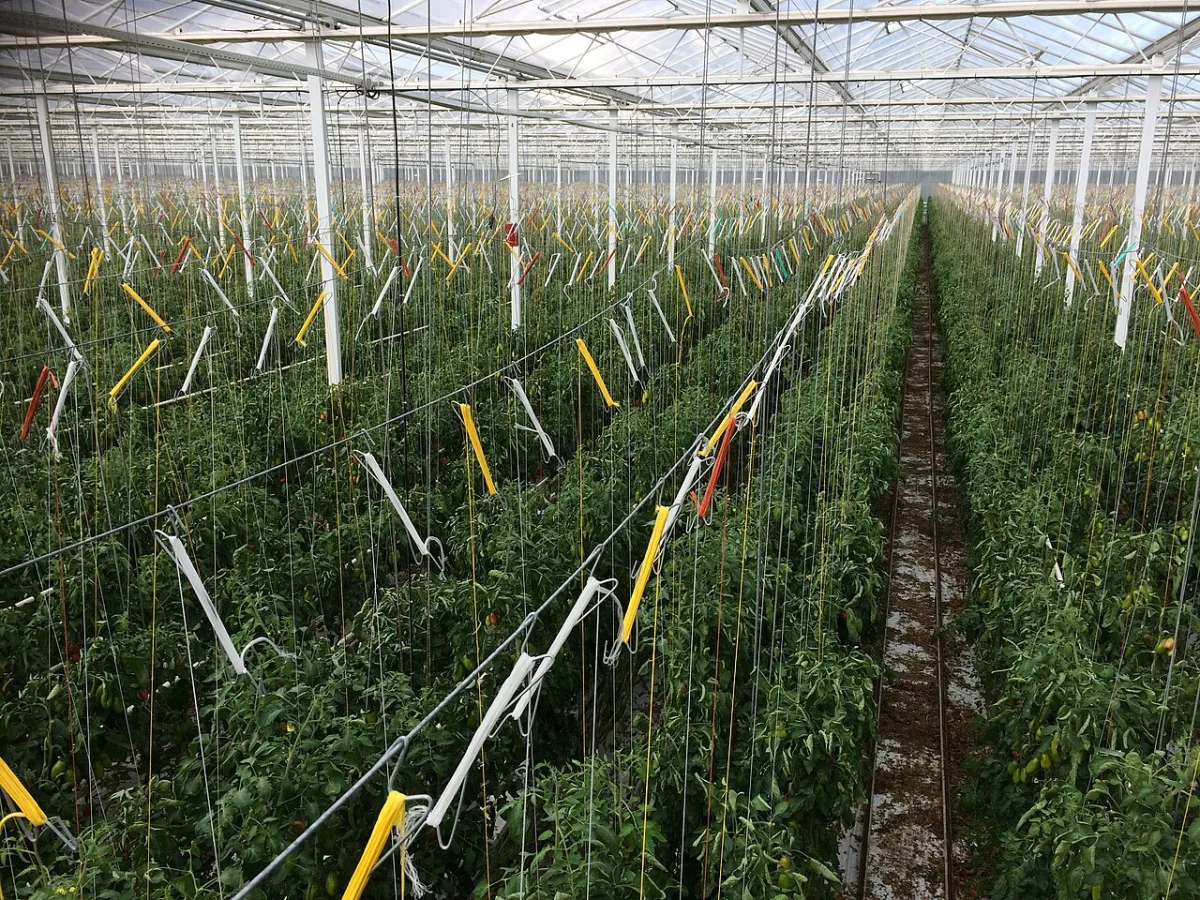
This selection brings together materials on the practical installation of heating and microclimate management systems. The articles cover the technical aspects of installing heating cables, designing water and furnace circuits, and using contact sensors to automate processes. In addition to engineering solutions, you will find recommendations on preparing substrates, selecting film covers, and the agrotechnical nuances of growing tomato, cabbage, and melon transplants. The materials will help systematize knowledge on creating a reliable thermal contour in greenhouses of any type: from small wall-mounted structures to industrial facilities.