
Siting of greenhouse structures and selection of polymer film covers
18 min read
Selecting a site for greenhouses and hotbeds
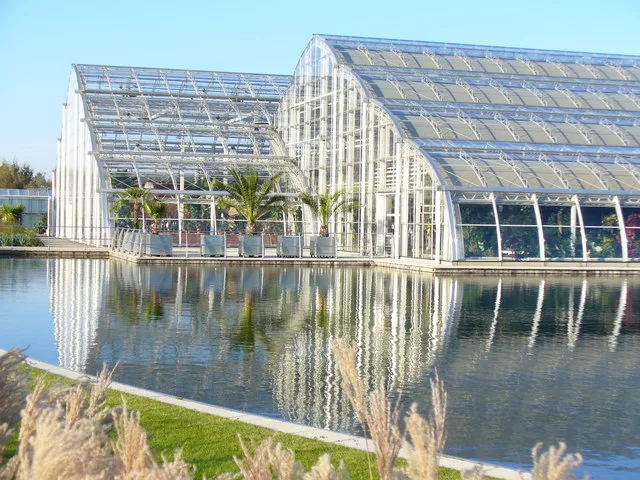
Choosing the right location for greenhouse structures directly affects the microclimate inside them and heating costs. Well-lit areas with light, cultivated soil and a slight slope to the south or southeast are best. It is advisable to have natural protection from the north side or the direction of prevailing winds in the form of a shelterbelt or buildings. To ensure plants receive maximum sunlight throughout the day, orient greenhouses with their long side from north to south.
Do not place greenhouses and hotbeds near hay or straw stacks. Such areas attract rodents, which can damage structural elements and destroy plantings.
Characteristics and features of polymer films
Polyethylene film remains the most popular cover material due to the affordable price of raw materials. It is elastic, frost-resistant, and allows carbon dioxide and oxygen, necessary for plant respiration, to pass through well. However, under the influence of atmospheric oxygen, heat, and ultraviolet light, polyethylene degrades quickly.
- Greenhouse film width — from 1500–3000 mm and more
- Greenhouse film thickness — 0.12–0.2 mm
- Thickness for small covers — 0.06–0.08 mm
- Polyethylene frost resistance — down to -60 °C
- Dimensional change during operation — 2–2.5 %
- Polyethylene melting point — 115–135 °C
Polyethylene film is hydrophobic, so condensate accumulates on its inner side. Droplets from the dome damage the plants during the growing season. In addition, due to the accumulation of static charge, the film quickly attracts dust, losing 24 % or more of its light transmittance.
The material is chemically resistant to concentrated acids and oxidizing agents, but loses strength when in contact with fats, oils, and rust on the frame. During use, polyethylene stretches or shrinks, so it must be periodically tightened on the structure. The melting point of 115–135 °C makes it easy to repair and weld sheets using heat.
For a single-season cover from April to September-October, it is economically justifiable to use regular unstabilized film from trusted manufacturers. Keep in mind that chemical stabilizer additives, which extend the service life of the material, can negatively affect the health of personnel working in protected ground.
Properties of the main greenhouse covers are shown in the table:
| Cover type | Visible light transmission, % | UV transmission, % | UV transmission range, nm | Service life |
|---|---|---|---|---|
| Unstabilized polyethylene film | 80–90 | 55–70 | 280–310 | 3–5 months (0.16–0.20 mm thick, with good tension, lasts from March to September) |
| Stabilized polyethylene film | 80–90 | 26 | 280–310 | up to 2.5 years or more |
| Polyvinyl chloride (PVC) film | — | 20 | — | longer than standard polyethylene |
| Reinforced polyethylene film (cells 20x30, 60x30 mm, etc.) | 75 | — | — | up to 6 years |
| Reinforced PVC film (cells 20x30, 60x30 mm, etc.) | 75 | — | — | up to 8 years |
| Silicate glass (for comparison) | 83 | 46 | from 315 and above | unlimited |
When choosing alternative materials, consider their specifics:
- Films with UV stabilizers and antistatic agents last up to 2.5 years or more, reduce dust accumulation, and improve the temperature regime in the greenhouse.
- PVC films transmit less ultraviolet light, but reduce heat loss in the infrared range, protecting plantings from night frosts.
- Bubble films are strong and retain heat well, but shade the greenhouse significantly, so it is recommended to use them only on the upper part of the roof, especially in southern regions.
- Rigid and semi-rigid plastics (multiwall polycarbonate, fiberglass-reinforced polyester sheets, acrylic or PVC) are suitable for permanent structures, while non-woven agricultural fabric is used for quick protection of seedlings in the field.
Practical application of non-woven materials: from frost protection to mulching
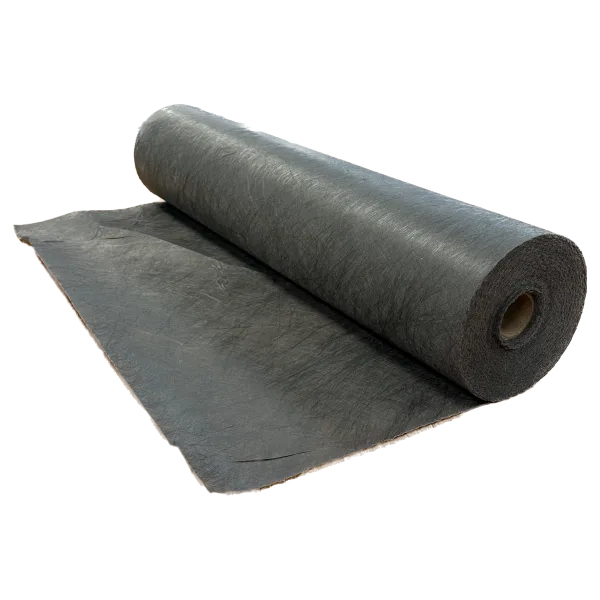
Non-woven polypropylene heat-bonded material (spunbond) is valued by agronomists for its lightness and practicality. Due to its high tensile strength and the addition of a UV stabilizer, it lasts for several seasons without losing its qualities. The material allows water to pass through perfectly, so plantings under it are irrigated by natural precipitation without the need for manual labor. In hot periods, soil moisture is retained longer under such a cover, and low thermal conductivity protects plants from spring frosts.
The choice of a specific brand depends on the tasks facing the farm and the forecasted critical temperatures. Non-woven materials like Pegas-agro, Lutrasil, and its modifications (Thermoselect-17, Photoselect-60) possess similar properties.
| Material brand | Properties and purpose | Frost protection limit |
|---|---|---|
| Spunbond-17 (white) | Lightweight agricultural fabric for laying directly on plants | down to -3 °С |
| Spunbond-30 (white) | Medium density, seedling protection | down to -7 °С |
| Spunbond-60 (white) | High density, requires a supporting structure | down to -9 °С |
| Spunbond (black) | Mulching, effective weed control | — |
Lightweight grades of agrofibre can be laid directly onto garden beds without tension. For mature and tall plants, it is better to construct low wire hoops so as not to suppress growing points. Dense fibre requires the mandatory use of support frames; otherwise, stems may deform under its weight. The edges of the material are fixed with soil along the entire perimeter, and after the end of the season, the cover is dried and stored in a dark, dry place.
When laying lightweight agrofibre directly on plants, avoid tensioning the material. For large and fast-growing crops, always use wire hoops.
Light regime in a greenhouse: spectrum management for increased productivity
In a protected environment, an agronomist can artificially regulate temperature and humidity, but the sun remains the primary light source. Plants utilize both direct sunlight and diffuse light, which is formed as rays pass through clouds, dust, and atmospheric gases. Total radiation determines not only the growth rate but also the selection of crops grown in the greenhouse. For effective climate control, it is important to understand how different parts of the light spectrum influence plant physiology.
The short-wave region of the spectrum, within the boundaries of 380 to 710 nm, is of the greatest importance for photosynthesis. This range is called photosynthetically active radiation (PAR). Notably, diffuse light contains more PAR than direct sunlight.
- PAR range — 380–710 nm
- PAR in diffuse radiation — 50–60%
- PAR in direct radiation — 35–40%
- UV share in the solar spectrum — up to 5%
The remaining ranges of solar radiation are distributed as follows:
- Short-wave radiation (main energy flow) — from 280 to 3000 nm;
- Long-wave radiation — over 3000 nm;
- Visible part of the spectrum — from 400 to 750 nm;
- Infrared region — over 750 nm (includes near 750–2000 nm and far over 2000 nm);
- Thermal radiation — from 5000 to 15 000 nm.
Ultraviolet radiation is critically important for hardening transplants before planting. Plants grown without exposure to UV rays will instantly suffer burns, shed leaves, and die when transferred to open soil. Since there are no rays shorter than 295 nm in the natural solar spectrum, and the total share of UV does not exceed 5%, it is important to ensure maximum access of this radiation to plants. Different types of ultraviolet waves have varying effects on a crop:
- Short-wave UV (less than 280 nm) is destructive: it damages chloroplasts, suppresses growth, and causes protein denaturation;
- Medium-wave UV (280–315 nm) stimulates the accumulation of vitamins and proteins but is safe only under long-term exposure in small doses;
- Long-wave UV (315–380 nm) activates chlorophyll synthesis and restrains excessive shoot length growth.
The infrared part of the spectrum with a wavelength of more than 1000 nm is absorbed by water in leaf tissues and directly regulates their temperature. Solar thermal radiation contributes to the accumulation of dry matter and the proper formation of the bush. However, this effect depends directly on the overall air temperature in the structure.
The positive effect of infrared radiation with waves over 1000 nm is manifested only at temperatures below 20 °C. If the air temperature in the greenhouse exceeds 30 °C, the impact of these rays becomes negative.
At night, long-wave radiation of 5—25 thousand nm is the only source of energy coming from the atmosphere to the soil surface. The spectral radiation curve has a minimum value at 10 thousand nm. This region is where the maximum radiation from the soil and plant cover occurs. On clear nights, radiation from the soil and plant cover prevails over incoming radiation; therefore, to conserve the heat accumulated during the day in the cultivation structure, it is necessary for the covering materials to have a transparency coefficient close to 0 in the 5—12 thousand nm range.
Illuminance intensity. The height of the sun above the horizon determines the intensity of solar radiation. The lower the sun is above the horizon, the less solar radiation reaches the earth's surface. In winter, the illuminance intensity in greenhouses is 1/5 or 1/10 of the radiation intensity on a clear summer day and may fall below the threshold value. The radiation penetrating through the translucent enclosure determines natural illumination.
In cucumber, photosynthesis exceeds respiration at an illumination intensity of 0.0132 cal/cm² per minute (2 thousand lux). Normal growth of vegetative organs occurs at 0.0396 cal/cm² per minute (6 thousand lux), and normal development and fruiting are possible at 0.066 cal/cm² per minute (10 thousand lux). Tomato requires a higher illumination intensity. Forcing crops (onions, parsley, etc.) can tolerate an illuminance of 1 thousand lux.
Light is the primary energy source for photosynthesis. As light intensity increases, the quality of production improves, vitamin content increases, the quantity of nitrates and nitrites harmful to the organism decreases, and the intensity of photosynthesis grows proportionally. A 1% increase in illumination during the winter period results in a 1% yield increase. For the majority of plants, this correlation holds within a light intensity range of 0.132—0.264 cal/cm² per minute (20—40 thousand lux). With further increases in light intensity, the rate of photosynthesis begins to decline and then levels off at a specific plateau.
Ensuring optimal illumination is crucial for obtaining high-quality produce with minimal nitrate content. During the winter, when light levels are low, nitrate accumulation in greenhouse vegetables is 2—4 times higher than in summer. Extremely high illumination (above 60—70 thousand lux) can inhibit plant growth and even cause damaging burns due to elevated leaf temperatures.
Scientific guidelines have already been established for the timing of cucumber and tomato transplanting into winter greenhouses under natural light, as well as for the necessity of supplemental electric lighting in greenhouses.
Based on the influx of natural photosynthetically active radiation (PAR) during the most critical months (December, January), the territory of the former USSR is divided into light zones. The first zone includes regions where the total PAR penetrating greenhouses in December—January is 110—220 cal/cm² on a horizontal surface; the second is 410—560, the third is 670—970, the fourth is 1000—1380, the fifth is 1420—1660, the sixth is 1740—2280, and the seventh is 2730—3600 cal/cm². The territory of Ukraine is primarily located in the fourth light zone (46°40′—56°52′ N). The southern part is located in the fifth light zone (45°40′—52°11′ N). Only the central and southern parts of the Autonomous Republic of Crimea are included in the sixth light zone.
To determine the growing and planting of transplants schedules and the onset of fruiting, daily and monthly mean PAR totals, PAR intensity, and plant requirements for PAR are used.
Based on natural illumination conditions, planting cucumbers in greenhouses in the first and second zones is advisable in February, in the third and fourth — in January, and in the fifth through seventh — at any time of the year. Planting tomatoes in the first zone is recommended in mid-March, in the fourth — in January, and in the seventh — at any time of the year.
Under natural light, cucumber transplants can be grown in the fifth through seventh light zones, and tomato transplants — in the seventh zone. In other regions, artificial supplemental lighting for transplants is necessary.
Supplemental lighting for transplants. Electric lighting is only practical when growing transplants. When growing vegetables, it is generally uneconomical. Electricity consumption for this purpose reaches 150—200 kWh per 1 kg of produce.
In industrial vegetable production, high-pressure DRLF-400 lamps (arc mercury-fluorescent lamps) mounted in OT-400 greenhouse illuminators, and DRF-1000 lamps with OT-1000 illuminators, have found application.
During the first stage of growing transplants, OT-400 illuminators are placed in 2 rows with a spacing of 1 m between them and at a height of 0.9—1 m from the plants. Their installed capacity during this period is 240 W/m². After spacing out the transplants (20—25 plants per 1 m²), the lamps are arranged in four rows using a 1.6x2 m pattern and raised to a height of 1.2—1.3 m. The installed capacity is then 120 W/m². The duration of supplemental lighting before spacing is 14—16 hours, and 12 hours per day after spacing.
OT-1000 illuminators are suspended at a height of 1.6—2.5 m, with a distance of 2.5—3 meters between the lamps.
New lighting installations are being created and implemented in production using high-pressure sodium lamps (DNAT-400) and metal-halide lamps (DRI-400-5), which have higher luminous efficacy, radiant flux power, and efficiency.
When growing transplants in an apartment during January and February, supplemental lighting must be used. Typically, fluorescent lamps are used for this purpose.
Methods for improving the light regime. In protected ground structures, the light regime is improved by reducing the roofing's load-bearing elements.
Light regime: how to squeeze the maximum out of natural lighting
The light regime in plastic greenhouses is initially better than in glass ones due to fewer roof load-bearing elements. In such structures, illumination reaches 70–80% of the external level. This is 10% higher than under glass and 15–25% superior to the performance of standard hotbeds. However, dust quickly negates this advantage.
Dust accumulation on the film reduces illumination by 18–20% or more, and on glass — by up to 55%. Therefore, greenhouses are always located away from sources of dust. Glass surfaces must be cleaned at least twice a year.
To clean the glass, use a solution of 2–5% ammonium fluoride and 0.5–1% of one of the mineral acids: nitric, phosphoric, hydrochloric, or sulfuric.
Lighting is directly influenced by the orientation of the greenhouse and the rows. In winter, greenhouse ridges are oriented from west to east; in spring, from north to south. Plant rows in spring greenhouses are also placed meridionally (from north to south) — this noticeably increases their productivity.
If light is insufficient, its utilization by plants can be improved using agrotechnical methods. To do this, the concentration of carbon dioxide in the air is increased to 0.15–0.25%, and potash nutrition is enhanced. Also, to improve light reflection, clean pine sawdust (150–200 g/m²) or chopped straw (300 t per 1 m²) is applied to the soil.
- Film light transmittance — 70–80%
- Reduction in light due to dust on the film — 18–20%
- Reduction in light due to dirt on the glass — up to 55%
- Light reduction from the second film layer — 20%
- Optimal CO₂ concentration — 0.15–0.25%
Thermal regime: heating sources and greenhouse economics
The temperature in a greenhouse depends on the thermal insulation properties of the enclosure, the heating system, and ventilation. The cheapest heat sources remain geothermal waters and waste heat from industrial enterprises. In winter greenhouses, heating accounts for 30 to 50% of all operating costs, so the cost of the heat carrier is extremely important here. In spring film structures, heating costs are lower, and the main share of expenses goes to depreciation and maintenance of equipment — in such conditions, even electric heating is profitable.
Solar heating due to the greenhouse effect increases the air temperature in structures by 10–30 °C. Short-wave solar rays pass through the film or glass, turn into thermal energy, and can no longer escape back in the form of long-wave infrared radiation. Using short-term heat accumulators inside the greenhouse itself allows for saving 40–50% of thermal energy. However, one cannot rely entirely on the sun in film greenhouses.
Polymer films have high permeability to infrared rays, therefore, with solar heating alone, it is impossible to protect plants from frosts without additional measures.
Biological heating is based on the heat generated by the vital activity of microorganisms decomposing organic matter. Manure, municipal waste, wood sawdust, bark, and straw are used as biofuel. Manure and straw are the most effective. More than 100 billion bacteria live in 1 cm³ of manure, their mass amounting to 10–15% of its dry matter. Different types of manure perform differently.
| Type of biofuel | Maximum heating temperature | Cooling dynamics | Timing and conditions of use |
|---|---|---|---|
| Horse manure | 60–70 °С | Decreases slowly, reaching 27–30 °С after 2 months | Used from January–February in early hotbeds and greenhouses |
| Cattle manure | No more than 53 °С | Cools down quickly to 28 °С within 7–15 days | Used for medium-sized hotbeds; sawdust or straw is added for better heating |
Biological heating occurs only when a favorable environment is created for microorganisms. If key parameters are violated, the decomposition process will slow down or stop completely. For effective "combustion" of biofuel, it is necessary to strictly control the parameters of the raw material and the environment.
- good aeration (air access);
- presence of easily digestible nitrogenous compounds;
- moisture content of raw materials within 65–70%;
- neutral or slightly alkaline environment reaction;
- initial positive temperature not lower than 5–8 °С.
Biological and electric soil heating in greenhouses
The use of biofuel allows for significantly reducing energy resource costs in the spring period. In industrial vegetable production, manure is practically not used due to the high labor intensity of the process and difficulties with temperature regulation. However, for small farms, manure remains the most accessible means of heating hotbeds. Using straw yields an even more effective result: during its decomposition, carbon dioxide is released, humic acids are formed, and beneficial microflora is activated. This stimulates plant growth and increases crop yield.
- Increase in cucumber yield on straw — 30–40 %
- Straw consumption per hectare — 50–200 t
- Heating power in winter — 300–400 W/m²
- Heating power from the end of March — 100–150 W/m²
When calculating the technical heating of film greenhouses, the power of heating elements is determined based on the area of the light-transmitting cover. In winter, maximum output is required, while the rate is reduced from late March. About two-thirds of the thermal power is consumed for air heating in the greenhouse, while one-third is directed toward heating the soil layer. The main option for winter structures remains water heating with forced circulation.
Electric soil heating is the most technologically advanced option, which allows for full automation of the heating process and is indispensable as an emergency system. In practice, three main methods of laying heating elements are used:
- Element heating: 2.5–3 mm cross-section steel wire in insulating pipes. Suitable for warming the soil in hotbeds and greenhouses, as well as the air in small-sized covers.
- Uninsulated wire heating: 4–7 mm cross-section steel wire is laid in rows in a layer of sand and connected to a low-voltage network from 24 to 50 V.
- Cable heating: specialized heating wires of the POSKhVP and POSKhVT brands with an outer diameter of 3 mm are used.
Uninsulated wire heating has serious disadvantages: the system requires the installation of a step-down transformer, the metal quickly deteriorates due to corrosion and is difficult to replace, and maintaining an active installation is unsafe for personnel.
The use of insulated POSKhVP and POSKhVT wires (steel core in polyvinyl insulation) solves the problems of corrosion and safety. The wire can be laid both directly into the soil and on the soil surface. The surface installation method is the most economical to operate, where the wire is assembled in sections on wooden slats, and nutrient pots with seedlings are placed on top. After the cycle is completed and the seedlings are harvested, the heating sections are simply coiled and stored together with the slats until the next season.
To automatically maintain a set temperature, electric heating systems are connected via thermostats. Most often, farms use devices of the DTKB-53, PTR-2.04, and ERA-M brands.
Read next
Greenhouses and covers For gardeners
Frame covers and modern agrotextile materials for plant protection
Greenhouses and covers For gardeners
Application of non-woven cover material Spunbond in modern crop production
Greenhouses and covers For gardeners