
Application of non-woven cover material Spunbond in modern crop production
4 min read
Advantages and characteristics of spunbond in crop production
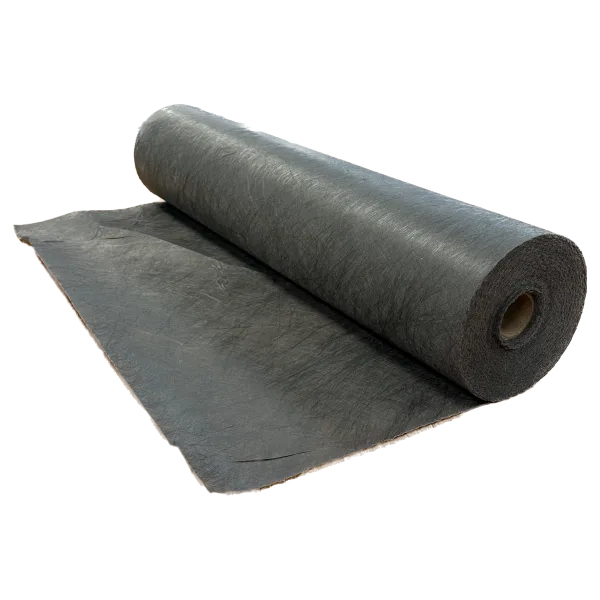
Spunbond is an environmentally friendly, lightweight non-woven material. Unlike polyethylene film, spunbond is highly permeable to light, water, and air. This creates the necessary microclimate for plants, which can be irrigated directly through the material.
Spunbond with a density of 17 g/m² is used to protect vegetables, fruits, berries, and ornamental plants in open ground, as well as shrubs, from scorching heat and short-term night frosts (down to —1-2 °С). The air, water, and light permeability, along with the material's low thermal conductivity, ensure a favorable microclimate for plant growth. The material protects plantings from insect pests, birds, and hail. The use of fabrics with a density of 17 and 30 g/m² accelerates fruit ripening in the climatic conditions of the middle latitudes.
- preventing plant overcooling and overheating, ensuring an optimal microclimate for their development;
- reducing soil moisture evaporation, maintaining its optimal humidity, and decreasing the irrigation rate;
- ensuring an optimal balance of night and day temperatures;
- reliable protection against pests and diseases.
Lightweight, durable, and environmentally friendly, spunbond is highly air and water permeable and creates diffused light. It acts as a kind of barrier between the cold external air and warm evaporation from the soil; therefore, the temperature and humidity in the hotbed space and greenhouses covered with spunbond remain quite uniform throughout the day. It is difficult to achieve such a result with, for example, structures using polyethylene film.
Furthermore, this non-woven material is significantly more durable than film (it can last, on average, for three to four seasons) and is resistant to the effects of both sun and frost.
Classification and use of covering fabrics
Depending on the intended purpose, the surface density of covering spunbond ranges from 15 to 60 g/m². As it increases, the number of fibers and the volume of inter-fiber spaces within the material increase, improving its thermal insulation properties.
One side of the non-woven material fabrics is laminated. If used as the outer side, plants will be protected from excess water during the rainy season. At the same time, the non-laminated ("fluffy") side retains the moisture evaporating from the soil surface, preventing the plants from drying out.
A feature that distinguishes spunbond for agricultural purposes from other technical non-woven materials is the presence of special substances (UV stabilizers) in its composition, which protect the fabrics from destructive ultraviolet radiation. It is their presence that ensures a sufficiently long service life of the material without significant loss of strength properties.
Recently, technical fabrics that do not contain UV stabilizers have been appearing on the market under the guise of agrotextiles. Their service life is extremely limited.
Spunbond with a density of 42 and 60 g/m² is used for covering greenhouses and protecting shrub and tree nursery plants from freezing during the winter period. The material is permeable to water and air, and it protects plants from light night frosts (down to —3—4 °С) and cold mists. The fabric creates a favorable microclimate and increases the growing season of the plants. The material has high strength and is produced with a UV stabilizer. The service life in the conditions of the middle latitudes is three seasons.
Spunbond with a density of 60 g/m² (black) is intended for protecting soil from weeds (mulching). Unlike the covering material, mulching spunbond contains a special pigment that colors the fabrics black (the so-called "black spunbond"). As a rule, it has a higher surface density than the covering one — 40—60 g/m².
Using spunbond as a mulching material makes it possible to:
* reduce the irrigation rate and moisture evaporation from the soil;
* ensure rapid soil warming and consistently maintain the required temperature;
. prevent contamination of fruits and berries, and the formation of rot and mold on the soil and plants;
* limit the growth of weeds, including perennial ones;
* reduce the need for the application of pesticides and herbicides.
Soil under spunbond mulch does not compact, remaining loose throughout the entire growing season of the plants without additional tillage. Due to the porosity of the material, it easily allows water and liquid fertilizer application to pass through. "Black" spunbond, when left on the soil during the winter period, protects roots quite reliably from freezing. Due to the black color, the fabrics absorb thermal radiation, which contributes to good soil warming. This is very important when growing heat-loving plants — for example, cucurbit crops, early vegetables, and berries. Like covering materials, mulching materials must also contain a UV stabilizer.
Spunbond possesses unique qualities that allow it to be used as a cover material with greater efficiency than substitute materials (it allows air and water to pass through well, creates diffused light; provides uniform temperature and humidity throughout the day; it is more durable;
resistant to the effects of the sun and frost). When calculated based on the number of seasons of use, non-woven agrotextile is more economically viable for consumers than other substitute materials (especially general-purpose polyethylene film).
Read next
Greenhouses and covers For gardeners
Frame covers and modern agrotextile materials for plant protection
Greenhouses and covers For gardeners
Application of agrotextile for protection and cultivation of garden crops
Greenhouses and covers For agronomists