
Advantages of using white non-woven material in vegetable growing
5 min read
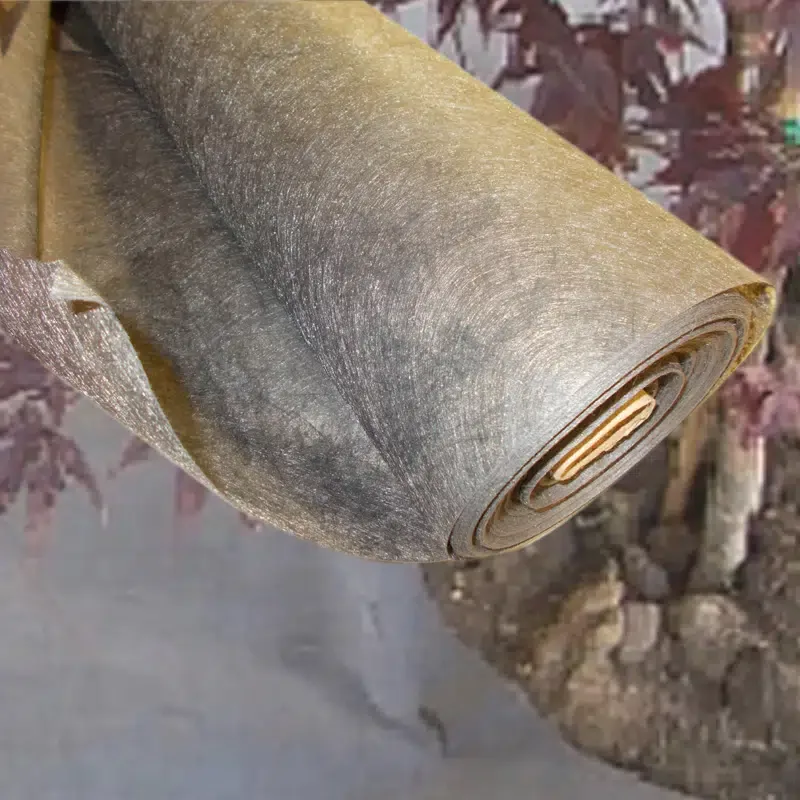
How non-woven material controls the microclimate in a garden bed
Agronomic non-woven material is made from fine polypropylene fibers, stabilized with antioxidants for protection against UV rays. During the production of black material, the dye is added directly at the fiber formation stage, and the fabric itself can be easily cut or glued to fit the required width of the garden bed. A thin layer of material creates a closed space over the plants with its own microclimate that allows light, water, and air to pass through. This slows down the evaporation of soil moisture, thanks to which, after precipitation or irrigation of 15-20 mm, the top layer of soil maintains its humidity for 5—7 days.
- Improvement of seed emergence — by 15-20%
- Preservation of soil moisture — 5—7 days
- Size of hail without leaf penetration — up to 1 cm
- Recovery of cucumbers after hail — in two weeks
Consistently high humidity accelerates the emergence of seedlings, making it more uniform and consistent. Compared to open garden beds, seed emergence increases by 15-20%, ensuring optimal plant density. As a result, the use of a cover improves crop yield and allows for more frequent harvesting. Using the material is especially beneficial when planting transplants in the summer months or in areas without artificial irrigation. In such conditions, the fabric prevents the death of young plants, allows for a reduction in the number of irrigations, and increases the intervals between them.
The effectiveness of protection against low temperatures directly depends on the current stage of development of the vegetable crops and the total duration of the frost.
The cover allows for the planting of transplants or the sowing of early vegetables as soon as the weather permits the preparation of the soil. Lettuce, cauliflower, kohlrabi, early cabbage, and radish develop well under the material. Spring frosts do not damage seedlings thanks to the moisture that freezes on the inner side of the fabric and forms a protective ice layer. When the sun appears, the air under the cover warms up gradually, which allows the plants to thaw without damage.
| Time of day | Temperature indicator under the material |
|---|---|
| Daytime temperature | higher by 5-12 °С (up to 20 °С on sunny days) |
| Nighttime temperature | higher by 1,5-3 °С |
The material also smooths out sharp daily temperature fluctuations, as the soil heat accumulated during the day radiates more slowly at night. In the summer period, the cover partially protects plantings from hail. When small hail falls with hailstones up to 1 cm in size, the leaf blades of the plants are not punctured. Even during heavy hail, cucumber leaves remain intact, and the planting itself fully recovers within two weeks. On light soils, the fabric additionally protects seedlings from desiccating spring winds.
Protection against pests, diseases, and animals without unnecessary chemicals
A well-secured non-woven material on a garden bed serves as a reliable physical barrier against flying pests. This is the most effective method of protecting cruciferous crops from the cabbage root fly, which lays eggs near the root collar, against which chemical agents are ineffective. Under the fabric, seedlings of 'pak-choi' Chinese cabbage, radish, swede, and other root crops remain inaccessible to insects. The cover also protects plants from the cabbage flea beetle, cabbage moth, cabbage white butterfly, and small white butterfly.
For reliable protection against pests, birds, and rodents, the edges of the non-woven material must be carefully secured in the soil immediately after sowing or planting transplants.
Under the cover, the risk of developing dangerous diseases is significantly reduced. Cucumber crops for salad remain healthy until the end of the growing season with minimal chemical treatments. If protective spraying is necessary, for example with copper-containing agents, the preparations can be applied directly over the covered plants. The liquid solution penetrates freely through the fibers of the fabric without loss of treatment effectiveness.
In addition to insects, the material protects early vegetables from birds and mammals. Overwintering species, such as 'AgKka' savoy cabbage and 'Nit!' lettuce, often suffer from hares and large game. Birds are also capable of completely destroying early lettuce seedlings planted in March. Using correctly secured non-woven material completely prevents browsing and preserves the harvest.
Black non-woven material is used primarily for mulching plantings of heat-loving vegetables and strawberries. It has a higher density and prevents water evaporation from the soil surface to a greater extent than white non-woven material. This is especially important for heat-loving vegetables (for example, cucumbers, watermelons, and green peppers), most of which have a shallow root system and react to an insufficient amount of moisture by dropping flowers, fruit shriveling, etc.
Covering with non-woven material significantly reduces the number of irrigation doses, as well as the total water requirement for supplementary irrigation. Black non-woven material is an effective means of weed control, including perennial weeds. This translates into savings on crop cultivation costs, as well as on the application of herbicides.
Mulching with black non-woven material prevents the fruit from becoming soiled with earth, mainly during irrigation or precipitation. This is particularly advantageous when growing fruit and vegetable crops such as green peppers, cucumbers for salad, bush tomatoes, and strawberries. Mulching protects the fruit (especially strawberries) from damage by pests (in particular, slugs), resulting in significantly lower losses compared to uncovered plots, and furthermore, it eliminates the need for chemical plant protection methods.
Covering the soil with non-woven material reduces the risk of fungal diseases. For example, strawberries are often affected by gray mold. On uncovered soil, harvest losses without prior chemical treatment amount to 50% or more, whereas with non-woven mulch, the degree of infestation in years of widespread gray mold does not exceed 19-20%.
Read next
Greenhouses and covers For gardeners
Application of agrotextile for protection and cultivation of garden crops
Greenhouses and covers For gardeners
Frame covers and modern agrotextile materials for plant protection
Greenhouses and covers For agronomists