The growing season is a key period of time during which a plant actively grows and develops, passing through all stages from germination to crop ripening. Understanding the biological characteristics of this process, as well as the ability to competently manage environmental factors — soil nutrition, water regime, and temperature indicators — allows the agronomist and the gardener to maximize crop productivity. Knowledge of the laws of organism development helps to more accurately forecast yield and optimize resource use at each stage of the plant life cycle.
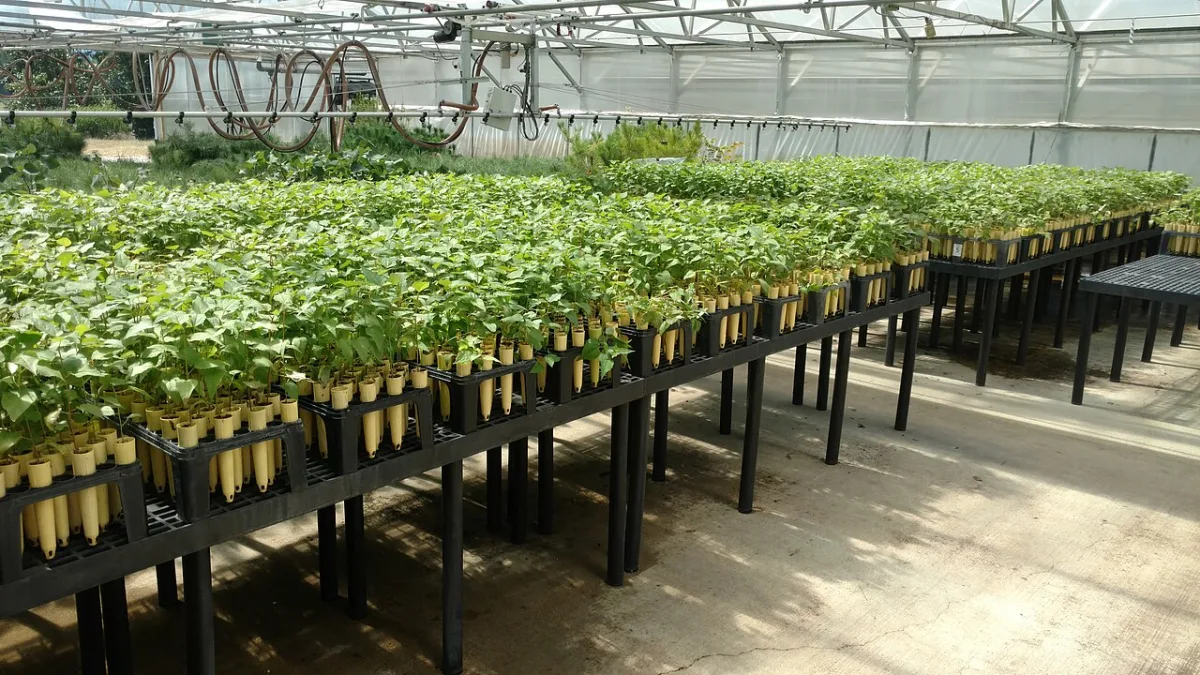
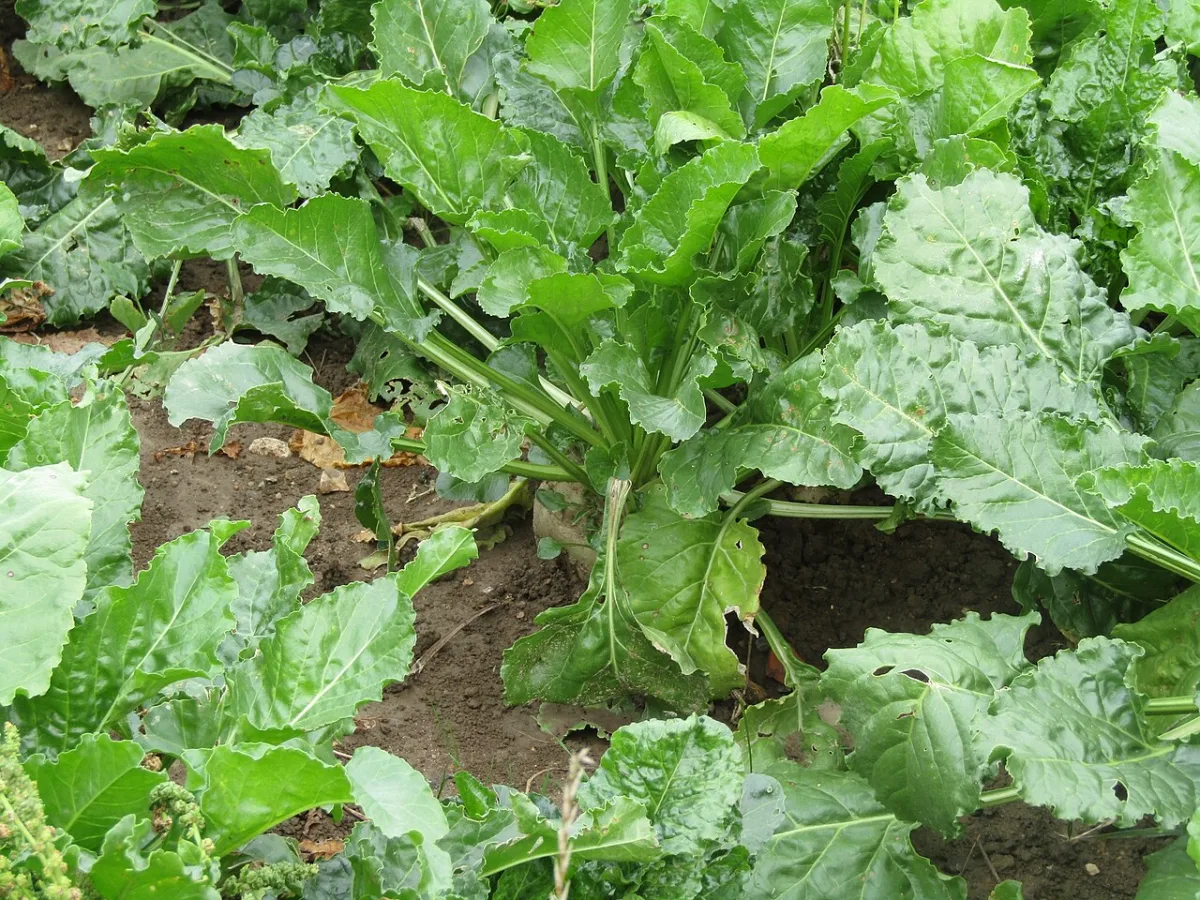
The presented collection gathers materials covering a wide range of agronomic tasks. Readers will find information on methods for extending the growing season using greenhouses, specifics of cultivating sugar beet, carrots, and lentils, as well as the principles of balanced mineral nutrition for vegetable crops and potatoes. Special attention is paid to irrigation technologies, water consumption forecasting, and the role of the biological phase of the soil in maintaining soil fertility. These articles will help both professionals and amateurs to take a systematic approach to managing plant productivity and intensifying agricultural production.