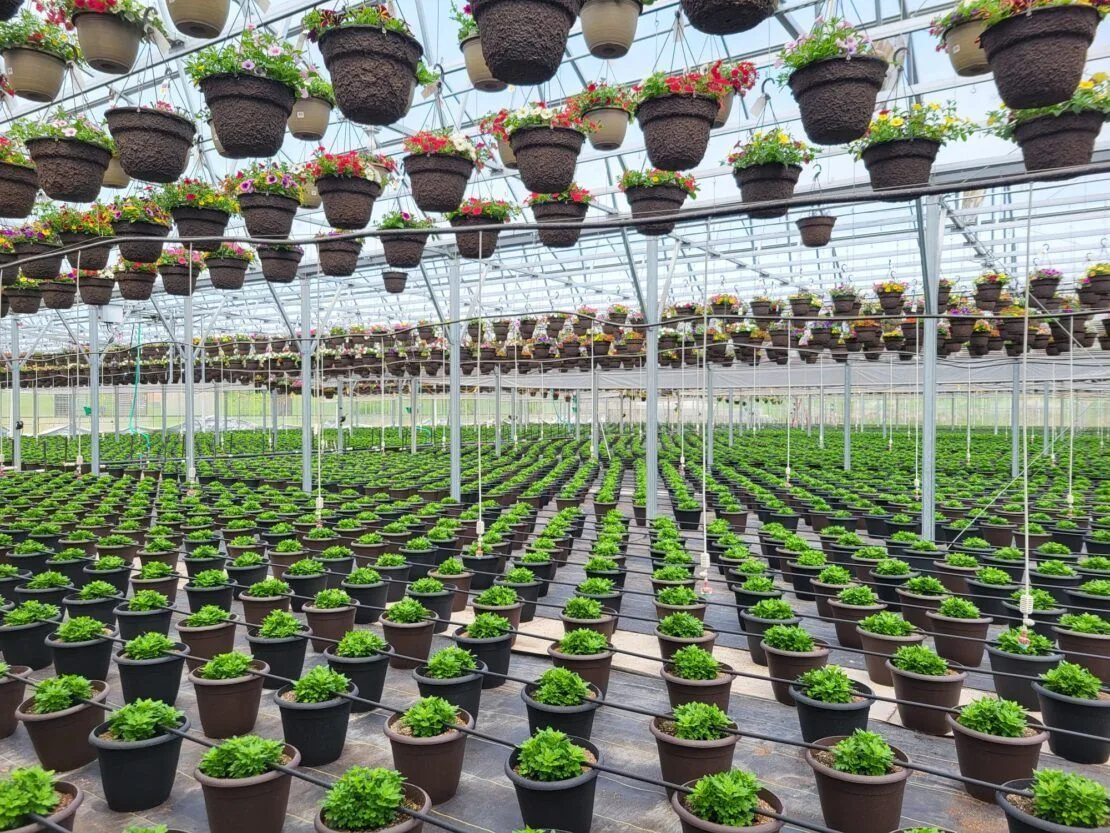
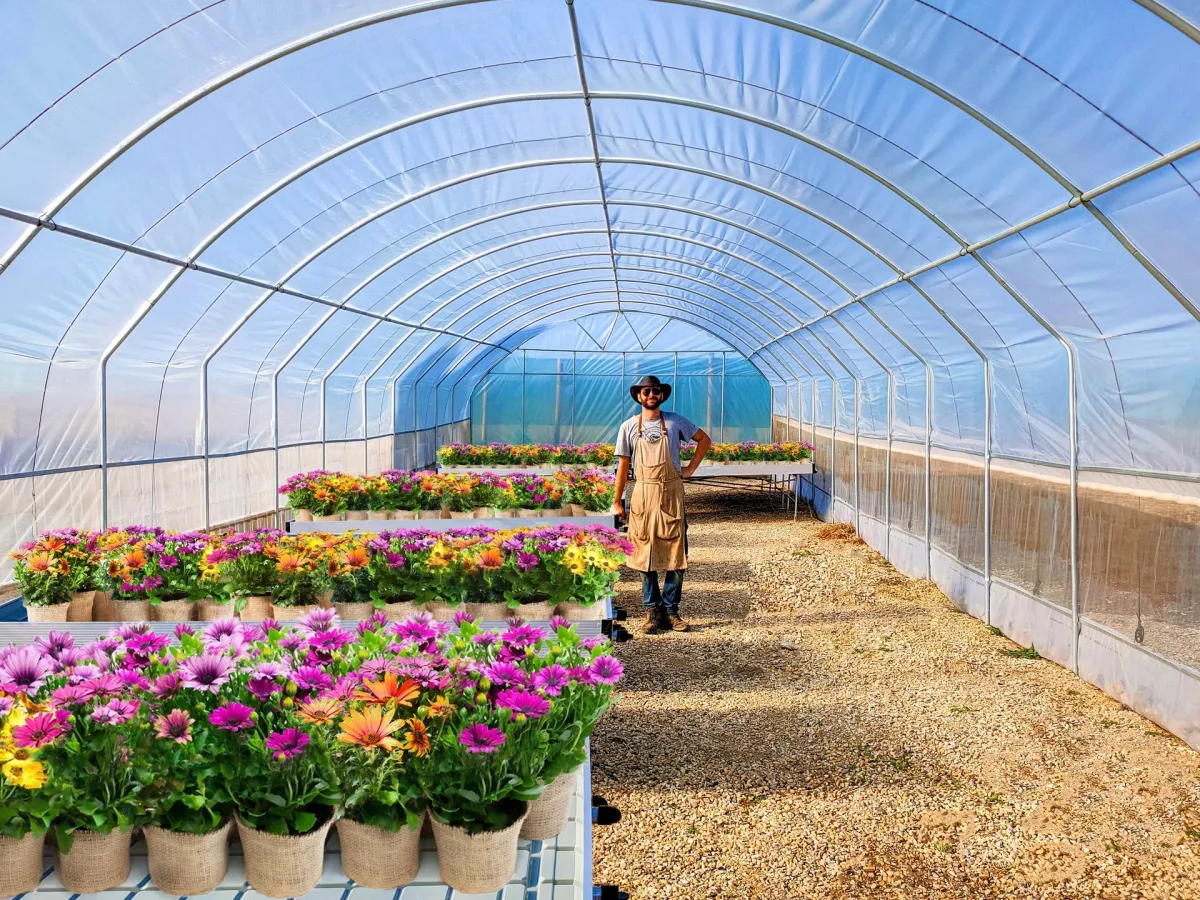
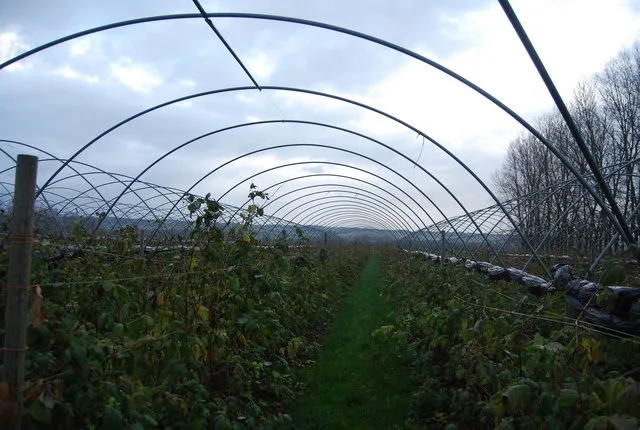
Carnation is one of the most in-demand ornamental crops, requiring strict adherence to agrotechnological regulations to produce high-quality cut flowers. Professional cultivation of this plant in protected ground involves serious risks: high sensitivity to fusarium and stem rots, as well as the threat of spreading viral infections transmitted through pests and planting material. For an agronomist, understanding the physiological needs of the crop, including light and temperature regimes, as well as skills in working with artificial substrates and plant health improvement methods, are mandatory conditions for maintaining high yield.
This collection gathers materials covering the full cycle of working with floral crops: from theoretical foundations of floriculture and propagation technologies by cuttings to highly specialized methods of plant protection. Readers will find here practical recommendations on agrochemical analysis of substrates, calculation of fertilizer application rates, and the introduction of biological preparations such as Trichoderma. Special attention is paid to phytosanitary control measures, personnel hygiene, and the prevention of epiphytotics. The presented articles will help to systematize the approach to carnation cultivation, optimize the microclimate in greenhouses, and effectively counteract pathogens at all stages of the plant's life cycle.