
Classification and characteristics of feed in modern livestock farming
16 min read
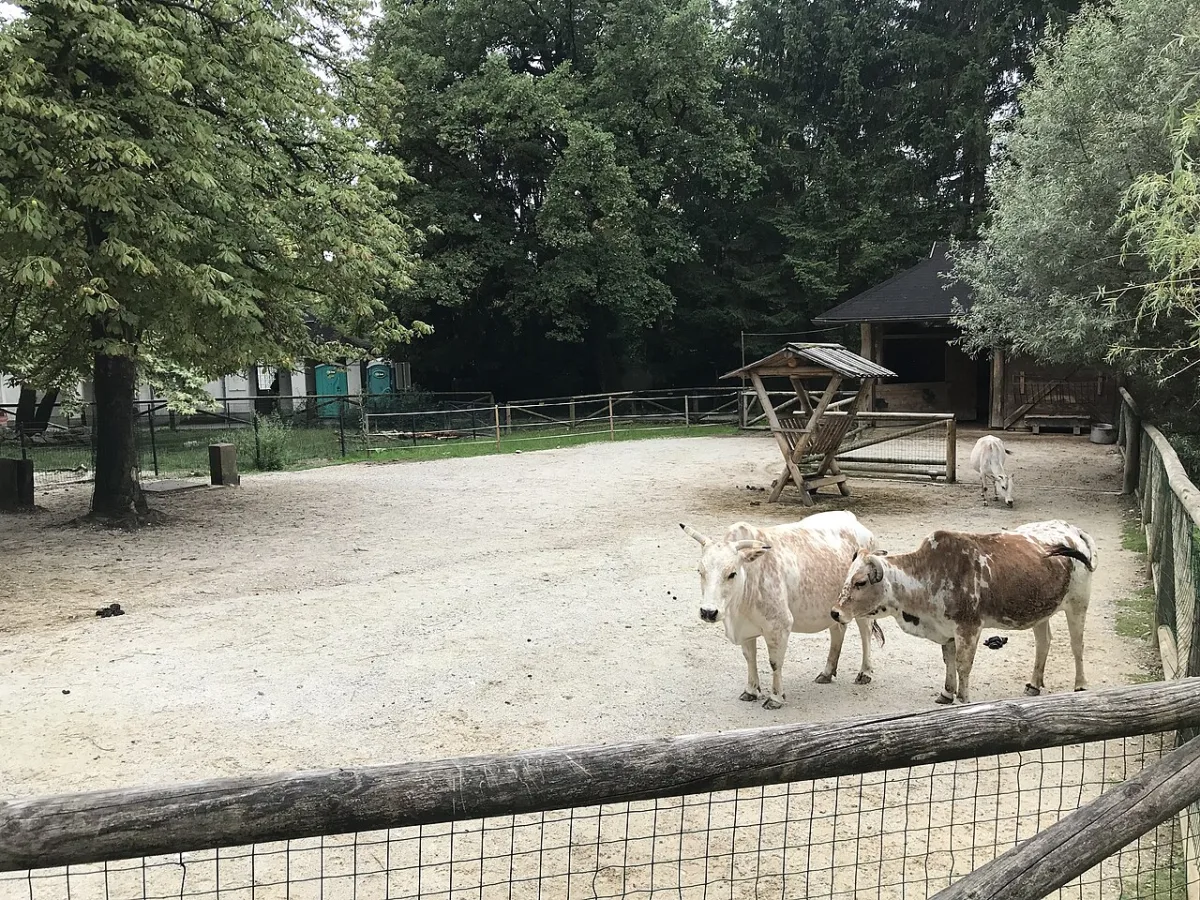
The main problem of livestock farming is the strengthening of the feed base.
Feed is specially prepared physiologically acceptable products for consumption by livestock animals, containing the necessary energy, nutrients, and biologically active substances in an edible, harmless, and accessible form.
Compound feed (CF) is a complex homogeneous mixture of various feed ingredients and micro-additives ground to the required size, produced according to scientifically based recipes and ensuring complete, balanced feeding of animals in accordance with standards.
Complete compound feed (PCF) is a feed mixture possessing all the qualities of a complete ration that ensures high productivity and product quality, good animal health, and low feed costs per unit of product; it must: meet the needs of animals of a specific species, age, and purpose; and not require additional processing. PCF is used most often in the feeding of pigs and poultry.
Compound feed concentrate (CFC) is intended as a supplement to roughage and succulent feed in the ration (mainly for ruminants) to compensate for a deficiency in energy, protein, amino acids, fat, minerals, and vitamins. The nutritional value of 1 kg of CFC is higher than that of 1 kg of PCF.
Balancing additives (BA), such as protein-vitamin-mineral supplements (PVMS), protein-vitamin-mineral concentrates (PVMC), mineral supplements (MS), etc., are homogeneous mixtures ground to the required particle size, consisting of high-protein, mineral, and biologically active substances produced according to scientifically based recipes. BA are intended for the preparation of compound feed on farms based on home-produced grain.
Premix (P) is a homogeneous mixture of micro-additives ground to the required size and a carrier, intended for the enrichment of CF, PVMS, PVMC, MS, and other BA. Carriers can be: wheat bran, finely ground wheat grain, feed yeast, and soybean meal. P are produced as one-percent mixtures for various animal species and are introduced into CF at a rate of 10 kg per 1 ton (1%) at compound feed plants.
Water is a major component of plants and the animal organism and serves as a medium where all chemical and physico-chemical reactions take place.
In various types of feed, the water content ranges from 5 to 95%. In artificially dried feeds – oil cakes, meal, beet pulp, grass meal (up to 10%), 12–14% is contained in grains, seeds, and flour feeds – 70–85%, in silage – 65–85%, in haylage – 45–60%, in root crops and tubers – 80–92%, in distillery grains, fresh beet pulp, and pulp residue – 90–95%. As the water content in feed increases, the dry matter content and its nutritional value decrease.
Table 1 – Chemical composition of dry matter of plant feed and animal bodies, % (according to A.P. Dmitrochenko)
Feed Animals Indicators Green Grain Hay
Water 77.8 13.0 14.3 54.0 58.0 56.0
22.2 87.0 85.7 46.0 42.0 44.0 Matter
Protein 16.6 10.1 11.3 32.6 35.7 47.7
Fat 4.4 4.5 2.9 55.2 55.2 40.9
Fiber 22.5 2.2 30.7 – – –
Nitrogen-free extractives 47.9 81.6 47.9 2.2 2.5 1.6
Ash 8.6 1.6 7.2 10.0 6.6 9.8
The water content in the animal body depends on age and accounts for 80% in young stock, and up to 50% in adult animals. Animals are very sensitive to a lack of water and, depending on species and physiological characteristics, consume the following amount of water per 1 kg of dry feed matter: pigs – 7–8 kg, cattle cattle – 4–7 kg, horses, sheep, and goats – 2–3 kg, and chickens – 1–1.5 kg. Water consumption standards in livestock farming include the animals' need for drinking and for use during care or in technological processes.
Table 2 – Water requirement standards per animal per day, L/day Bulls and heifers 60 40–55 Young stock: up to 6 months 20 10–18 over 6 months 30 25–28 Pigs: boars – sires 20 10 pregnant and open sows 15 12 lactating sows with offspring 60 20 weaners 5 2 replacement young stock 15 6 young stock for fattening 15 6 Sheep:
lambs raised artificially 3 2 young stock older than 1.5 years 45 35
Animals: rabbits, mink, sable, 3 3 foxes, arctic foxes 7 7 Animals on pasture: In summer: cattle cattle 30 60 sheep and goats 2.5 6.0 camels 60 80 In winter: cattle 25 35
The water requirement of cattle depends on age, physiological state, productivity, and water temperature.
Table 3 – Water requirement for dairy cattle, L/day
4ºC and below 16ºC 27ºC Heifers 91 8.8 11 14.5 181 16.3 20.3 26.9 363 27.8 34.8 46.7 544 38.3 47.6 63.9 Dry cows 635 42.7 52.9 71.4 726 45.8 56.4 76.2 Lactating cows 635 9 52.9 63.9 78.9
27 96.9 115 135.2
36 118.9 140.5 170.5
45 141 166.1 201.3
Water quality is of great importance for maintaining the vitality, health, and high productivity of dairy cattle.
Table 4 – Water quality standards for dairy cattle Standard pH 6.0–8.0 Decrease in water consumption
Over 3000 mg may cause Dissolved substances temporary diarrhea. High levels Soluble salts 0–1000 mg cause water refusal Salinity (mineralization) and prolonged diarrhea Hardness 0–120 mg Generally no problems. Content: Reduced consumption due to
0–3000 mg Iron unpleasant taste Nitrate nitrogen 0–100 mg Reproductive disorders Total bacteria 0–1000/ml
The main source of energy in feed is Carbohydrates. There are three main types of carbohydrates.
Simple sugars are found in cells and act as structural elements of complex carbohydrates. They are easily soluble in water and give feed a sweet taste.
Starch is represented by granules and consists of many types of glucose; the shape and size of starch granules differ among various plants: corn, cereal crops, some root crops, and potatoes. Starch granules are insoluble in water and have no taste.
Figure 1 – Starch granules of various types (300x magnification): a) potato; b) corn grain, c) oat, d) wheat
Cellulose and hemicellulose are sugars bound by lignin that provide plants with strength and structure. The digestive system of simple-stomached (monogastric) livestock animals lacks the enzymes to release glucose from cellulose and hemicellulose. Only the microbiological environment of the ruminant stomach contains enzymes capable of releasing glucose from the cellulose and hemicellulose found in plant cell walls.
Fiber characteristics and determination methods
Plant cell walls contain lignin, which is virtually indigestible in the stomach. In older plants, lignin molecules grow and envelop the carbohydrates. As a result, cellulose and hemicellulose become less digestible.
Cellulose, hemicellulose, and lignin in feed are usually classified as "neutral detergent fiber," as they can be measured in a laboratory setting after boiling a sample in a detergent solution.
Key fiber quality indicators:
- Acid Detergent Fiber (ADF) – consists of cellulose and lignin. It is determined chemically by mixing feed with acid and heating. As ADF increases in feed, its energy value decreases.
- Neutral Detergent Fiber (NDF) – consists of ADF (cellulose and lignin) and hemicellulose. This cell wall component shows the content of pure fiber in the feed.
There are different approaches to NDF analysis:
- Chemical NDF — the amount of NDF determined by mixing feed with alkali and heating it.
- Effective NDF — an indicator reflecting the physical form or particle size of feed in the rumen, which promotes rumination and normal rumen motility.
There is another type of fiber — crude fiber, which is accounted for when determining the fiber content in feed by boiling the feed in diluted acid and alkali solutions, which allows for the isolation of lignin and cellulose.
The role of microflora in rumen digestion
Fiber digestion occurs with the help of the rumen microflora of ruminants. Bacteria reach a maximum concentration of 108 – 1011 per day per 1 g of rumen contents.
Bacteria are represented by various groups, each of which digests specific feed nutrients: cellulose, hemicellulose, starch, sugar, pectin, proteins, and lipids.
Protozoa are present in the amount of 1010 per 1 g of rumen contents. Bacteria also serve as a protein source for them; some protozoa react instantly to rapidly soluble sugars, others to starch. The protozoan is a stabilizing element of rumen fermentation and the formation of its end products.
Fungi are a group of microorganisms involved in fiber digestion processes; they can proliferate when there is a large amount of fiber and account for 8% of rumen microorganisms. It is important that bacteria, protozoa, and fungi digest fiber into energy metabolites — nutrients for the cow.
Rumen contents in ruminants are divided into 3 fractions:
- Gaseous — located in the upper part of the rumen.
- Solid fraction — located in the middle part of the rumen and floating in the lower liquid fraction.
- Soluble carbohydrates and proteins, swollen cells, and feed — located in the lower liquid part of the rumen.
In terms of vital activity, microorganisms are distributed by type of environment:
| Type of environment | Localization of microorganisms | Percentage |
| Liquid environment | Digest soluble carbohydrates and proteins | 25 % |
| Solid environment | Surface of feed particles (insoluble carbohydrates) | 70 % |
| Surface | Surface of rumen papillae and protozoa | 5 % |
During the fermentation process in the rumen, volatile fatty acids (VFAs) are formed.
The products of rumen microflora vital activity are presented in Table 6.
Protein and nitrogen metabolism are of great importance in cow feeding.
A cow's protein requirement is met by microbial amino acids involved in digestion and by feed proteins that do not degrade in the rumen. 60–70% of protein is broken down by microorganisms into peptides, amino acids, and ammonia, which are used by microbes as a nitrogen source to form microbial protein. The remaining unconverted ammonia in the rumen is absorbed through the rumen walls into the blood, converted into urea, and enters the saliva, urine, and milk.
Table 5 – VFA formation in the rumen during microbial digestion
Type of carbohydrate breakdown digestion carbohydrate VFAs
Sugars Very fast 100 Propionate Simple
Cellulose Slowly 30–50 Complex butyrate
Class Substrate in VFA pH colony micro-
Acetate, hemicellulose-digesting Ammonia 6.0–6.8 8–10
Starch, Propionate, amino-acid-degrading 5.5–6.0 0.5 sugar lactate starch and sugar
Starch, Amino- Protozoa 6.2–7.0 15–24
Partially fermented plant tissues are shown in Figure 2. The arrow points to the rigid plant cell walls consisting of cellulose, hemicellulose, and lignin. The empty spaces between the plant cell walls are filled with soluble and easily fermentable nutrient cells: protein, simple sugars, and possibly starch granules.
Figure 2 – (magnified 230 times)
The availability of various carbohydrates for digestion by different livestock animal species has been determined.
Table 7 – Availability of structural and non-structural carbohydrates for animals with a simple stomach and ruminants Non-fibrous:
Plants contain negligible amounts of lipids. However, seeds of sunflower, soybean, accumulate up to 20 percent of their dry mass as lipids. They contain 2.25 times more energy than carbohydrates.
Triglycerides are the most common form of lipids in nature, consisting of three fatty acids linked together by a glycerol molecule. The body is unable to synthesize unsaturated fatty acids at room temperature. They are in a liquid state and are called oils. Lipids made from saturated fatty acids are in a solid state at room temperature and are called fats.
Adding lipids is beneficial for reducing dustiness in feed and increasing the energy concentration in the feed mixture. Excess fat (more than 8% in the dry matter of the diet) can reduce feed intake, decrease the fat and protein content in milk, and also cause diarrhea. Free fat in the stomach negatively affects fiber digestion.
Proteins consist of one or several chains of amino acids tightly linked together. Protein, on average, consists of 16% nitrogen. The rest is a "carbon backbone" (molecules of carbon, hydrogen, and oxygen), which contain energy similar to lipids and carbohydrates. The amount of energy in 1 g of protein is equal to 5.1 kcal/g, burning the carbon backbone yields only 4.1 kcal/g. 1 kcal is spent on the excretion of nitrogen in urine.
There are 20 amino acids of different structures consisting of carbon (C), oxygen (O2), and an amino group (NH4). Two amino acids contain sulfur (S). If the amino acid chains are short (less than 100), the substances are called peptides. All necessary amino acids can be produced by plants from inorganic soil nitrogen – nitrates. In the animal body, 50% of the required amino acids can be synthesized; the rest must be supplied via feed.
In laboratories, the amount of nitrogen and then the amount of protein in feed is calculated as the percentage of nitrogen content multiplied by 6.25 (100/16), which is an indicator of crude protein.
A small part of the protein in a plant is found in the cell walls, but the bulk of it is in a dissolved state inside the plant cell (e.g., chlorophyll). The proteins contained in cereals are usually less soluble and more resistant to microbiological degradation inside the rumen than the proteins found in roughage. Some roughage contains a substance called tannin, which binds to protein and prevents its gastric breakdown.
The importance of feed is great: it is part of enzymes, hormones, and antibodies that control and regulate chemical reactions in the body, and is the main component of muscle tissues. Fibrous proteins play a protective role; they are building materials for keratinized tissue (hair and hooves). Some proteins are part of milk and meat).
A lot of nitrogen is contained in urea and ammonium salts, but they do not contain amino acids. They have no nutritional value for animals with a simple stomach. In ruminants, rumen microbes convert non-protein nitrogen into amino acids.
Vitamins are organic compounds that are necessary for the body in small amounts to maintain normal life functions. Together with enzymes, vitamins participate in many chemical reactions.
Vitamins are divided into 2 groups: 1) water-soluble C and nine B-group vitamins; 2) fat-soluble vitamins A, D, E, and K. Fat-soluble vitamins are found in the lipid-containing parts of feed. In the animal body, vitamin A can be stored in the liver in amounts sufficient for 6 months. Water-soluble vitamins are unable to accumulate and require constant replenishment from feed.
The importance and sources of fat-soluble vitamins are presented in Table 8.
M i n e r a l s are inorganic elements contained in inorganic salts or organic compounds. The animal's requirement for macroelements is from 0.2 to 1.0% of the dry mass of the diet, and from 0.001 to 0.05% (10 to 500 parts per million).
Some mineral substances are able to accumulate in the body: iron in the liver, calcium – in the bones. Mineral substances that dissolve in water (sodium, potassium) cannot accumulate in the body and must be constantly replenished.
Table 8 – Fat-soluble vitamins for dairy livestock
Normal vision, mastitis, weak calves, responsible for the state reproductive problems (Vitamin Beta carotene, epithelium, warning, e.g., stillbirth, silent A (beta synthetic vitamin A system, reproduction estrus, delayed placenta, blind and uncoordinated
Normalizes growth and milk fever, ketosis, bone development, hypocalcemia, swelling Vitamin D make milk vit.
metabolism of calcium and joints, dragging of hind legs
White muscle disease, Vitamin E Serves as an antioxiSynthetic mastitis, sour milk taste, (toco- dant, linked with selenium, damage to heart pherol) personal crops
Normalizes vitamin K, Vitamin K with sweet clover disease,
The total amount of mineral substances is not as important as their availability to the body. The availability of mineral substances depends on the following factors: 1) Animal species. 2) Age and sex. 3) Animal health. 4) Balance of other nutrients in the ration; for example, a lack of vitamin D reduces the absorption of calcium.
5) Chemical form of the element; iron in the Fe2 form is well absorbed by the body, but in the Fe3 form, it is not. 6) Content and form of other elements. A high content of sulfur and zinc reduces the availability of copper. 7) Feed processing. 8) Presence of binding components. Phytic acid, which is abundant in wheat, binds with phosphorus and makes it unavailable to monogastric animals.
General functions of mineral substances in an animal's body: 1) Provide structure and strength to the skeleton (Ca, P, Mg). 2) Act as a constituent part of organic compounds (S in proteins, Co in vitamin B5, Fe in red blood cells). 3) Increase the activity of the body's enzyme system (P) 4) Necessary for hormone synthesis (I2). 5) Control water balance in the body (K). 6) Determine the amount of positively and negatively charged compounds and regulate the environment balance in the body (K), transfer of nerve impulses (Na, Ca) 7) Cause muscle contraction.
Table 9 – Macroelements in dairy livestock rations Mineral Connection Sources
1 2 3 4 5 Calcium Formation of Rickets, slow Phosphor, Limestone, (Ca) bones and teeth, bone fusion, magnesium calcium chloride phosphate Phosphorus (P) Formation of Rickets, delayed Calcium, iron, Dicalcium and bones and teeth, growth, poor realuminum, monocalcium energy metabolism, production, de- magnesium phosphate, part of DNA praved appetite, bone meal, phos-
1 2 3 4 5 Soda Acid balance, Abnormal behavior Potassium, chlorine, Salt 2CO3) contraction, blood when feeding, sulfates sodium, bicarbon- pH, low productivity
Chlorine (Cl) Regulates osmo- Loss of appetite, Soda, potassium Salt sis and acid-base, alkaline indi- lye Potassium (K) Osmotic pressure, Fading of hair Soda, chlorine, K acid-base balance, coat, reduction in bicarbonate, nerve transmission intake sulfate, K-Mg Magnesium (Mg) Enzyme activator, Increased muscle ex- Calcium, Magnesium carbon- bones, tetany citability phosphorus, ate Sulfur (S) Sulfur-containing Reduced microbial S, molybdenum, Ammonium amino acids, growth, weak nitrogen sulfate, K sulfate
Table 10 – Microelements in dairy cow rations
1 2 3 4 5 Cobalt (Co) Synthesis of vitamin B12 Poor appetite, No (vita- Minerali-
1 2 3 4 5 Copper (Cu) Activation of plant Rough hair coat, Sulfates, MN salts, enzymes, blood synthesis, color change of molybdenum, carbonate Cu, iron coat, mastitis sulfate Cu, iodine (I2) Thyroxine synthesis Overdeveloped stomach No Potassium iodide Iron (Fe) Part of hemoglobin Anemia Copper MN salts, system Manganese Growth, bone forma- Weakening of growth, Calcium, MN salts, (Mn) tion, enzyme activa- poor reproduction, zinc, iron, carbonate tion (plant type skeleton, phosphorus Mn, sulfate Selenium (Se) Enzyme formation, Reproductive Calcium, Selenite protects membranes, disorders, sulfur, selenate muscle Zinc (Zn) Enzyme activation, Parakeratosis of skin, Iron, MN salts, restoration of dam- increased number copper, manganese aged tissue, sulfate of zinc, carbonate
Figure 3 – In case of copper deficiency: Figure 4 – In case of iodine deficiency: disappearance of pigmentation (indicated by arrow) the thyroid gland enlarges of hair around the eyes, animals lick (indicated by arrow) and surrounding objects
Figure 5 – In case of manganese deficiency: Figure 6 – In case of zinc deficiency a typical symptom is the loss of hair falls out and skin lesions are observed angularity of hind legs
In general, feed can be divided into the following groups:
According to the Russian system, feed is classified into groups presented in Table 11.
According to the American system, feed is divided into:
Hay (legume, grass, grass-legume), straw and others with a high fiber content (hulls, husks).
3) Silage, haylage: corn, legume, grass.
4) Energy feeds: grain crops, flour milling by-products (waste), fruits, nuts, root crops.
5) Protein supplements: plant-based, poultry processing by-products, as well as those from the meat and fish industries.
8) Non-nutritive additives: flavoring and medicinal ones.
Table 11 – Classification of feed and additives
Read next
Livestock For students
Methodology for compiling and analyzing diets for livestock animals
Poultry For agronomists
Organization of poultry feeding in industrial and farm holdings
Livestock For students