
Classification of cultivated, wild, and weed plants in agronomy
5 min read
When speaking about cultivated, wild, or weed plants, one should distinguish the meaning of these terms.
Cultivated plants are those grown to satisfy various human needs (food products, feed for livestock, industrial raw materials, ornamental forms, etc.).
Unlike cultivated plants, wild plants have traits and properties that are beneficial to the plants themselves in terms of adaptability and better survival in natural growing conditions. Wild vegetation possesses a pronounced property of intraspecific self-thinning — this regulates the stand density of wild plants and creates better conditions for their development and reproduction.
Weed plants have adapted to growing among cultivated crops (they possess such properties as earlier seed maturation than the crops they infest, easy seed shedding, uneven germination, reproduction not only by seed but also by vegetative parts, rhizomes, suckers, rapid root growth, deep penetration into subsoil horizons, etc.). The relationships between cultivated plants and weeds are based on constant competition for space, moisture, nutrients, and light. Weed control requires methods based on the biology of each species of weed plants.
Often, crops are infested not only by wild plants but also by other cultivated plants, which reduce the quantity and quality of the main crop's harvest. Such contaminants can be, for example, barley in wheat fields, rye in winter wheat, and when growing varietal seeds — plants of the same crop but a different cultivar.
The centuries-old process of using, domesticating, and selecting plants has followed four main directions: for food use; for medicinal needs; for technical needs; and to satisfy human aesthetic needs.
The history of human culture was built both on the heredity of plant organisms and on the peculiarities of the environment where cultivated plants exist. Humans have managed to influence nature: they have not only adapted various species of plants and animals (even exotic ones) but have also changed the appearance of landscapes, the soil, and the climate of their habitat, as well as the hereditary nature of the plants and animals themselves to such an extent that the results of this activity could only disappear along with the total decay of the globe.
The introduction of non-native flora into cultivation, which began in ancient times and has been occurring especially actively since the Age of Discovery, is complemented by scientifically grounded acclimatization and introduction, interspecific and intergeneric hybridization, biotechnological techniques (using cell, tissue, and organ culture), as well as genetically engineered modifications.
Every plant continues to possess general and specific requirements for life conditions and the ability to react to changes in these conditions. The qualitative uniqueness of various plants is expressed in the character of their metabolism, which was determined during phylogeny (or genetic modification) and manifests itself during the process of individual development (ontogenesis).
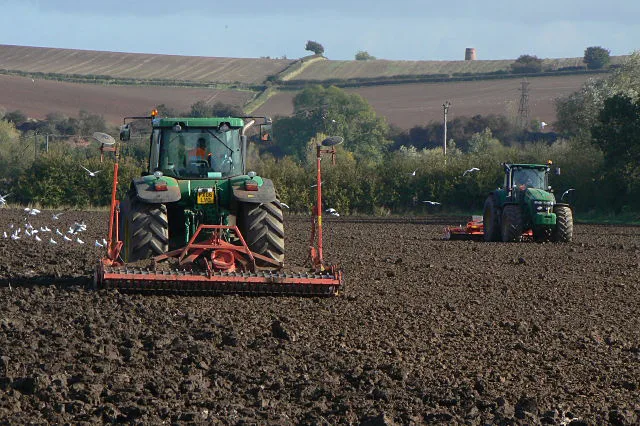
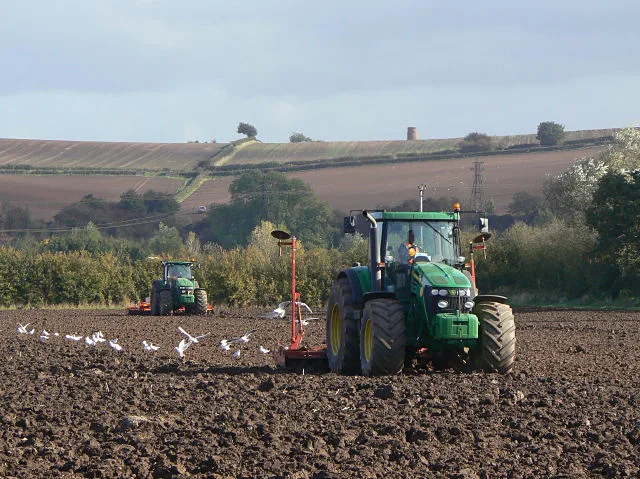
In most cases, the soil-climatic environment remains the life condition for plants, even when significantly altered by humans. People apply specific techniques, thereby creating nearly optimal conditions for the growth, development, and yield of these crops:
- tillage;
- fertilizer application;
- sowing;
- crop care.
In turn, cultivated plants exhibit their valuable properties only under conditions that promote the development of these qualities. Deprived of these conditions, under poor agricultural practices, plants reduce yield and product quality, turn wild, or even perish. By managing nature and plant requirements, and using modern breeding and more advanced agricultural techniques, humans do not simply change plants, but utilize their natural potential and increase (maximize) their productivity.
Scientific agricultural practice is based on the ability of plants to react to changes in their life conditions. The task of science is to find and create conditions for the best development of the cultivated plants. The highest efficiency is possessed by the agricultural practice that is directed toward fully satisfying the requirements of plants at various stages of their ontogenesis. With high standards of farming, the physiological functions of plants change quite significantly:
| Indicator | Physiological function |
| 30 cultivated plants | root absorption capacity, carbon dioxide assimilation, photosynthesis intensity, etc. |
The application of individual, scattered agricultural techniques (even if correct and useful) can never yield results as effectively as a comprehensive approach. A system of correct cultivation techniques for agricultural crops, applied in accordance with local conditions, in a timely manner, in a specific sequence, and in mutual connection, is called comprehensive agricultural practice.
Of the many thousands of plant species existing on Earth, fewer than a hundred have become widely grown as field crops. Moreover, since there has been intense introduction of cultivated and wild-growing plants over thousands of years (in connection with military campaigns, conquests of countries, and long-distance trade expeditions), many cultivated plants have become cosmopolitans.
Knowing the pedigree of cultivated plants is not just theory; it is a practical tool for an agronomist. The origin of a species determines its basic requirements for moisture, heat, and light. By understanding the biological history of a crop, you can accurately predict the behavior of plants in the field or greenhouse when climate conditions or cultivation technology change.
Information about the origin of wild relatives helps solve key production tasks:
- introducing new promising crops into production;
- effectively carrying out hybridization and enriching the gene pool of cultivars with valuable genes from wild species and related genera;
- selecting optimal regions for cultivation with the best conditions for the acclimatization of new cultivars;
- targeted improvement of existing crops and the development of new highly productive cultivars.
The genetic memory of a wild ancestor is firmly fixed in the cultivar. Species originating from tropical and subtropical regions remain dependent on the conditions of their historical homeland throughout their entire life. This basic heredity must be taken into account when planning sowing dates, selecting predecessors, and managing the microclimate.
Photoperiodism: how the origin of a crop determines the light regime
The environmental conditions of the region of origin directly shape the genotype of a cultivated plant. In the process of evolution, plants have developed a specific response to the duration of lighting. Based on this trait, all agricultural crops are divided into two groups depending on their photoperiodism.
- Short-day photoperiodism crops — evolved in the tropics and subtropics, where the summer day length is close to that of the night.
- Long-day photoperiodism crops — originate from mid-latitudes, where the day length in summer significantly exceeds the length of the night.
The response to day length is the evolutionary foundation of a plant. Attempting to grow a crop in a light regime that is atypical for it often leads to the plant favoring vegetative growth to the detriment of fruiting.
Read next
Soil and tillage For students
Influence of soil structure and composition on capillary moisture transfer
Soil and tillage For students
Diagnosis of soil profile compaction types: plough pan and natural overcompaction
Soil and tillage For students