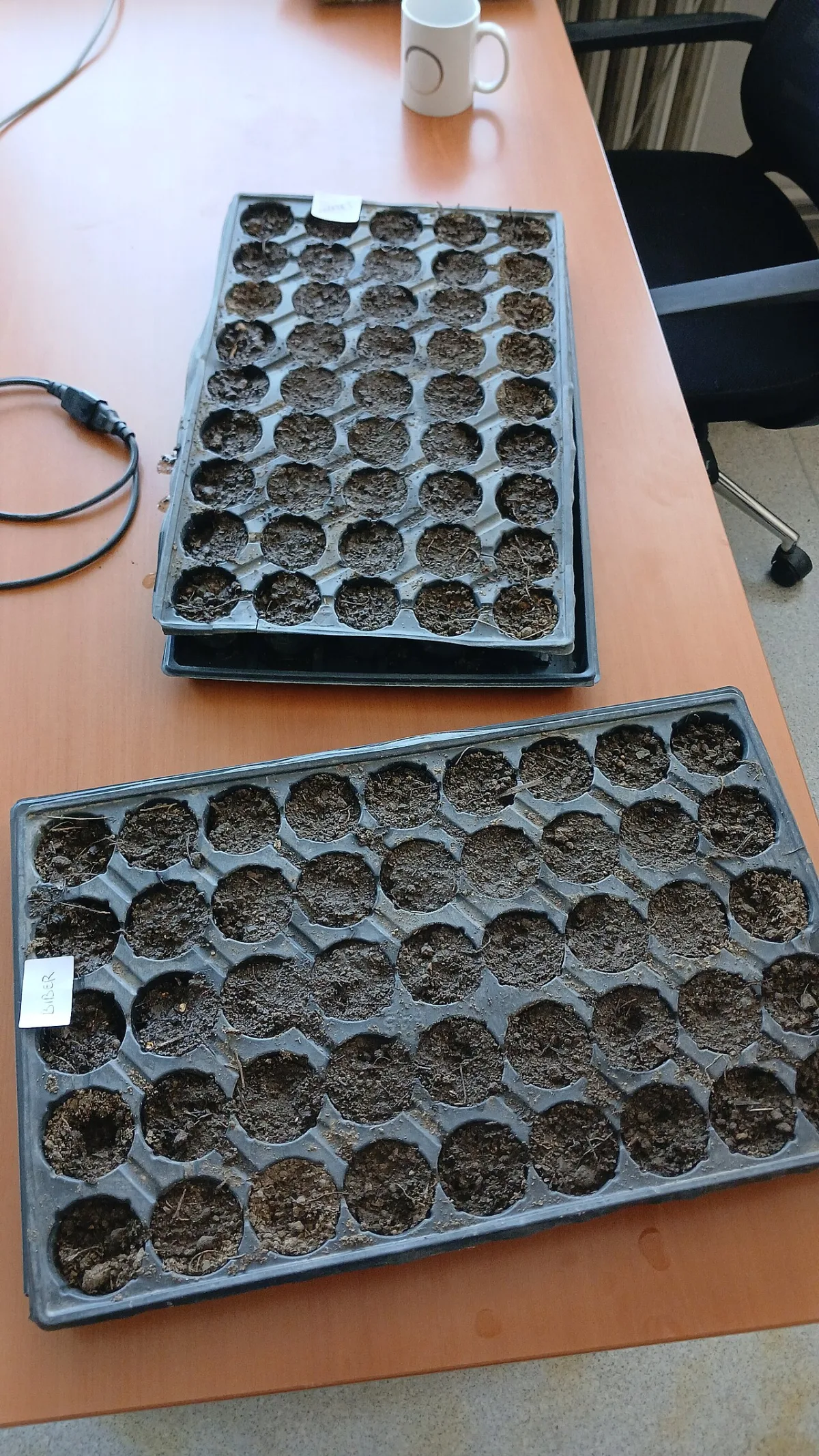
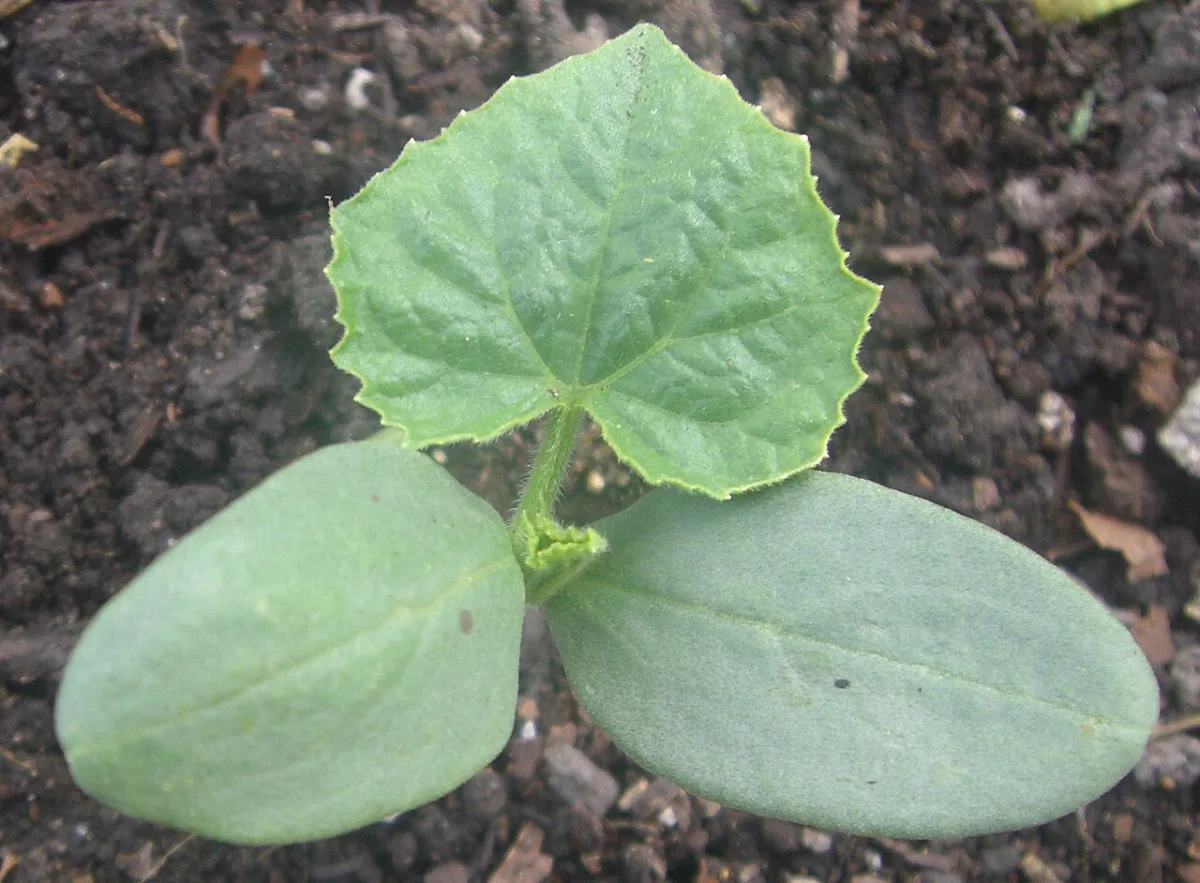
High-quality transplants are the foundation of tomato yield, determining plant development in protected soil. Agronomists and experienced gardeners know that success begins with competent preparation: selecting soil mixtures, adhering to sowing dates, and ensuring optimal temperature regimes in greenhouses and hotbeds. Attention to detail during the early stages of the growing season allows not only for increasing nursery plant survival rates but also for establishing a basis for their resistance to adverse environmental factors.
In this selection, we have compiled expert materials covering key aspects of growing tomato transplants. Readers will find practical recommendations on soil preparation, energy-saving sowing technologies, and agrotechnical care practices, including pruning. Special attention is paid to plant protection: methods for diagnosing and preventing root rot are presented, helping to timely identify and curb fungal pathogens. The selection also includes articles describing the specifics of obtaining transplants for other vegetable crops, such as white cabbage, cucumbers, and onions, which makes this section a comprehensive guide to working in protected soil conditions.