
Growing cucumber and various onion species transplants in hotbeds
3 min read
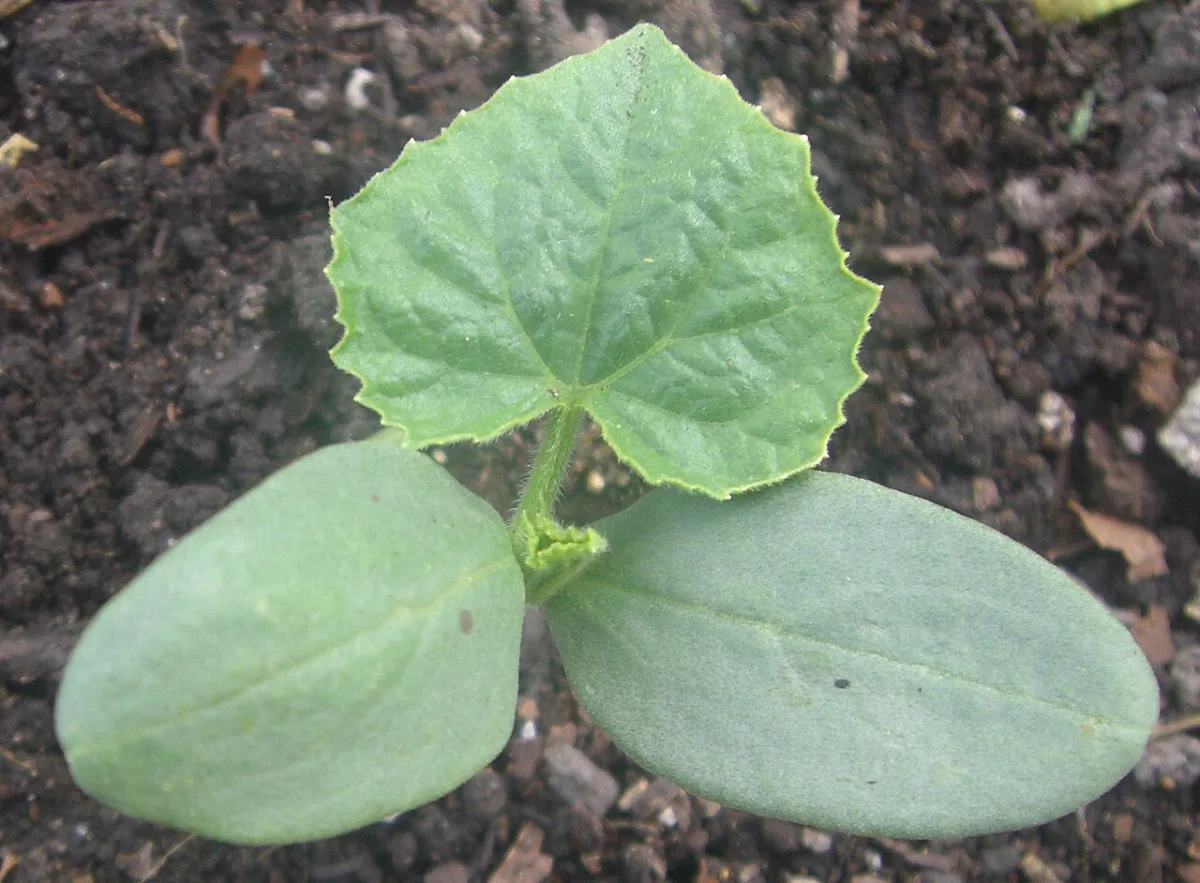
Cucumber crops in open soil are either sown directly with seed or planted as transplants. Planting cucumber transplants ensures a higher and earlier harvest.
Cucumber transplants are grown in medium hotbeds during the first or second frame rotation, in the period from May 5–20 to June 5–10. The best soil is a mixture of 3/4 turf and 1/4 humus. If this soil is in short supply, it can be replaced with peat soil.
Before sowing, cucumber seed is soaked for 24 hours, which ensures faster emergence. 8 g of seed are sown per frame, with a yield of 200–250 transplants.
Significantly better results are obtained when growing transplants in pots or in turf squares, just as with growing tomato transplants.
During seed germination, the temperature in the hotbeds is kept within 32°. With the appearance of seedlings, to prevent the plants from becoming leggy, the temperature is lowered to 17° for 2–3 days and the hotbeds are heavily ventilated. Subsequently, the temperature is maintained at 25–30° on a sunny day, 20–22° on a cloudy day, and 16–18° at night. The hotbeds are ventilated regularly.
If the soil is poor, fertilizer application by watering is used with the same mixtures as indicated for tomato transplants. At the stage of 1–2 true leaves, cucumber transplants are...
Leek transplants
50–60 days are required to grow leek transplants. Seed is sown in early hotbeds between March 15 and 26. Sowing is broadcast.
Leek seed emerges slowly, and it is better to sow them after soaking for 24 hours.
3–4 g of seed are sown per frame. No thinning is done. Yield per frame is up to 3000 plants. Care consists of maintaining the temperature at 12–15°, ventilating the hotbeds, and irrigation to a moderately moist state. Ready transplants should have a thickness of a goose quill and a dark green color.
Onion transplants
In recent years, the southern method of planting onion transplants using appropriate agricultural techniques in open soil has become common in the northern regions of our Union; with this method, the bulb is grown in the very first year of sowing.
The following onion cultivars succeed best in this case: Zittauer, Kaba, Johnson, Mstersky, Myachkovsky.
Soil is poured into hotbeds in a layer of 12–15 cm. The growth period of the transplants is 50–60 days. Sowing seed is performed in the middle of March in warm hotbeds. Sowing is broadcast; 15–20 g of seed are sown per frame. The seed is then covered with soil.
Until emergence, the temperature in the hotbeds is kept within 18–25°. After emergence, the temperature is lowered slightly and kept within 18°. Care consists of maintaining the soil in a moderately moist state, loosening, weeding, and ventilating the hotbeds. 8–10 days before planting, the transplants are hardened by opening the frames during the day. In the last days before planting, the frames are left open at night as well (in the absence of frost).
Pumpkin and zucchini transplants
The agricultural technique for growing transplants of these crops is basically the same as for cucumbers. Sowing is done with sprouted seed, preferably in peat or peat-manure pots or turf squares. 120–150 plants are left per frame.
Read next
Greenhouses and covers For gardeners
Specifics of growing transplants of celery, cauliflower, swede, and beet
Greenhouses and covers For gardeners
Technologies for growing high-quality vegetable seedlings in hotbeds
Greenhouses and covers For gardeners