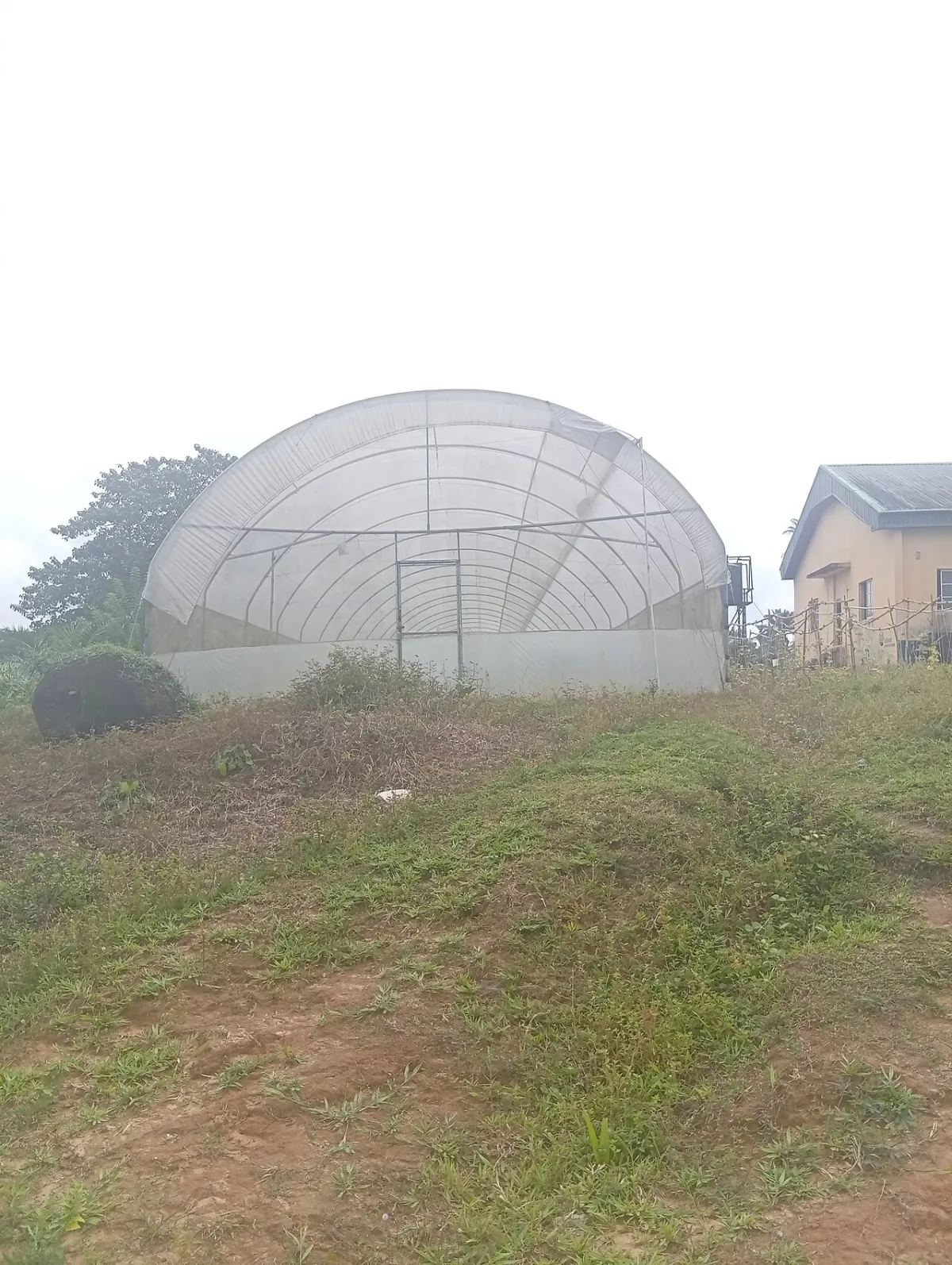
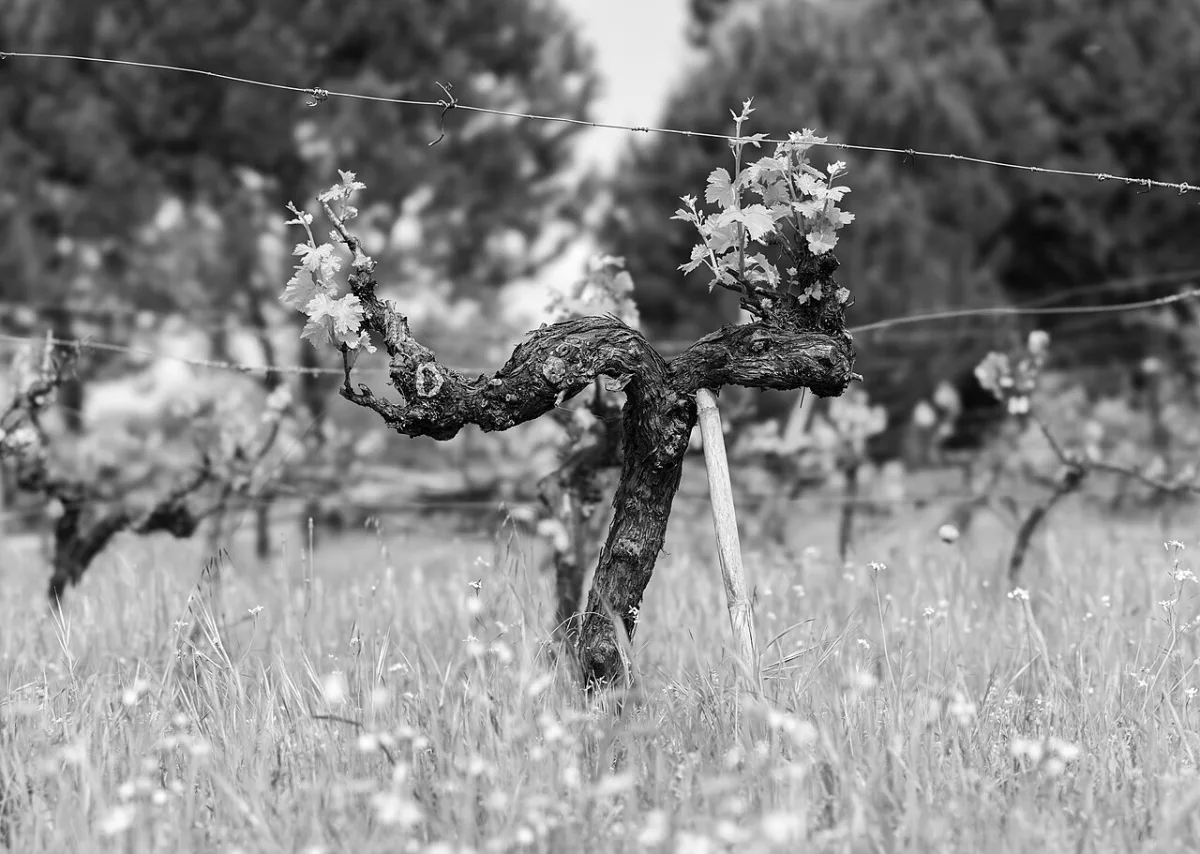
Soil analysis is the fundamental basis for efficient farming, allowing for an objective assessment of the growth medium's condition and the forecasting of crop yields. Understanding the chemical composition of the soil and the processes occurring within it is essential for both professional agronomists and private growers. Based on the classical scientific works of D. N. Pryanishnikov and K. K. Gedroyts, modern agrochemistry makes it possible to take a scientifically grounded approach to soil fertility issues, prevent the accumulation of harmful substances, and optimize plant nutrition systems in various conditions — from greenhouse complexes to vineyards.
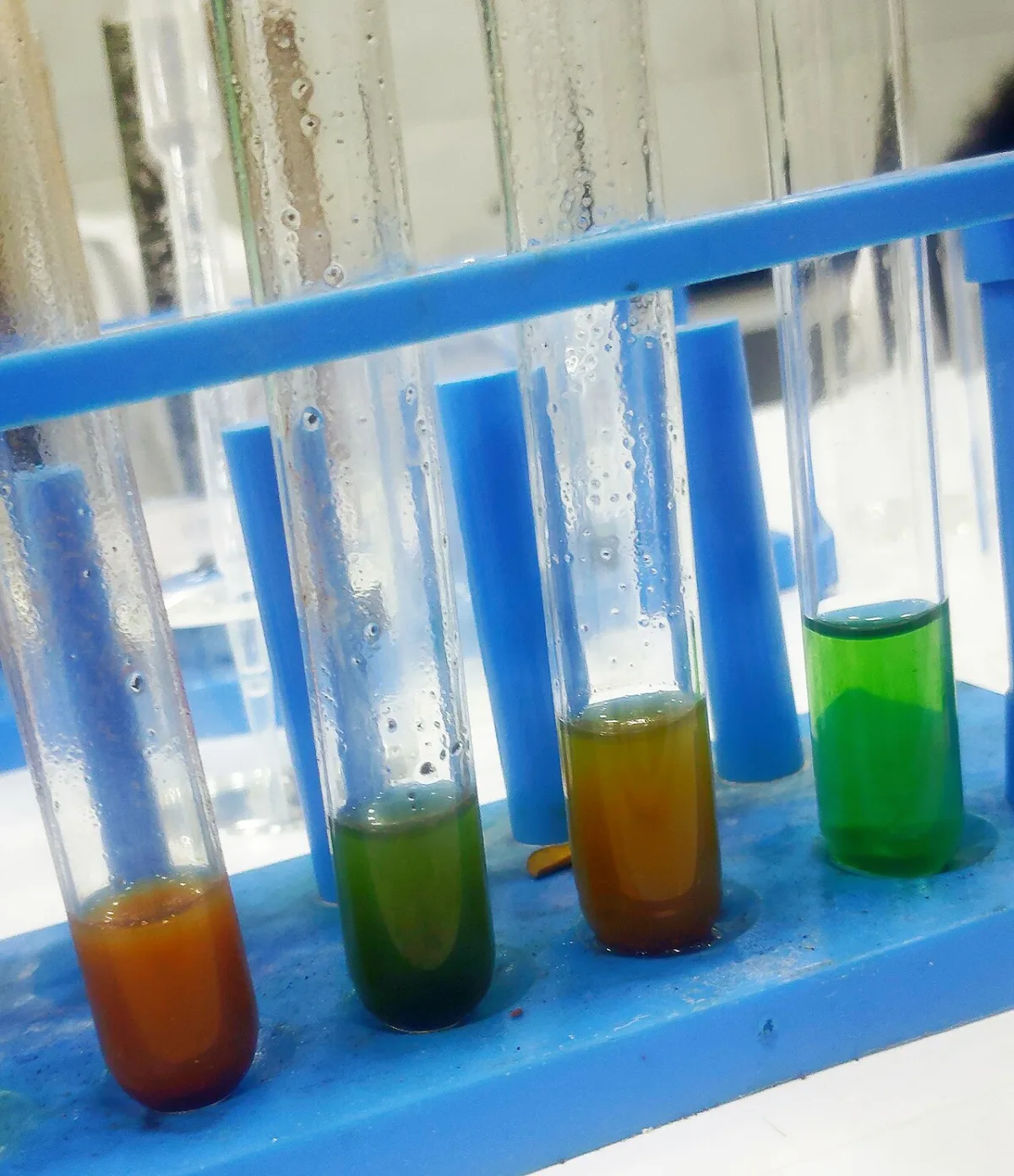
The presented selection brings together a wide range of materials: from field experiment methodology to highly specialized laboratory techniques. Readers will find information on the principles of preparing soil samples for pesticide residue analysis, methods for diagnosing mineral nutrition in grapes, and techniques for creating optimal mixtures for protected soil. Also examined here are the technological aspects of seed treatment, which complement a comprehensive approach to managing soil fertility. These articles will help to systematize knowledge about soil diagnostics and implement precise assessment methods in everyday agronomic practice.